Originally published in 1992 Medical Journals and Medical Knowledge examines both broad developments in print and media and the practice of particular journals such as the British Medical Journal.
This volume brings together for the first time an updated collection of articles exploring poverty, poor relief, illness, and health care as they intersected in Western Europe, the Mediterranean and the Middle East, during a 'long' Middle Ages.
This volume brings together for the first time an updated collection of articles exploring poverty, poor relief, illness, and health care as they intersected in Western Europe, the Mediterranean and the Middle East, during a 'long' Middle Ages.
Originally published in 1931, this book explores the history of health and social evolution in the UK, including chapters on how England learned to control disease, the contribution of the eighteenth century, and the coming of democracy.
Very few people have not at some point in their lives believed themselves or their loved ones to be reasonably healthy when, in "e;reality"e;, sickness was encroaching or never went away.
Originally published in 1931, this book explores the history of health and social evolution in the UK, including chapters on how England learned to control disease, the contribution of the eighteenth century, and the coming of democracy.
Very few people have not at some point in their lives believed themselves or their loved ones to be reasonably healthy when, in "e;reality"e;, sickness was encroaching or never went away.
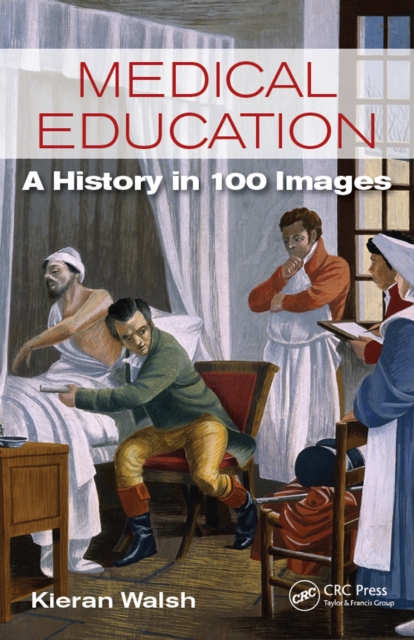
This fascinating guide to medical education introduces the reader to the historical development of this important subject through 100 powerful images from the prestigious Wellcome Library Collection that highlight key figures in the field and innovations that have taken place, not just in the recent past but over the centuries.
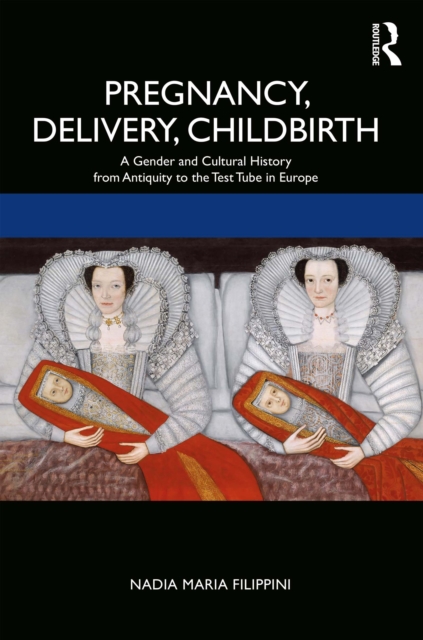
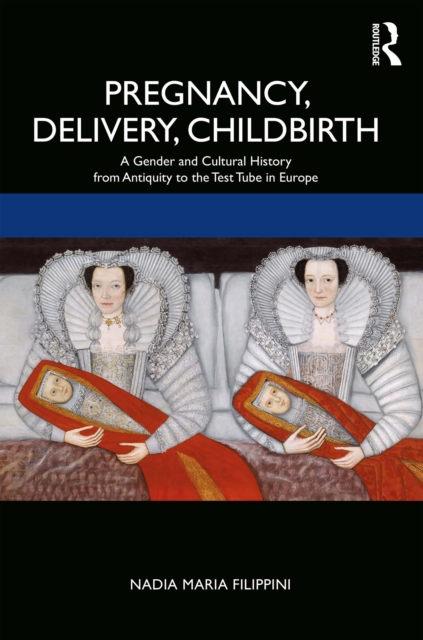
This book reconstructs the history of conception, pregnancy and childbirth in Europe from antiquity to the 20th century, focusing on its most significant turning points: the emergence of a medical-scientific approach to delivery in Ancient Greece, the impact of Christianity, the establishment of the man-midwife in the 18th century, the medicalisation of childbirth, the emergence of a new representation of the foetus as "e;unborn citizen"e;, and, finally, the revolution of reproductive technologies.
This book examines how sleep and dreams were approached in early Greek thought, highlighting the theories of the Presocratic and Hippocratic writers on both phenomena as more varied, complex, and substantial than is usually credited.
This book examines how sleep and dreams were approached in early Greek thought, highlighting the theories of the Presocratic and Hippocratic writers on both phenomena as more varied, complex, and substantial than is usually credited.
This book reconstructs the history of conception, pregnancy and childbirth in Europe from antiquity to the 20th century, focusing on its most significant turning points: the emergence of a medical-scientific approach to delivery in Ancient Greece, the impact of Christianity, the establishment of the man-midwife in the 18th century, the medicalisation of childbirth, the emergence of a new representation of the foetus as "e;unborn citizen"e;, and, finally, the revolution of reproductive technologies.
Now in its fourth edition, Fraud and Misconduct in Biomedical Research boasts an impressive list of contributors from around the globe and introduces a new focus for the book, transforming it from a series of monographs into a publication that will quickly become an essential textbook on all areas of research fraud and misconduct.
Published in 1998, covering the period from the triumphant economic revival of Europe after the collapse of the Western Roman Empire, this book offers an examination of the state of contemporary medicine and the subsequent transplantation of European medicine worldwide.
Published in 1998, covering the period from the triumphant economic revival of Europe after the collapse of the Western Roman Empire, this book offers an examination of the state of contemporary medicine and the subsequent transplantation of European medicine worldwide.
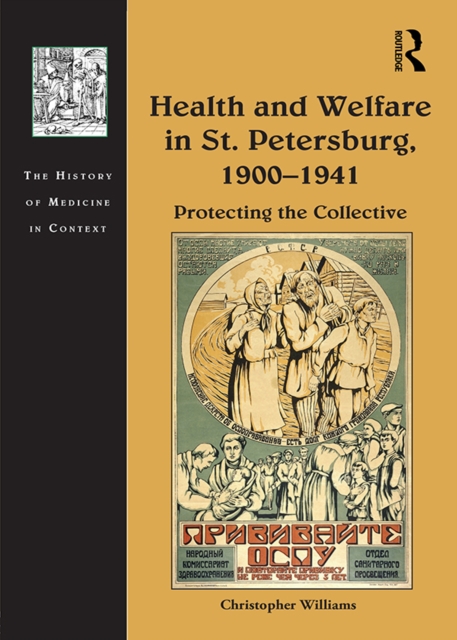
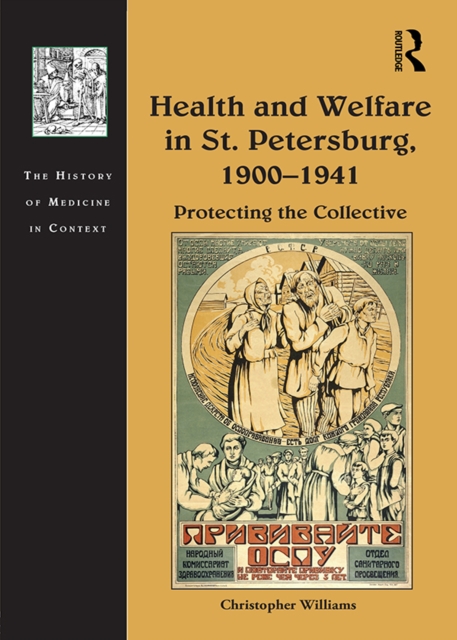
In the first book to chart late Imperial and Soviet health policy and its impact on the health of the collective in Russia's former capital and second "e;regime"e; city, Christopher Williams argues that in pre-revolutionary St.
In the first book to chart late Imperial and Soviet health policy and its impact on the health of the collective in Russia's former capital and second "e;regime"e; city, Christopher Williams argues that in pre-revolutionary St.
In this first English-language study of popular and scientific responses to tuberculosis in nineteenth-century France, David Barnes provides a much-needed historical perspective on a disease that is making an alarming comeback in the United States and Europe.
While aware of the works of various evolutionists in their dotage (Galton, Wallace, Weismann), initially Bateson is likely to have overlooked Hugo de Vries' Intracellular Pangenesis.
This book draws largely on my unpublished Doctoral Thesis: A Space of Their Own: Nineteenth Century Lunatic Asylums in England, South Australia and Tasmania, and l am happy to send information on South Australia and Tasmania not included in this book to interested readers.
None of the literature in the field of terminal care provides a full treatment of the laws, documents, and policies relating to the difficult issues arising at the end of life.
A delightfully macabre (The New York Times) Cold War medical history about a brilliant and eccentric surgeon and his quest to transplant the human soul.
As the nineteenth century drew to a close and epidemics in western Europe were waning, the deadly cholera vibrio continued to wreak havoc in Russia, outlasting the Romanovs.
As the nineteenth century drew to a close and epidemics in western Europe were waning, the deadly cholera vibrio continued to wreak havoc in Russia, outlasting the Romanovs.
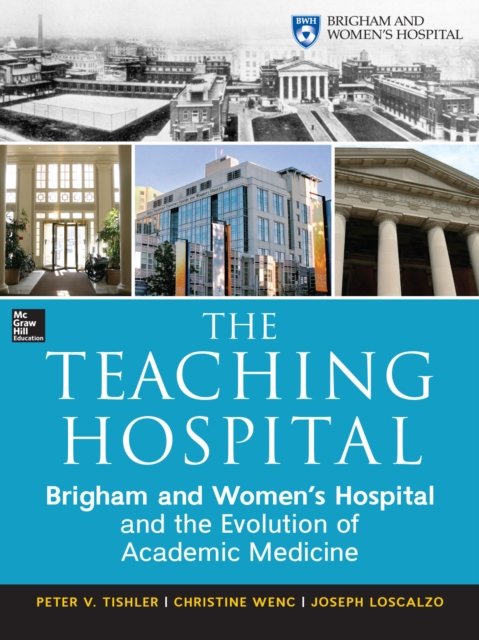
CELEBRATING THE HISTORY OF AMERICA'S LANDMARK INSTITUTIONThe fascinating true story of Brigham and Women's HospitalFounded in 1913, the Peter Bent Brigham Hospital was the first medical institution since John Hopkins to foster clinical clerkships of medical students in the environment of a modern residency program.
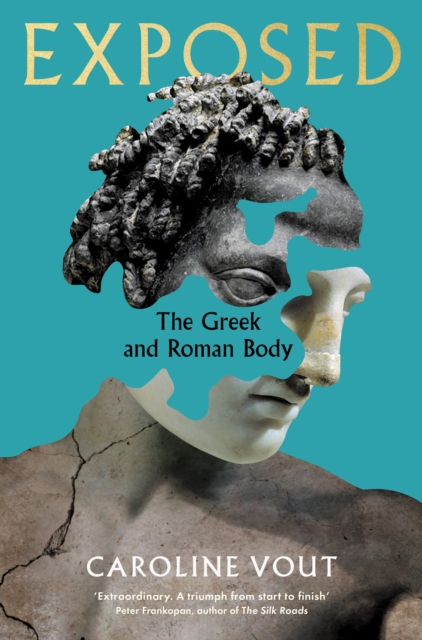
WINNER OF THE LONDON HELLENIC PRIZESHORTLISTED FOR THE ANGLO-HELLENIC RUNICMAN AWARD A SUNDAY TIMES AND SPECTATOR BOOK OF THE YEAR'Essential and hugely enjoyable' Katy Hessel'A triumph .