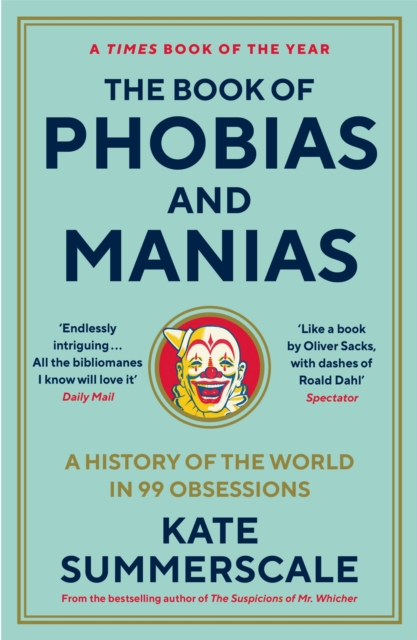
THE PERFECT GIFT FOR ALL BIBLIOMANIACSA BOOK OF THE YEAR IN THE TIMES, FINANCIAL TIMES, SPECTATOR AND DAILY MAILA WATERSTONES BEST POPULAR SCIENCE BOOK Plunge into this rich and thought-provoking A-Z compendium to discover how our fixations have taken shape, from the Middle Ages to the present day, as bestselling author Kate Summerscale deftly traces the threads between the past and present, the psychological and social, the personal and the political.
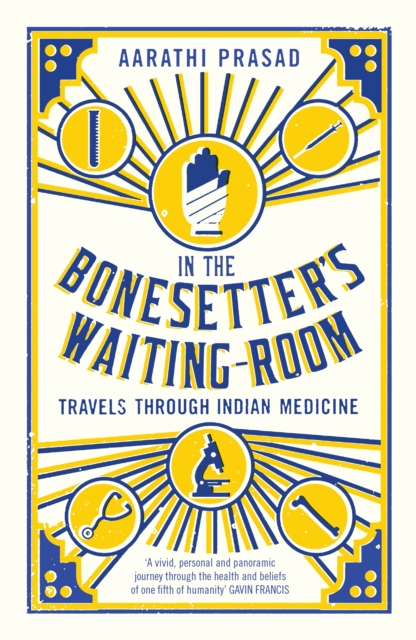
WINNER OF BEST POPULAR MEDICINE BOOK AT THE BMA MEDICAL BOOK AWARDSLONGLISTED FOR THE 2016 JHALAK PRIZEThe story of medicine in India is rich and complex: uniting cutting-edge technological developments with ancient cultural traditions.
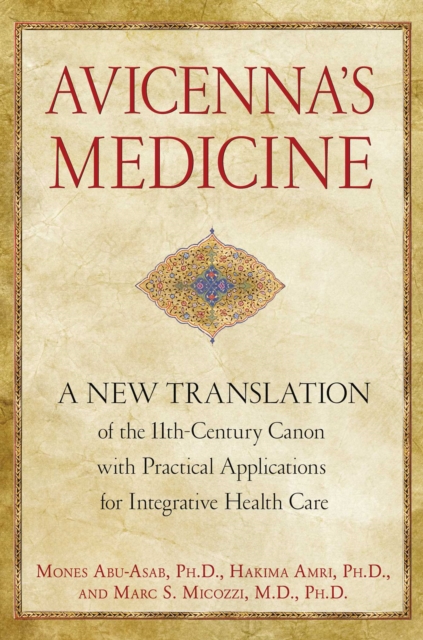
The first contemporary translation of the 1,000-year-old text at the foundation of modern medicine and biology • Presents the actual words of Avicenna translated directly from the original Arabic, removing the inaccuracies and errors of most translators • Explains current medical interpretations and ways to apply Avicenna’s concepts today, particularly for individualized medicine • Reveals how Avicenna’s understanding of the “humors” corresponds directly with the biomedical classes known today as proteins, lipids, and organic acids A millennium after his life, Avicenna remains one of the most highly regarded physicians of all time.
The New York Times-bestselling author of The End of Overeating addresses the problem of processed carbohydrates-and how to reclaim our metabolic health.
A Harvard Medical School diabetes specialist and a top exercise physiologist share a proven and effective 12-week plan to reverse the course of Type 2 diabetes, lose weight, and ditch the medication for good.
A shocking look at the link between sugar, inflammation, and a host of preventable chronic diseases-perfect for fans of bestselling author Gary Taubes' The Case Against Sugar-from leading nerve surgeon Dr.
**SHORTLISTED FOR THE WELLCOME BOOK PRIZE****A GUARDIAN SCIENCE BOOK OF THE YEAR** Riveting invites comparison to Rebecca Skloot's The Immortal Life of Henrietta Lacks NatureThe epic and controversial story of a major breakthrough in cell biology that led to the conquest of rubella and other devastating diseases.
'Lucy Inglis has done a wonderful job bringing together a wide range of sources to tell the history of the most exciting and dangerous plants in the world.
This book explores the political, legal, medical, and social battles that led to the widespread institutionalization of Californians with disabilities from the gold rush to the 1970s.
For more than a century, the American medical profession insisted that doctors be rigorously trained in medical science and dedicated to professional ethics.
In Discovery and Healing: Reflections on Five Decades of Hematology/Oncology at the Perelman School of Medicine at the University of Pennsylvania, David Vaughn describes the history of the Perelman School of Medicine's Division of Hematology/Oncology.
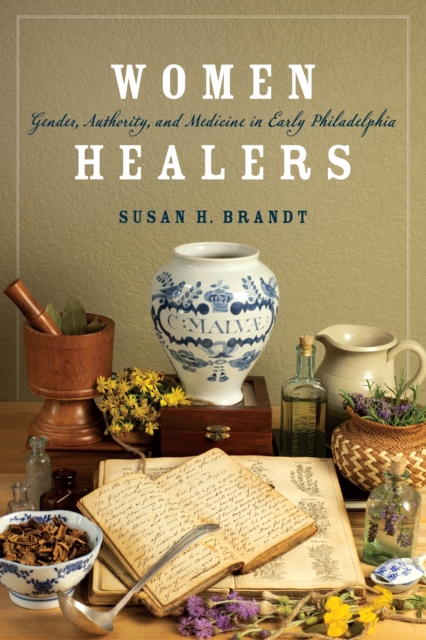
In her eighteenth-century medical recipe manuscript, the Philadelphia healer Elizabeth Coates Paschall asserted her ingenuity and authority with the bold strokes of her pen.
The incendiary untold story of Ireland's response to the most significant public health emergency of the past century, woven from a wealth of original research and dozens of interviews with ministers, politicians, public health experts, essential workers, and ordinary people on whom the crisis exacted a personal toll.
Welcome to London in lockdown - in 1665This timely re-release of Defoe's classic comes with an introduction by Wellcome-Prize-winning author, Will Eaves.
Shortlisted for the Andre Simon Food & Drink Book AwardAn intoxicating interconnected history of booze and medicine, from one of the world's foremost cocktail writers.
The first book to show how the concept of bodily organs emerged and how ancient tools influenced conceptualizations of human anatomy and its operations.
The Huang Di nei jing su wen, known familiarly as the Su wen, is a seminal text of ancient Chinese medicine, yet until now there has been no comprehensive, detailed analysis of its development and contents.
When 18-year-old Mary Hazard touched down in post-war Putney to begin her nurse's training, she could never have known that it was the beginning of a colourful career that would still be going 60 years later - one of the longest ever serving NHS nurses.
When 18-year-old Mary Hazard touched down in post-war Putney to begin her nurse's training, she could never have known that it was the beginning of a colourful career that would still be going 60 years later - one of the longest ever serving NHS nurses.
'Compelling' Christopher Hart, The Sunday Times'A fascinating book' Daily Mail_______________________________________________________________We think of transplant surgery as one of the medical wonders of the modern world -- but it's a lot older than you think.
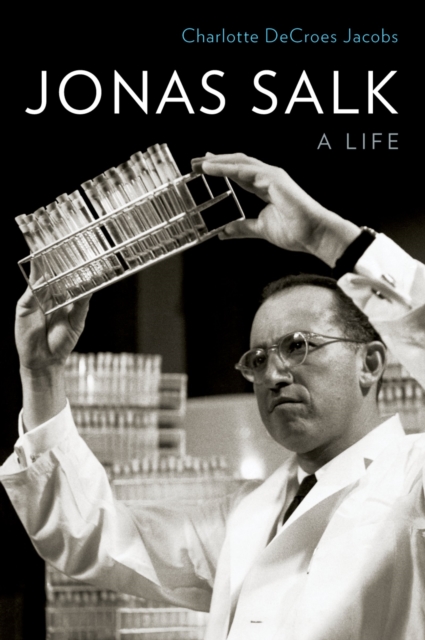
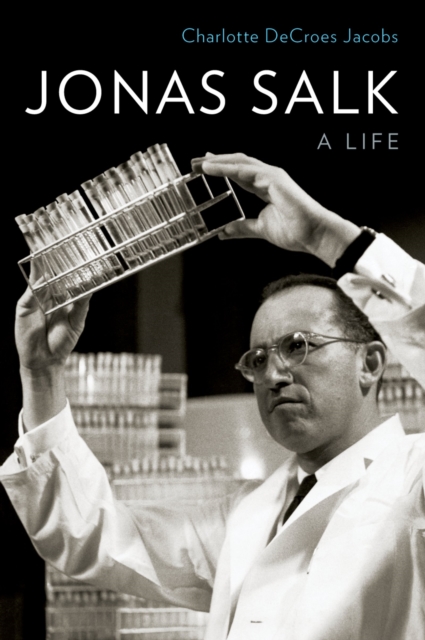
When a waiting world learned on April 12, 1955, that Jonas Salk had successfully created a vaccine to prevent poliomyelitis, he became a hero overnight.
When a waiting world learned on April 12, 1955, that Jonas Salk had successfully created a vaccine to prevent poliomyelitis, he became a hero overnight.
The extraordinary history of British science, with commentary from Britain's greatest living scientists: Stephen Hawking, Richard Dawkins and James DysonWe may only be a small island, but we are far from small-minded.
Winner of the 2002 BMA Popular Medicine Book Prize: This is a haunting literary and scientific examination of Alzheimer's disease and the race to find a cure.
The Fontana History of Chemistry, which draws on both the author's own original research and that of other scholars, is an unrivalled work of synthesis.