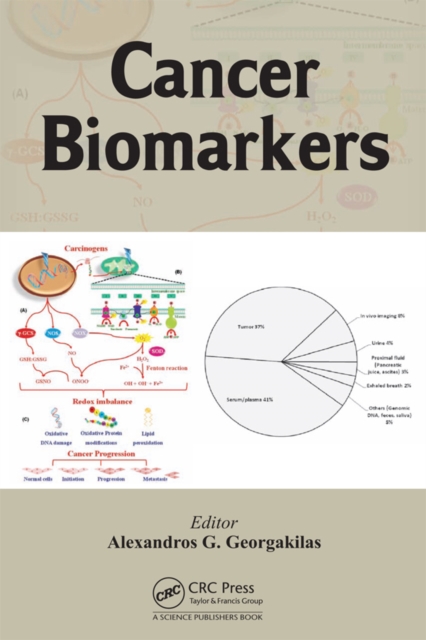
This unique synthesis of chapters from top experts in their fields targets the essential area of cancer biomarkers and the need for better and more rigorous design and clinical trials.
Filling the need for a lab textbook in this rapidly growing field, A Laboratory Course in Tissue Engineering helps students develop hands-on experience.
Data interpretation questions based on clinical cases are a popular means of testing medical students both during undergraduate studies and as an element of finals examinations.
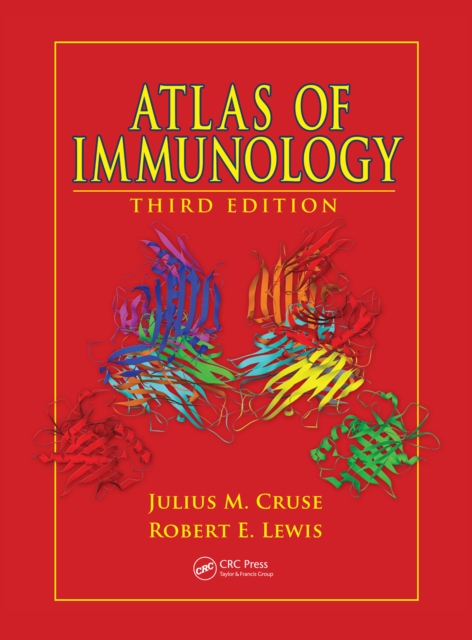
Antibodies protect us from a wide range of infectious diseases and cancers and have become an indispensable tool in science-both for conventional immune response research as well as other areas related to protein identification analysis.
Written to help companies comply with GMP, GLP, and validation requirements imposed by the FDA and regulatory bodies worldwide, Quality Control Training Manual: Comprehensive Training Guide for API, Finished Pharmaceutical and Biotechnologies Laboratories presents cost-effective training courses that cover how to apply advances in the life sciences to produce commercially viable biotech products and services in terms of quality, safety, and efficacy.
Bridging the gap between research and clinical application, Biosensors and Molecular Technologies for Cancer Diagnostics explores the use of biosensors as effective alternatives to the current standard methods in cancer diagnosis and detection.
In recent years, a tremendous amount of effort has been focused on better understanding the fundamentals of Alzheimer's disease (AD) to facilitate early and accurate diagnosis and appropriately targeted therapeutic treatments.
First introduced to biomedical research in 1980, the term biomarker has taken on a life of its own in recent years and has come to mean a number of things.
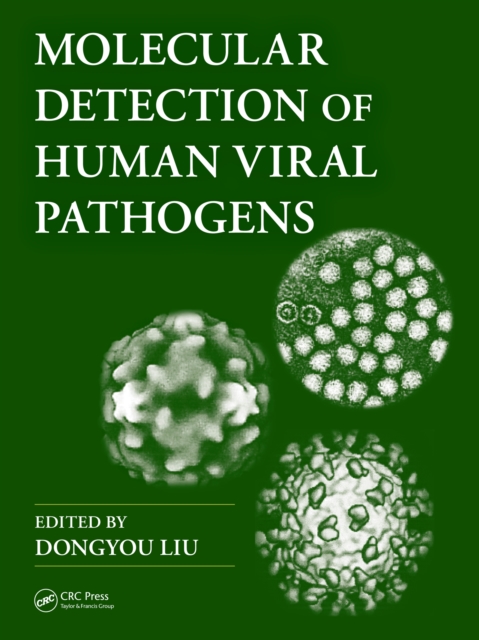
Despite being recognized and fought against over countless centuries, human viral pathogens continue to cause major public health problems worldwide-killing millions of people and costing billions of dollars in medical care and lost productivity each year.
Key features:Serves as the detailed, authoritative source of the clinical chemistry of the most commonly used laboratory animalsIncludes detailed chapters dedicated to descriptions of clinical chemistry-related topics specific to each laboratory species as well as organ/class-specific chaptersPresents information regarding evaluation and interpretation of a variety of individual clinical chemistry end pointsConcludes with detailed chapters dedicated to descriptions of statistical analyses and biomarker development of clinical chemistry-related topicsProvides extensive reference lists at the end of each chapter to facilitate further studyExtensively updated and expanded since the publication of Walter F.
10+ Years of Updates Since First EditionNewcomers to the animal clinical chemistry and toxicology fields quickly find that the same rules of human medicine do not always apply.
Bottom Line Information to Effectively Diagnose DisordersThe diagnosis, management, and clinical testing associated with old, traditional, and new endocrine disorders have seen numerous advances during the past 10 years since the publication of the previous edition of this bestselling resource.
Forensic Issues in Alcohol Testing analyzes the acute and chronic effects of alcohol intoxication and a variety of methods with which to measure alcohol concentration in blood, urine, and breath testing.
Both an introduction and a fundamental reference, this book explores how to apply genomic, proteomic, and metabolomic technologies to surrogate tissue analysis.
With the advent of Assisted Reproductive Technologies, our understanding of the reproductive system in both men and women has progressed in an exponential manner.
A step-by-step guide to commonly used procedures, Methods in Cellular Immunology addresses both human and murine models, in addition to such topics as PCR and apoptosis.
This source expertly examines the discovery, biological structure, control, and continued clarification of endotoxin from a parenteral manufacturing perspective, with in-depth discussion of state-of-the-art technologies involving Limulus amebocyte lysate (LAL) such as assay development, automation, depyrogenation.
Analyzing a key cause of infectious morbidity in immunosuppressed and immunocompromised patients, this source spans the most recent strategies to improve and expedite the diagnosis, identification, and treatment of fungal infections.
Nucleic Acid Testing for Human Disease describes various techniques including target and signal amplification-based NAT procedures, microarrays, bead-based multiplex assays, in situ hybridization, and SNP techniques.
This book provides a synopsis of the challenges involved in the recovery and interpretation of cremains from the point of discovery to the end of the analysis.
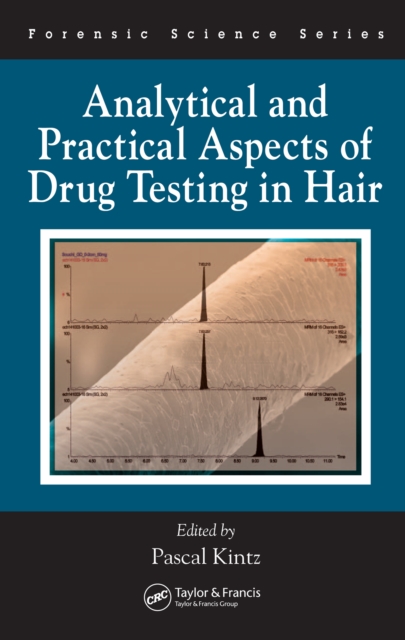
Written by well-known, international authors, this comprehensive reference provides practical coverage of the best hair drug testing techniques and examines the drugs themselves.
While evolving molecular diagnostic methods are being heralded for the role they will play in improving our ability to cultivate and identify bacteria, fungi, and viruses, the reality is that those new methods are still beyond the technical and financial reach of most clinical laboratories.
This handy reference demonstrates how to use blood, plasma, serum, instrumentation, bone marrow, lymph nodes, and splenic tissue to establish diagnosis, emphasizing practical information to aid in the operation of an efficient hematology laboratory and highlighting up-to-date investigative procedures.
This book offers practical tips and essential guidance for trainees and specialists in clinical microbiology and infectious diseases and healthcare professionals interested in infection management to put theoretical knowledge into daily practice.
This book offers practical tips and essential guidance for trainees and specialists in clinical microbiology and infectious diseases and healthcare professionals interested in infection management to put theoretical knowledge into daily practice.
The Pocket Guide to Mycological Diagnosis provides useful and concise information for microbiologists and professionals diagnosing the most medically relevant fungal species.
The Pocket Guide to Mycological Diagnosis provides useful and concise information for microbiologists and professionals diagnosing the most medically relevant fungal species.
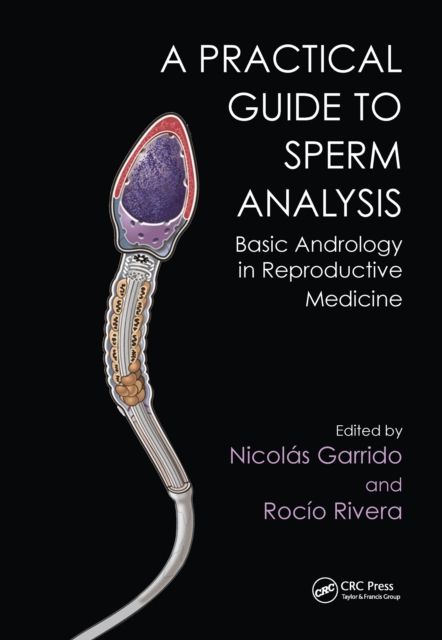
This is a reference manual for daily use in the Reproductive Medicine or Andrology laboratory, which goes beyond the literature available in the scientific journals by compiling insights into a detailed and applied clinical approach.
Key features:Serves as the detailed, authoritative source of the clinical chemistry of the most commonly used laboratory animalsIncludes detailed chapters dedicated to descriptions of clinical chemistry-related topics specific to each laboratory species as well as organ/class-specific chaptersPresents information regarding evaluation and interpretation of a variety of individual clinical chemistry end pointsConcludes with detailed chapters dedicated to descriptions of statistical analyses and biomarker development of clinical chemistry-related topicsProvides extensive reference lists at the end of each chapter to facilitate further studyExtensively updated and expanded since the publication of Walter F.
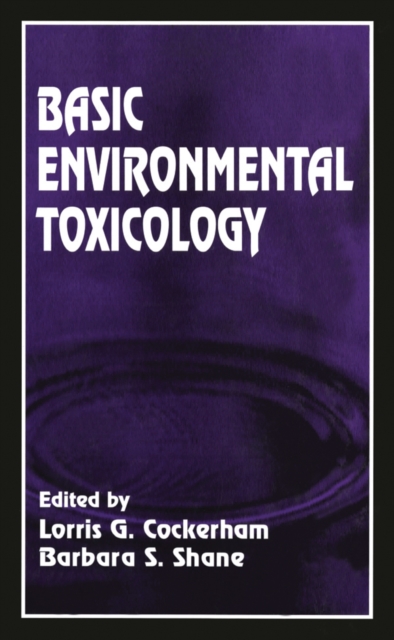
Basic Environmental Toxicology provides a thorough, systematic introduction to environmental toxicology and addresses many of the effects of pollutants on humans, animals, and the environment.
Basic Environmental Toxicology provides a thorough, systematic introduction to environmental toxicology and addresses many of the effects of pollutants on humans, animals, and the environment.