Forensic Issues in Alcohol Testing analyzes the acute and chronic effects of alcohol intoxication and a variety of methods with which to measure alcohol concentration in blood, urine, and breath testing.
This invaluable book provides comprehensive coverage of contemporary serological, cellular and molecular methodologies in histocompatibility testing, and their application to human organ transplantation and transfusion.
Peroxynitrite is a powerful oxidiser which can damage a wide array of molecules within cells, including DNA and proteins, leading to apoptosis, inflammation or cancer.
Clinical Diagnostic Tests is a convenient, quick-reference guide to common errors and pitfalls in test selection and result interpretation for practitioners and trainees in all areas of clinical medicine.
Clinical Diagnostic Tests is a convenient, quick-reference guide to common errors and pitfalls in test selection and result interpretation for practitioners and trainees in all areas of clinical medicine.
A revised, abridged version of the seminal work, Laboratory Medicine in Psychiatry and Behavioral Science, Clinical Laboratory Medicine for Mental Health Professionals more directly address the needs of general psychiatrists and their mental health colleagues in clinical practice.
Laboratory medicine is a complex and changing field, and for the busy clinician, it is difficult to maintain an adequate working knowledge of current concepts and practices in this area -- although this information is essential to excellent patient care.
This book presents, in two parts, a review concerning the use of Rattus norvegicus as a model for the study of neurological disorders and oncological diseases (mammary cancer).
This concise, beautifully illustrated book provides a convenient introduction to the basic science of medical microbiology and how this relates to clinical practice.
This concise, beautifully illustrated book provides a convenient introduction to the basic science of medical microbiology and how this relates to clinical practice.
This is a reference manual for daily use in the Reproductive Medicine or Andrology laboratory, which goes beyond the literature available in the scientific journals by compiling insights into a detailed and applied clinical approach.
Written by experts in the analytical chemistry of tobacco smoke, Tobacco Smoke Exposure Biomarkers summarizes the toxicology, metabolic pathway, and biomarkers of nicotine, TSNAs, PAHs, VOCs, AAs, Catechol and Hydroquinone, HCN, CO and NOx, and heavy metals, and the use of this biomarker in exposure assessment and/or cigarette smoke exposure enviro
Pocket Guide to Gene Level Diagnostics in Clinical Practice is an abbreviated, pocket-size, quick-reference guide that provides a point-by-point synopsis of the vast wealth of information contained in CRC Handbook of Gene Level Diagnostics in Clinical Practice.
This book focuses on four of the hallmarks of aging: aspartic acid racemization, advanced glycation end products, telomere shortening and mitochondrial mutations; describing their role in aging and diseases; and their application to age-at-death estimation in forensic sciences in greater depth, displaying the interconnecting pathways among these processes.
Develop Effective Immunogenicity Risk Mitigation StrategiesImmunogenicity assessment is a prerequisite for the successful development of biopharmaceuticals, including safety and efficacy evaluation.
Placenta: A Neglected Experimental Animal covers the proceedings of the 1978 round table discussion on placenta held at Bedford College, University of London, under the auspices of the Special Commission on Internal Pollution.
The Laboratory Rat, Volume I: Biology and Diseases focuses on the use of rats in specific areas of research, ranging from dental research to toxicology.
Methods of Animal Experimentation, Volume I, provides information on the most common methods for using animals as tools in the search for new biological knowledge.
Methods of Animal Experimentation, Volume VII: Research Surgery and Care of the Research Animal, Part C is a collection of papers that deals with methods used in animal experiments concerning surgical approaches to certain organ systems such as the maxillofacial and skin systems.
Methods of Animal Experimentation, Volume VII: Research Surgery and Care of the Research Animal, Part B is a collection of papers that deals with methods used in animal experiments concerning surgical approaches to certain organ systems.
Methods of Animal Experimentation, Volume VII: Research Surgery and Care of the Research Animal, Part A is a collection of papers that deals with methods used in animal experiments involving patient care, vascular access, and telemetry.
Methods of Animal Experimentation, Volume II, provides information on the most common methods for using animals as tools in the search for new biological knowledge.
Advances in Oxytocin Research documents the proceedings of a symposium held by the Blair-Bell Research Society at the Royal College of Obstetricians and Gynecologists, London, England, on 1st May 1964.
My Journey As an Iridologist open up my mind that one should not immediately write off alternative new knowledge without giving it a chance and going deeper into it.
The only monograph on cytogenetics for the pathologist, this up-to-the-minute reference/text contains the most up-to-date research findings on many important topics in medical genetics-notably FISH (fluorescent in situ hybridation)-based molecular cytogenetic technologies and spectral karyotyping.
Essential for the laboratory, this practical manual presents a wide variety of techniques associated with the use of human CNS tissue obtained at autopsy.
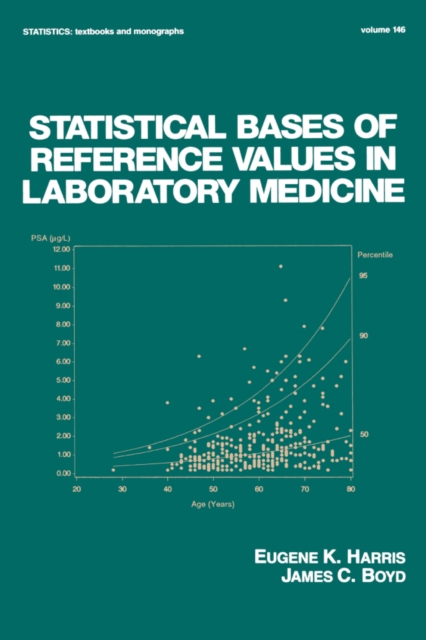
Examining the strengths and limitations of various standards of accuracy in clinical laboratory analyses, this detailed reference presents an in-depth study of important theoretical and empirical issues concerning the description, collection, and application of reference values in laboratory medicine.
Vitrification in Assisted Reproduction presents standard and new cryopreservation techniques in detail, outlining those that have resulted in success, and providing recommended means for overcoming typically encountered problems.
This book is part of a series of titles that are a spin-off of the Shingo Prize-winning book Leveraging Lean in Healthcare: Transforming Your Enterprise into a High Quality Patient Care Delivery System.
The Manual of Immunological Methods represents the collaboration of the Canadian Network of Toxicology Centers, a non-profit network of university-based scientists dedicated to research, training, risk assessment, and communication.
Veterinary Clinical Pathology: A Case-Based Approach presents 200 cases with questions for those interested in improving their skills in veterinary clinical pathology.
Oxidative modification of lipids and phospholipids-including radical damage, halogenation, and nitration-result in significant changes to the chemical properties of the molecules, which in turn have a major effect on their biochemical functions.
Unlike conventional single daily observations, time lapse technology provides hundreds of images, which allows pinpointing of key events in the embryo's in vitro development as well as the detection of brief but significant critical changes.
This book will enable the production of reliable, accurate, reproducible (best possible care) results that satisfies the customers requirements obtained from an accredited, process oriented, health and safety conscious laboratory that is cost effectively run (value for money) by qualified, certified and highly motivated biomedical staff (Joy and pride at work) using well maintained, validated and quality controlled equipments and appropriately stored reagents on the right sample drawn from the right patient that is appropriately communicated in a timely fashion to the requesting clinician to enable them render the best possible evidenced- based medical care to their patients.
Clinical and Statistical Considerations in Personalized Medicine explores recent advances related to biomarkers and their translation into clinical development.
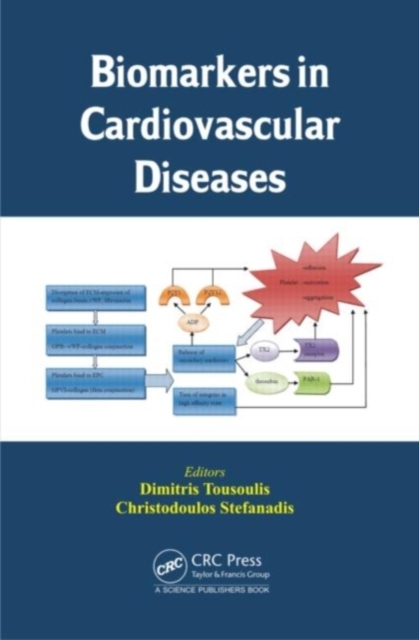
The establishment of precise and reliable biomarker tests for the early stages of cardiovascular disease is of great importance and can be the cornerstone in the prevention of future cardiovascular disease (CVD).
Filling the need for a lab textbook in this rapidly growing field, A Laboratory Course in Tissue Engineering helps students develop hands-on experience.
The field of forensic DNA analysis has grown immensely in the past two decades and genotyping of biological samples is now routinely performed in human identification (HID) laboratories.