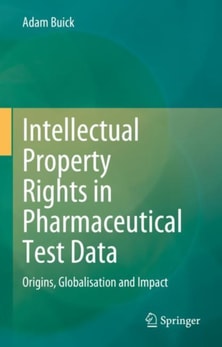
This book considers the intellectual property protection of clinical test data that has been submitted to governments, in particular through test data exclusivity rights.
This contributed volume reviews the latest advances on relevant 3D tissue engineered in vitro models of disease making use of biomaterials and microfluidics.
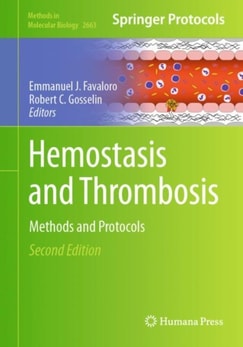
This second edition volume expands on the previous edition with updates about the latest state-of-the-art techniques used in leading hemostasis and thrombosis laboratories for diagnosis and exclusion of hemorrhagic and thrombotic diseases.
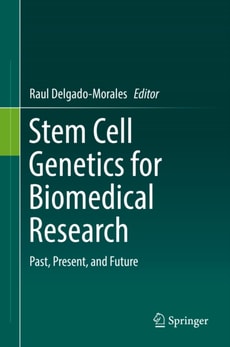
This book looks at where stem cell technology is presently and how it is instrumental in advancing the field of disease modeling and cell transplantation.
The Laboratory Rat, Second Edition features updated information on a variety of topics including: rat genetics and genomics, both spontaneous and induced disease; state-of-the-art technology for housing and husbandry; occupational health, and experimental models.
This highly engaging guide for clinical researchers provides a foundation for improving skills in the understanding of ethical requirements in the design and conduct of clinical research.
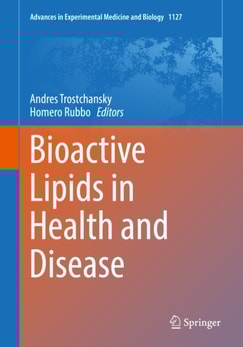
The purpose of this book is to introduce the readers on the perspective of the role that unsaturated fatty acids and complex lipids play on health and disease.
This book fills a unique gap in the research on the cultural history of vegetarianism and veganism, children's literature and Victorian periodicals, and it is the first publication to systematically describe the phenomenon of Victorian children's vegetarianism and its representations in literature and culture.
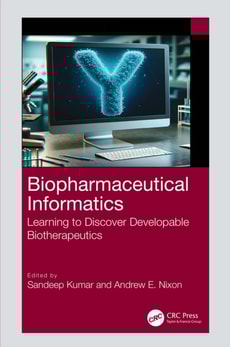
Despite the phenomenal clinical success of antibody-based biopharmaceuticals in recent years, discovery and development of these novel biomedicines remains a costly, time-consuming, and risky endeavor with low probability of success.
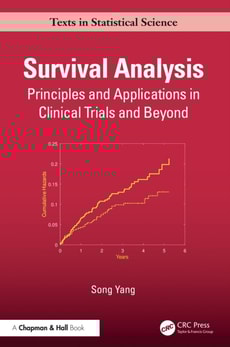
Survival analysis is crucial in many fields, including biomedical research, actuarial science, reliability analysis, business and customer analytics, econometrics, and social science.
Comparative effectiveness research has become essential for shaping regulatory policy, informing economic evaluations, and guiding treatment standardization across healthcare systems worldwide.
Comparative effectiveness research has become essential for shaping regulatory policy, informing economic evaluations, and guiding treatment standardization across healthcare systems worldwide.
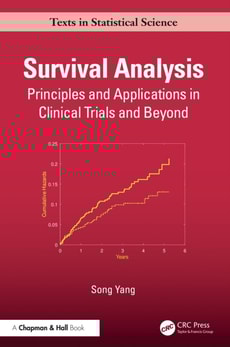
Survival analysis is crucial in many fields, including biomedical research, actuarial science, reliability analysis, business and customer analytics, econometrics, and social science.