This book provides valuable new insights into preventive measures for chronic arsenic poisoning, exploring the various causes, metabolism and toxicity, preventive drugs, functional foods and various methods for removing arsenic from contaminated water.
Recent Statistical techniques are one of the basal evidence for clinical research, a pivotal in handling new clinical research and in evaluating and applying prior research.
Biological rhythms time the ebb and flow of virtually every physiological process, and their mutual coordination guarantees the integrity of the organism over space and time.
This book provides an overview of the current applications of nanomaterials in brain diseases, and introduces several novel nanomaterials that have excellent potential in this field.
This book provides a comprehensive review of diagnosis and treatments of renal cell carcinoma (RCC) for practitioners and researchers with an interest in this disease.
A major objective of this book is to reveal unprecedented opportunities to understand and overcome drug resistance through the clinical assessment of rational therapeutic drug combinations and the use of predictive and prognostic biomarkers to enable patient stratification and tailor treatments.
This collection, entitled Digital Health for Predictive, Preventive, Personalized and Participatory Medicine contains the proceedings of the first International conference on digital healthtechnologies (ICDHT 2018).
Unmet healthcare needs of young populations and individuals in suboptimal health conditions are the key issue of currently observed epidemics of non-communicable disorders.
This book is the second of two volumes that offer a comprehensive, up-to-date account of current knowledge regarding high-density lipoprotein (HDL), the changes that occur in HDL under different conditions, the clinical applications of HDL, and means of enhancing HDL functionality.
This book presents the latest data from basic research and clinical trials supporting the effectiveness of ketamine as a treatment for depression, bipolar disorder, and suicidal behavior, setting these positive findings within the context of the serious problem of ketamine abuse.
This volume of the Subcellular Biochemistry series is the result of the long-standing research interest of the editor in the molecular mechanism underlying Alzheimer's disease and other amyloid diseases, indicated also by the earlier book in the series (Volume 38), devoted to Alzheimer's disease.
This book is the second in a two-volume set devoted to bioelectrochemical systems (BESs) and the opportunities that they may offer in providing a green solution to growing energy demands worldwide.
This book reviews current immunotherapeutic strategies for gastrointestinal (GI) malignancies, including immune composition, immune checkpoint inhibitors, cell therapy, and peptide vaccines used to protect against esophageal, gastric, hepato-biliary, pancreatic and colorectal cancers.
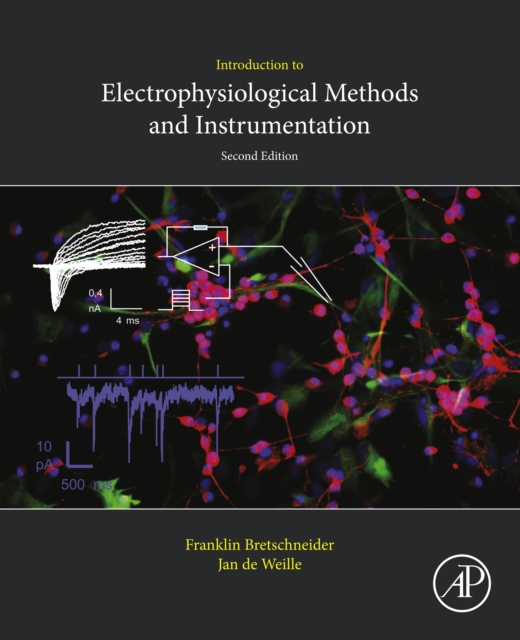
Introduction to Electrophysiological Methods and Instrumentation, Second Edition covers all topics of interest to electrophysiologists, neuroscientists and neurophysiologists, from the reliable penetration of cells and the behavior and function of the equipment, to the mathematical tools available for analyzing data.
This volume of Progress in Molecular Biology and Translational Science discusses cutting-edge research of proteasomes and proteasome-associated proteins and cellular systems.
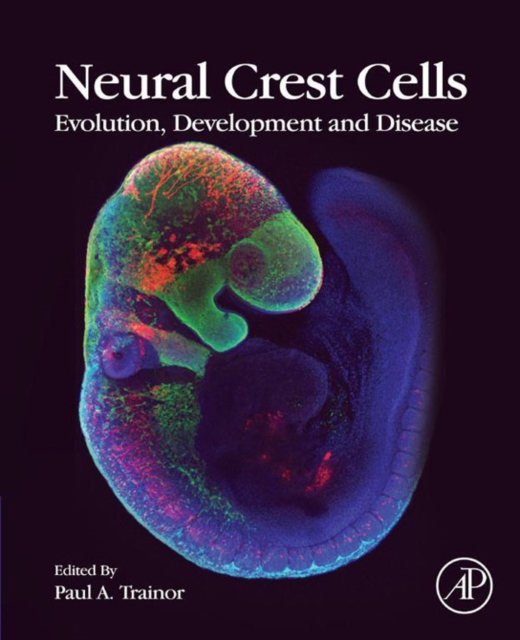
Neural Crest Cells: Evolution, Development and Disease summarizes discoveries of historical significance and provides in-depth, current analyses of the evolution of neural crest cells, their contribution to embryo development, and their roles in disease.
Translational Regenerative Medicine is a reference book that outlines the life cycle for effective implementation of discoveries in the dynamic field of regenerative medicine.
Toxicogenomics-Based Cellular Models is a unique and valuable reference for all academic and professional researchers employing toxicogenomic methods with respect to animal testing for chemical safety.
Dysimmune Neuropathies provides readers with detailed, basic information that will enable users to recognize and differentiate each neuropathy to adequately guide an investigation and create a treatment plan.
Patient Derived Tumor Xenograft Models: Promise, Potential and Practice offers guidance on how to conduct PDX modeling and trials, including how to know when these models are appropriate for use, and how the data should be interpreted through the selection of immunodeficient strains.
This is the second edition of a well received book that reviews classical epidemiological and clinical research designs, with a specific focus on aging.
The book illustrates how biostatistics may numerically summarize human genetic epidemiology using R, and may be used successfully to solveproblems in quantitative Genetic Epidemiology Biostatistics for Human Genetic Epidemiology provides statistical methodologies and R recipes for human genetic epidemiologic problems.
Using a multidisciplinary approach, this book describes the biochemical mechanisms associated with dysregulation of proteases and the resulting pathophysiological consequences.
This book covers the discovery of molecular biomarkers, the development of laboratory testing techniques and their clinical applications, focusing on basic research to clinical practice.
The book titled 'Prebiotics, Probiotics and Nutraceuticals' is expected to direct many emerging research pathwaysneed at local and global levels for nutrition and food supplements for developing immunity for healthy life.
This book comprehensively summarizes the biology, etiology, and pathology of ovarian cancer and explores the role of deep molecular and cellular profiling in the advancement of precision medicine.
Im Zentrum dieses Lehrbuchs steht die Anwendung, weniger die die reine Wissensvermittlung der Ergebnisse aller chemisch biologischer Arbeiten (was auch den Rahmen eines Buches sprengen würde).
This book offers an in-depth discussion of the latest strategies in the field of drug design and their applications in various disorders, in order to encourage readers to undertake their own projects.
Cancer metabolomics is a rapidly evolving field that aims for a comprehensive dissection of the metabolic phenotypes and functional network of metabolites in human cancers.
Reversed-phase high-performance liquid chromatography (RP-HPLC) has become the most widely used method for pharmaceutical analysis, as it ensures accuracy, specificity and reproducibility for the quantification of drugs, while avoiding interference from any of the excipients that are normally present in pharmaceutical dosage forms.