Presenting topics from the basic application of molecular genetics to more complex gene expression analysis using different models of study, this detailed volume explores asthma through the lens of genetics, considered to play an essential role in the etiopathogenesis of the disease.
In Vitro Toxicology Systems brings together important issues and considerations needed in order to develop a workable, reliable, integrated testing strategy for the replacement of animals in toxicity testing regimes.
Since the conception of this acclaimed series of volumes examining neural tissue culture, the expansion of neuroscience has continued to produce vital discoveries that utilize tissue culture methodologies.
Alzheimer's disease and frontotemporal dementia, two of the most prevalent neurodegenerative diseases, are dreaded disorders that attack the neural networks underlying memory and personality, systems that make us who we are.
Since its early days in the 1990s, the Quorum Sensing (QS) field has grown from a few dozen laboratories, investigating the pathways, proteins, and chemicals that facilitate signaling in bacteria, to hundreds of groups that have integrated evolutionary biology, computer science, mathematics, engineering, and metagenomics to create an ever-expanding and dynamic field.
The haemostatic system is one the most important physiological systems for maintaining health and well being, and thus the investigation of the haemostatic system remains a research priority.
The hematopoietic stem cell (HSC) field has rapidly grown in the past several years as new technologies have been developed and the older tried and true methods have been used in new ways.
This second edition volume expands on the first edition with more detailed methodologies on prenatal testing and diagnosis, and also covers next-generation sequencing techniques.
This volume provides protocols for mouse models of allergic diseases and guidelines for choosing a particular strains, allergen, adjuvant, and route of sensitization.
Immunologists today are interested in all of the diverse cell-types involved in host defense and have a deeper appreciation of the importance of innate immune mechanisms as a first line of protection against pathogens.
This detailed book serves to provide a global overview of the goals, rationale, and scientific basis for malaria control and elimination, as well as tools, methods, and strategies to that end.
Over the last ten years, Green Fluorescent Proteins, along with the other spectral variants, have emerged from near obscurity to become a powerful and versatile tool in scientific research.
This book considers the intellectual property protection of clinical test data that has been submitted to governments, in particular through test data exclusivity rights.
This book updates knowledge on recent advances in computational, biophysical and bioinformatics tools/techniques and their practical applications in modern drug design and discovery paradigm.
Neurostimulation for Epilepsy: Advances, Applications, and Opportunities comprehensively reviews the diverse array of neurostimulation technologies currently in use and in development for the treatment of epilepsy.
This book highlights the integration of science and imaging and demonstrates how we can teach and learn in a much more accessible, innovative, and engaging way using technology.
This detailed volume presents a diverse set of methodological approaches designed to improve our understanding of bacterial infections from a wide range of bacterial species.
Polymers for Controlled Drug Delivery addresses the challenges of designing macromolecules that deliver therapeutic agents that function safely and in concert with living organisms.
Polymers for Controlled Drug Delivery addresses the challenges of designing macromolecules that deliver therapeutic agents that function safely and in concert with living organisms.
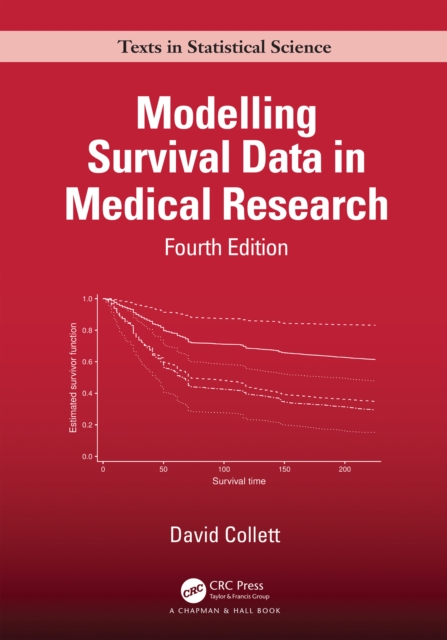
Modelling Survival Data in Medical Research, Fourth Edition, describes the analysis of survival data, illustrated using a wide range of examples from biomedical research.
Sample Sizes for Clinical Trials, Second Edition is a practical book that assists researchers in their estimation of the sample size for clinical trials.
Sample Sizes for Clinical Trials, Second Edition is a practical book that assists researchers in their estimation of the sample size for clinical trials.
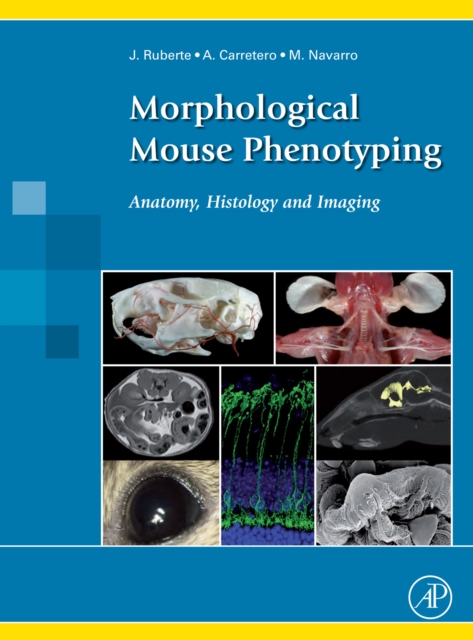
Morphological Mouse Phenotyping: Anatomy, Histology and Imaging is an atlas of explanatory diagrams and text that guides the reader through normal mouse anatomy, histology, and imaging.
This book provides clinicians with the information needed to effectively interpret the literature from observational and interventional cardiovascular outcomes studies.
The "e;Integrated Science of Global Epidemics"e; is the new proposed volume of Integrated Science Book series, aiming to publish the results of the most updated ideas and reviews on Global Epidemics.
The "e;Integrated Science of Global Epidemics"e; is the new proposed volume of Integrated Science Book series, aiming to publish the results of the most updated ideas and reviews on Global Epidemics.
Handbook for Clinical Trials of Imaging and Image-Guided Interventions is the first single-source, multi-disciplinary reference, based on the didactic sessions presented at the annual Clinical Trials Methodology Workshop for radiologists, radiation oncologists and imaging scientists (sponsored by the Radiological Society of North America (RSNA)).
This detailed volume presents a diverse set of methodological approaches designed to improve our understanding of bacterial infections from a wide range of bacterial species.
The biotechnology/biopharmaceutical sector has tremendously grown which led to the invention of engineered antibodies such as Antibody Drug Conjugates (ADCs), Bispecific T cell engager ( BITES), Dual Variable Domain ( DVD), Chimeric Antigen Receptor - Modified Tcells (CART) that are currently being used as therapeutic agents for immunology and oncology disease conditions.
In interviews with brilliant and controversial medical researchers and practitioners, David Jay Brown reveals "e;proposed solutions for what's wrong with modern medicine, ideas about reversing the aging process and suggestions that can lead to a future in which all diseases are easily curable.
This manual is a comprehensive compilation of "e;methods that work"e; for deriving, characterizing, and differentiating hPSCs, written by the researchers who developed and tested the methods and use them every day in their laboratories.