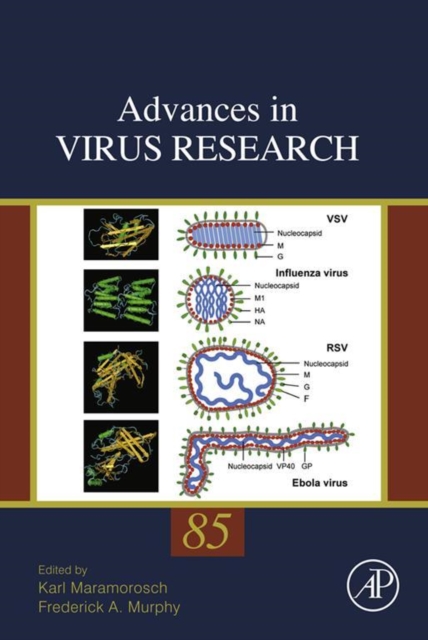
Published since 1953, Advances in Virus Research covers a diverse range of in-depth reviews providing a valuable overview of the current field of virology.
A single trial is complex, with numerous regulations, administrative processes, medical procedures, deadlines and specific protocol instructions to follow.
Aggregates of the TAR DNA binding protein 43 (TDP-43), are hallmark features of the neurodegenerative diseases Amyotrophic Lateral Sclerosis (ALS) and frontotemporal dementia (FTD), with overlapping clinical, genetic and pathological features.
Animal Models for the Study of Human Disease identifies important animal models and assesses the advantages and disadvantages of each model for the study of human disease.
The Practical Guide to Clinical Research and Publication provides a comprehensive overview of the key foundations of epidemiology, statistics and epidemiological studies.
This volume of Progress in Molecular Biology and Translational Science covers the recent advances in the expanding fields of nutrigenetics and nutrigenomics.
Principles of Translational Science in Medicine: From Bench to Bedside, Second Edition, provides an update on major achievements in the translation of research into medically relevant results and therapeutics.
Membrane Proteins - Production and Function Characterization a volume of Methods in Enzymology, encompasses chapters from the leading experts in the area of membrane protein biology.
This volume details experimental protocols to study structure and function of hepatocytes in vivo and in vitro, and for characterizing heterogeneity and plasticity of hepatocytes in healthy and in injured liver.
Stem Cell and Gene Therapy for Cardiovascular Disease is a state-of-the-art reference that combines, in one place, the breadth and depth of information available on the topic.
Toxicology in Antiquity is the first in a series of short format works covering key accomplishments, scientists, and events in the broad field of toxicology, including environmental health and chemical safety.
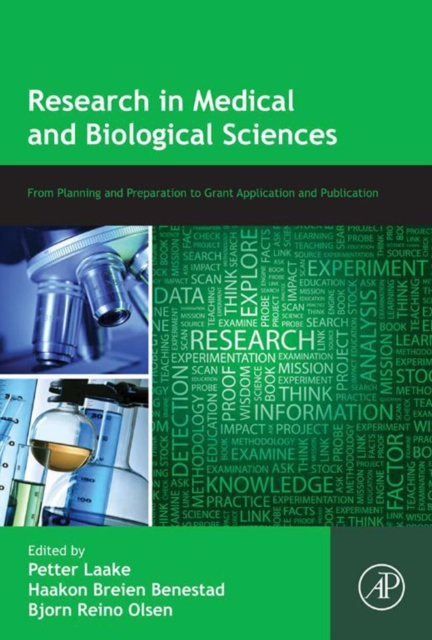
Research in Medical and Biological Sciences covers the wide range of topics that a researcher must be familiar with in order to become a successful biomedical scientist.
Despite spectacular advances, modern medicine faces formidable global challenges in several key areas-notably the persistence of major killer diseases such as malaria, tuberculosis, leprosy, and newer threats including HIV/AIDS, resistant infections, and Ebola.
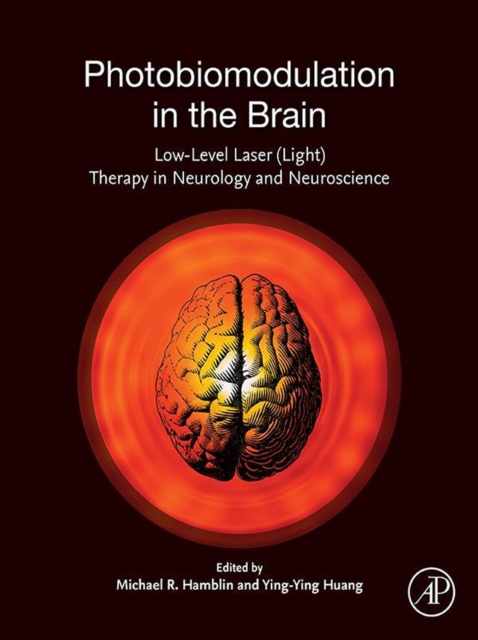
Photobiomodulation in the Brain: Low-Level Laser (Light) Therapy in Neurology and Neuroscience presents the fundamentals of photobiomodulation and the diversity of applications in which light can be implemented in the brain.
This volume explores some of the most exciting recent advances in basic research on nanoparticles in translational science and medicine and how this knowledge is leading to advances in the various fields.
The understanding of chemokines, the proteins that control the migration of cells, and their receptors, is critical to the study of causes and therapies for a wide range of human diseases and infections, including certain types of cancer, inflammatory diseases, HIV, and malaria.
Posttraumatic Epilepsy: Basic and Clinical Aspects provides a synthesized resource on the recent basic and clinical science developments in the field of posttraumatic epilepsy.
Innovation in Clinical Trial Methodologies: Lessons Learned during the Corona Pandemic presents a selection of updated chapters from Re-Engineering Clinical Trials that feature innovative options and methods in clinical trials.
Tendon Regeneration: Understanding Tissue Physiology and Development to Engineer Functional Substitutes is the first book to highlight the multi-disciplinary nature of this specialized field and the importance of collaboration between medical and engineering laboratories in the development of tissue-oriented products for tissue engineering and regenerative medicine (TERM) strategies.
New and Future Developments in Catalysis is a package of books that compile the latest ideas concerning alternate and renewable energy sources and the role that catalysis plays in converting new renewable feedstock into biofuels and biochemicals.
This detailed volume explores the application of multiplex biomarker methods in the critical area of COVID-19 research through state-of-the-art technologies in the fields of genomics, proteomics, transcriptomics, metabolomics, and imaging.
Concise, readable, and easy to navigate-a practical and thorough guide to conducting efficient and effective medical research A Doody's Core Title for 2024 & 2023!
Rapid Virus Diagnosis: Application of Immunofluorescence presents developments in immunofluorescence as a technique for the diagnosis of virus infections.
Pain Syndromes in Neurology deals with the diagnosis and treatment of painful conditions associated with dysfunction of the peripheral or central nervous system.
The Physiological and Technical Basis of Electromyography aims to help the clinician involved in the study of diseases of the peripheral nervous system and muscle to better understand the pathophysiological basis for many of the observations derived from electromyography and nerve conduction studies.
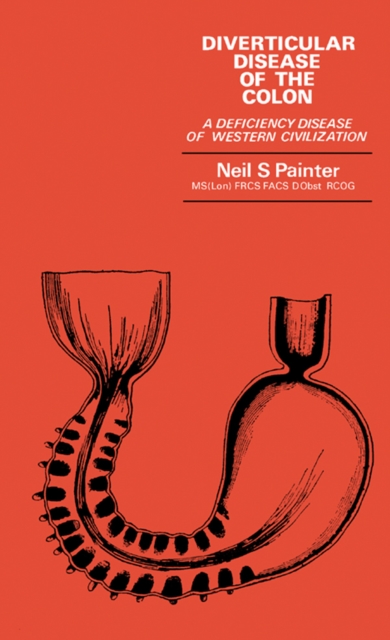
Diverticular Disease of the Colon: A Deficiency Disease of Western Civilization presents a study of colonic physiology and the symptoms of colonic diverticulosis and diverticulitis.
Principles, Practices and Positions in Neuropsychiatric Research contains the proceedings of a conference held in June 1970 at the Walter Reed Army Institute of Research, Washington, D.
Current Approaches to Occupational Health 2 is a compilation of articles that review the progress in the fields of occupational health, occupational medicine, and occupational hygiene.
Endocrine Problems in Cancer: Molecular Basis and Clinical Management reviews endocrine and metabolic problems that can be attributed to the production of hormones by neoplastic cells, or by the interference of normal physiological systems by malignant cells.