Drawing on the statistical and philosophical expertise of its authors, this book is designed to improve understanding and use of randomised controlled trials (RCTs) among health professionals.
Safety and Wearable Technology tackles the profound issue of workplace safety, as each day unacceptable numbers of workers lose their lives in accidents, with even more succumbing to work-related illnesses across the globe.
The book, emanating from ground-breaking research, is authored by Dr Ganbawale, one of the bright young Homoeopathy professionals of the country possessing an analytical mind set.
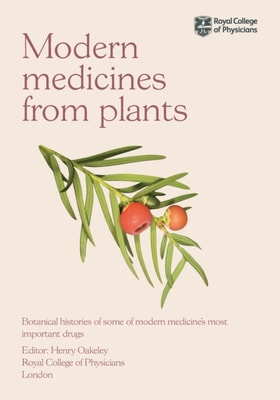
The full colour, beautifully illustrated Modern Medicines from Plants: Botanical histories of some of modern medicine's most important drugs features information on plants from which we obtain modern prescription medicines.
Existe
un tratamiento natural para el hipotiroidismo, ya sea solo o junto con un
régimen de tratamiento médico para controlar la afección: una dieta saludable
que incluya alimentos para curar el hipotiroidismo.
Clinical Diagnostic Tests is a convenient, quick-reference guide to common errors and pitfalls in test selection and result interpretation for practitioners and trainees in all areas of clinical medicine.
Framed by the author's personal odyssey as a caregiver and richly informed by the inspiring and poignant tales of others, Caregiving explores medical and financial problems, all aspects of spirituality, and such issues as depression, stress, housing, home care, and end-of-life concerns.
This book looks at fresh (fruits and vegetables) and processed foods from a biochemical and nutritional perspective, as well as the relationship between their content in micronutrients and phytochemicals and the major killer diseases such as cardiovascula
Laser Dentistry: Current Clinical Applications by the World Federation for Laser Dentistry (WFLD) is a comprehensive guide the state of the art, principles and practices of laser dentistry.
Pediatric Neoplasia: Advances in Molecular Pathology and Translational Medicine presents many of the major, relevant advances in molecular pathology that are occurring in the field of pediatric oncology and will serve as a useful overview for resident and attending physicians as well as scientists interested in understanding the molecular pathology of pediatric cancer in the context of clinical medicine.
Molecular Typing in Bacterial Infections covers common bacterial pathogenic agents, with the most effective methods for their identification and classification in the light of their specific epidemiology.
Juvenile homicide and fatal maltreatment remain serious and pervasive problems in the developed world and especially in the United States, where in 2005 some 1,500 children died from neglect and physical abuse.
This illustrated guide to the role of the forensic anthropologist in investigating child abuse is an essential resource in one of the most contentious areas of forensic pathology.
Molecular and Translational Vascular Medicine will serve as a state-of-the-art resource for physicians and translational medical researchers alike who are interested in the rapidly evolving field of vascular medicine.
Translational Cardiology: Molecular Basis of Cardiac Metabolism, Cardiac Remodeling, Translational Therapies and Imaging Techniques provides an up-to-date introduction to the role circadian rhythms, cardiac plasticity, and mechanotransduction play in the heart, while at the same time introducing new developments in cellular, viral, and non-biologic therapies that are in the process of being developed.
Chronic diseases are the leading cause of deaths worldwide and according to the World Economics Council and the Harvard School of Public Health, the cost of chronic diseases is expected to reach a staggering 48% of global gross domestic product by the year 2030.
Biotargets of Cancer in Current Clinical Practice presents an updated and reasoned review of the current status of knowledge concerning the major cancer types with a special focus on the current biomarkers, genes involved and the potential future targets of innovative therapies.
Genetic testing has become commonplace, and clinicians are frequently able to use knowledge of an individual's specific genetic differences to guide their course of action.
Clinical Diagnostic Tests is a convenient, quick-reference guide to common errors and pitfalls in test selection and result interpretation for practitioners and trainees in all areas of clinical medicine.
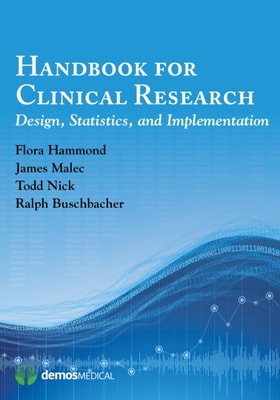
With over 80 information-packed chapters, Handbook for Clinical Research delivers the practical insights and expert tips necessary for successful research design, analysis, and implementation.
A revised, abridged version of the seminal work, Laboratory Medicine in Psychiatry and Behavioral Science, Clinical Laboratory Medicine for Mental Health Professionals more directly address the needs of general psychiatrists and their mental health colleagues in clinical practice.
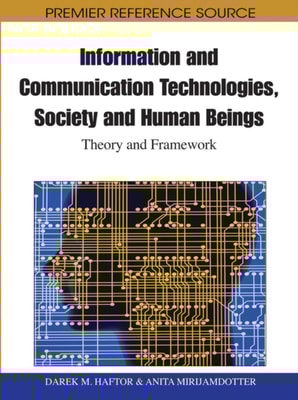
There is a real need for an enlightening new volume to explore the recent developments and topical analyses of the psychological and social effects of ICT.
Laboratory medicine is a complex and changing field, and for the busy clinician, it is difficult to maintain an adequate working knowledge of current concepts and practices in this area -- although this information is essential to excellent patient care.
Whether you're coping with a loved one who has received a terminal diagnosis, has a long-term illness or disability, or suffers with dementia, caregiving is challenging and crucial.
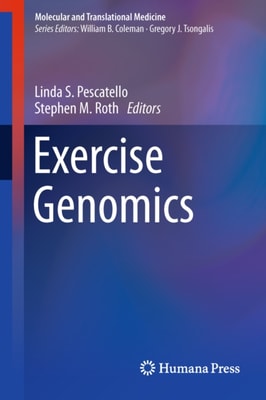
Exercise Genomics encompasses the translation of exercise genomics into preventive medicine by presenting a broad overview of the rapidly expanding research examining the role of genetics and genomics within the areas of exercise performance and health-related physical activity.
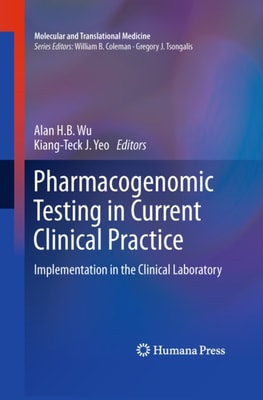
While the basic principles of personalized medicine and pharmacogenomics has been covered by numerous texts, there are none to date that focuses on the specific tests themselves that are in current clinical practice and those that are being proposed for implementation in the near future.
Ischemic brain damage represents a major source of morbidity and mortality in westernized society and poses a significant financial burden on the health care system.
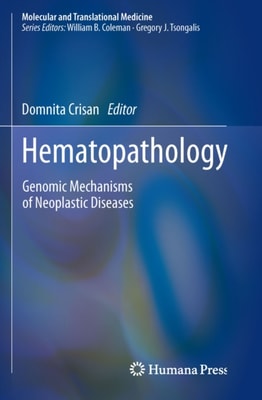
Hematopathology: Genomic Mechanisms of Neoplastic Diseases will keep physicians abreast of the rapid and complex changes in genomic medicine, as exemplified by the molecular pathology of hematologic malignancies.
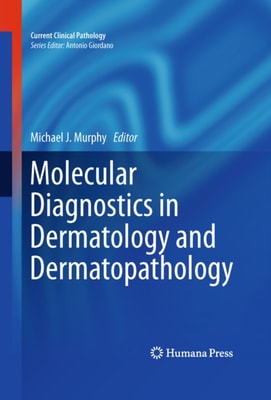
Molecular Diagnostics in Dermatology and Dermatopathology presents the basics of molecular biology and molecular diagnostic methods most commonly used in the clinical laboratory, with an emphasis on the concepts and testing most relevant to dermatological diseases.
The role of free radicals and oxidative stress in neurological disorders has only recently been recognized, leaving clinical neurologists to seek in vain for information on the subject even in major textbooks.
Nanomedicine is clinical medicine with the application of nanobiotechnology, which is currently being used to research the pathomechanism of disease, refine molecular diagnostics, and aid in the discovery, development and delivery of drugs.