In recent years, many pharmaceutical companies and clinical research organizations have been focusing on the development of traditional Chinese (herbal) medicines (TCMs) as alternatives to treating critical or life-threatening diseases and as pathways to personalized medicine.
Fundamental Concepts for New Clinical Trialists describes the core scientific concepts of designing, data monitoring, analyzing, and reporting clinical trials as well as the practical aspects of trials not typically discussed in statistical methodology textbooks.
Sarcopenia: Molecular, Cellular, and Nutritional Aspects describes the progressive loss of skeletal muscle mass and strength, defined by Rosenberg in 1997 as a hallmark of aging and referred to as "e;sarcopenia.
Cancer is a major healthcare burden across the world and impacts not only the people diagnosed with various cancers but also their families, carers, and healthcare systems.
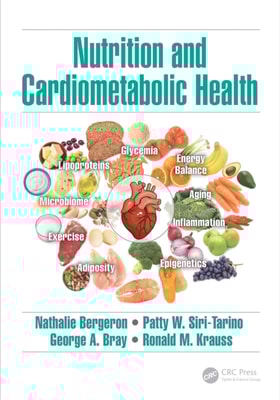
While medical professionals continue to practice traditional allopathic medicine, the public has turned toward nutritional and integrative medical therapies, especially for addressing the proliferation of chronic diseases.
Biofortification, which can be defined as the process of increasing the content/density of essential nutrients and/or its bioavailability of food with valuable compounds, is a promising means of increasing nutrient intakes.
Non-communicable diseases (NCDs) are chronic diseases of long duration and generally slow progression, including cardiovascular diseases, cancers, chronic respiratory diseases, and diabetes.
Repeated Measures Design with Generalized Linear Mixed Models for Randomized Controlled Trials is the first book focused on the application of generalized linear mixed models and its related models in the statistical design and analysis of repeated measures from randomized controlled trials.
This book addresses various clinical and sub clinical applications of antioxidant nutraceuticals, with a primary focus on preventive use for general wellness, common ailments, and such chronic illnesses as cancer and neurological applications.
Clinical Trial Optimization Using R explores a unified and broadly applicable framework for optimizing decision making and strategy selection in clinical development, through a series of examples and case studies.
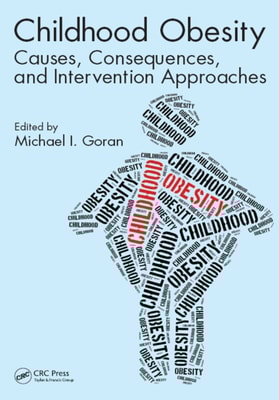
Childhood obesity has reached epidemic proportions in the United States and continues to increase in prevalence in almost all countries in which it has been studied, including developed and developing countries around the globe.
Cluster Randomised Trials, Second Edition discusses the design, conduct, and analysis of trials that randomise groups of individuals to different treatments.
All the Essentials to Start Using Adaptive Designs in No TimeCompared to traditional clinical trial designs, adaptive designs often lead to increased success rates in drug development at reduced costs and time.
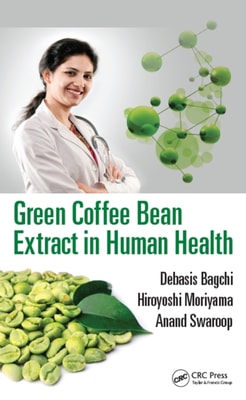
The role of green coffee bean (GCB) in human health is of emerging interest to the nutraceutical field, especially given its role in improving metabolic syndrome, including weight management, hypertension, diabetes, and neuroprotection.
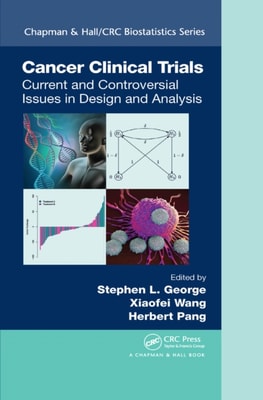
Cancer Clinical Trials: Current and Controversial Issues in Design and Analysis provides statisticians with an understanding of the critical challenges currently encountered in oncology trials.
Reliably optimizing a new treatment in humans is a critical first step in clinical evaluation since choosing a suboptimal dose or schedule may lead to failure in later trials.
Develop Effective Immunogenicity Risk Mitigation StrategiesImmunogenicity assessment is a prerequisite for the successful development of biopharmaceuticals, including safety and efficacy evaluation.
This text for advanced undergraduate and graduate students covers the fundamental relationships between the structure and properties of materials and biological tissues.
Involved in nearly every therapeutic area, particularly cancer, biomarkers have experienced tremendous advances since the first edition of this book, both in the discovery of biomarkers and in their applications.
This book addresses electron spin-qubit based quantum computing and quantum information processing with a strong focus on the background and applications to EPR/ESR technique and spectroscopy.
This book discusses the molecular, biological, pathological, and clinical aspects of melanoma, with special emphasis in the new concepts of melanoma genetics.
This text provides a comprehensive, state-of-the-art review of the application of image analysis focusing on the techniques which can be used in every biology and medical laboratory to automate procedures of cell analysis and to create statistics very useful for a comprehension of cell growth dynamics and the effects of drugs on them.
This book comprehensively covers the classification, histopathology, pathogenesis, and molecular diagnosis of vascular tumors and malformations, correlating these with current approaches to clinical management.
This volume is a concise yet comprehensive resource for physicians dealing with, and interested in, the field of molecular pathology in dermatopathology.
This book is unique in covering a wide range of design and analysis issues in genetic studies of rare variants, taking advantage of collaboration of the editors with many experts in the field through large-scale international consortia including the UK10K Project, GO-T2D and T2D-GENES.
"e;Biobetters: Protein Engineering to Approach the Curative"e; discusses the optimization of protein therapeutic products for treatment of human diseases.
This book provides a comprehensive, state-of-the art review of the genitourinary tumor pathology field and the most contemporary insights regarding specimen submission, histologic morphology, immunohistochemistry, and molecular studies useful in the diagnosis of genitourinary neoplasms.