Written by an expert for those who must design validatable cleaning processes and then validate those processes, this book discusses interdependent topics from various technical areas and disciplines.
Knowing how to deal with the regulatory issues, understanding the impacts of cleanliness, and recognizing the affect that poor facility layout will have on GMP spaces are only some of the issues an experienced Project Manager must focus on.
Contamination control in pharmaceutical clean rooms has developed from a jumble of science and engineering, knowledge of what has worked well or badly in the past, dependent upon the technology available at the time the clean room was built and subsequent technological developments.
Completely revised and updated, Pharmaceutical Experimental Design and Interpretation, Second Edition explains the major methods of experimental design and evaluation such as multivariate, sequential, and principal components analysis.
Since the last major compendium dedicated to cyclic nucleotide phosphodiesterases (PDEs) was published over 15 years ago, an enormous amount of progress has occurred in the field.
Sponsor companies and CROs alike will appreciate the industry-wide analysis, practical, how-to advice, and helpful charts and checklists provided by Outsourcing in Clinical Drug Development.
The microfluidic lab-on-a-chip allows scientists to conduct chemical and biochemical analysis in a miniaturized format so small that properties and effects are successfully enhanced, and processes seamlessly integrated.
The handling and analysis of data generated by proteomics investigations represent a challenge for computer scientists, biostatisticians, and biologists to develop tools for storing, retrieving, visualizing, and analyzing genomic data.
The Handbook of Carbohydrate Engineering provides an overview of the basic science, theory, methods, and applications of this broad, interdisciplinary field.
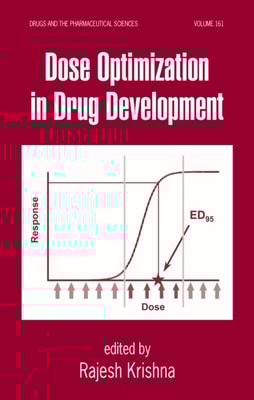
This reference provides a concise overview of the key principles in dose selection and optimization and demonstrates applicability to recent successful new drug applications.
Carefully designed for use by clinical and pharmaceutical researchers and scientists, Handbook of Regression Analysis and Modeling explores statistical methods that have been adapted into biological applications for the quickly evolving field of biostatistics.
Taking readers from the research laboratory to the bedside, this Second Edition compiles essential information on the pharmacodynamics of all major classes of the antimicrobial armamentarium including penicillins, cephalosposorins, cephamycins, carbapenems, monobactams, aminoglycosides, quinolones, macrolides, antifungals, antivirals, and emerging
The only source on the subject to offer both an overview and a disease-based approach, this reference text spans the wide array of technical, methodological, regulatory, and ethical issues related to pharmacogenetics and stresses the impact of pharmacogenetic data on patient care and management.
Offering a wide array of illustrations and tables in every chapter, this book extensively covers the principles of allosterism in reference to drug action and progresses to a detailed examination of individual ionotropic and G-protein coupled receptor systems-helping those new to the subject understand the importance of allosterism and providing th
While the genomic revolution has quickly led to the deposit of more than 30,000 structures in the protein data bank (PDB), less than one percent of those contributions represent membrane proteins despite the fact that membrane proteins constitute some 20 percent of all proteins.
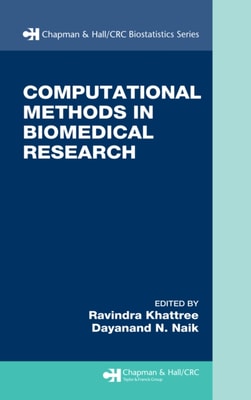
Continuing advances in biomedical research and statistical methods call for a constant stream of updated, cohesive accounts of new developments so that the methodologies can be properly implemented in the biomedical field.
Adopting a unifying theme based on maximum statistics, Multiple Comparisons Using R describes the common underlying theory of multiple comparison procedures through numerous examples.
Pharmacokinetics has evolved from its origin into a complex discipline with numerous subspecialties and applications in patient management, drug development, and regulatory issues.
Written for practitioners in both the drug and biotechnology industries, this handbook carefully compiles the current regulatory requirements to correctly and properly validate a new or modified analytical method.
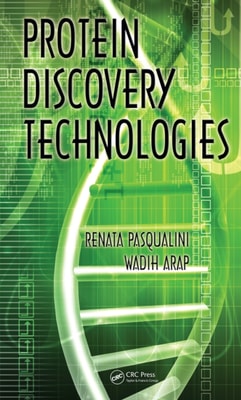
A True Insider's Guide to the Field - Then and Now Until now, there has not been a book that effectively addresses the historical basis of protein discovery.
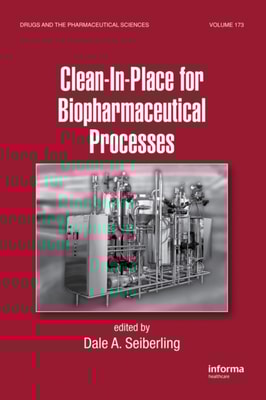
An invaluable source instruction on the principles, instrumentation, design, implementation, operation, and maintenance of an effective clean-in-place system (CIP), this guide illustrates best practices and successful applications of CIP in both pharmaceutical and biotechnology facilities.
Preeminent Experts Update a Well-Respected BookTaking into account the regulatory and scientific developments that have occurred since the second edition, Design and Analysis of Bioavailability and Bioequivalence Studies, Third Edition provides a complete presentation of the latest progress of activities and results in bioavailability and bioequiva
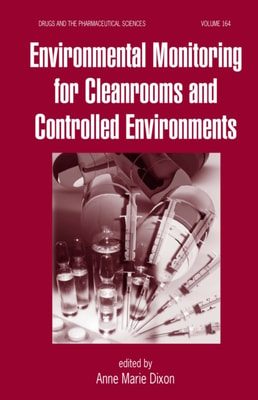
A critical technology in the science of contamination control, environmental monitoring is a technique that provides important data on the quality of a process, processing environment, and final product, which can aid scientists in identifying and eliminating potential sources of contamination in cleanrooms and controlled environments.
In the fiercely competitive pharmaceutical marketplace, your organization cannot afford to spend excess dollars developing drugs that will fail to get FDA approval or have profoundly poor characteristics.
Integrating various technologies with informational systems provides vast improvements to the overall research and development that occur in the biopharmaceutical industry.
As pharmaceutical companies strive to develop safer medicines at a lower cost, they must keep pace with the rapid growth of technology and research methodologies.
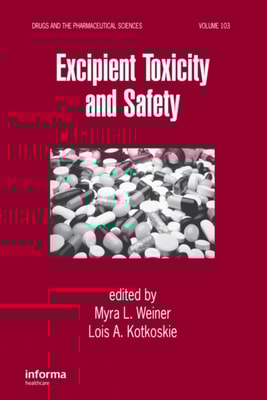
This book reviews the history, regulatory status, pharmacopeial specifications, and harmonization of pharmaceutical excipients in the United States and Europe, and provides a comprehensive understanding of the current scientific basis for safety evaluation and risk assessment.
Imaging technologies are receiving much attention in the pharmaceutical industry because of their potential for accelerating drug discovery and development.
A Single Source on Parallel Synthesis for Lead OptimizationThe end of the previous millennium saw an explosion in the application of parallel synthesis techniques for making compounds for high-throughput screening.
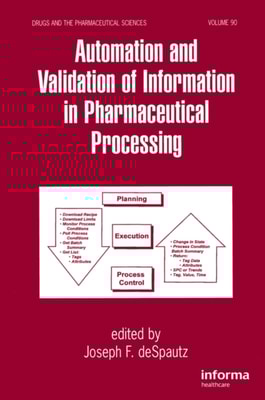
This thoroughly authoritative work furnishes organizational, technological, validation, project management, and business perspectives on pharmaceutical information automation from industry and system automation professionals-demonstrating how to fulfill computer system validation requirements for hardware, applications, networks, data center operat
Two decades after radiocarbon dating declared the Turin Shroud a mediaeval fake, brand-new historical discoveries strongly suggest that this famous cloth, with its extraordinary photographic imprint, is genuinely Christ's shroud after all.
Adequate health and health care is no longer possible without proper data supervision from modern machine learning methodologies like cluster models, neural networks, and other data mining methodologies.
This fascinating volume delves into the forefront of pharmaceutical research to shed light on the ground-breaking methodologies and technologies driving advancements in drug discovery today.
Neuropsychiatric disorders such as schizophrenia, mood disorders, Alzheimer's disease, epilepsy, alcoholism, substance abuse and others are one of the most debilitating illnesses worldwide characterizing by the complexity of the causes, and lacking the laboratory tests that may promote diagnostic and prognostic procedures.
Neuropsychiatric disorders such as schizophrenia, mood disorders, Alzheimer's disease, epilepsy, alcoholism, substance abuse and others are some of the most debilitating illnesses worldwide characterized by the complexity of causes, and lacking the laboratory tests that may promote diagnostic and prognostic procedures.