Transfusion Medicine in Practice focuses on the clinical applications of transfusion, discussing the different settings in which transfusion is carried out, including surgery, transplant, trauma, intensive care, and paediatric neonatal and obstetric cases.
This book covers the fundamental principles of fluorescence and their application to fluorescence microscopy, and presents applications to immunofluorescence, in situ hybridization, and photomicrography.
Asceptic Pharmaceutical Manufacturing II explores the sophisticated technology, developments, and applications that allow aseptic processing to approach the sterility levels achieved with terminal sterilization.
This volume informs physical therapists, occupational therapists, and rehabilitation technologists about the devices that are available today and provides important background information on these devices.
This unique workbook can be used as a stand-alone text or supplemental text for any course designed to enhance the work of radiologic technology students.
This book covers the fundamental principles of fluorescence and their application to fluorescence microscopy, and presents applications to immunofluorescence, in situ hybridization, and photomicrography.
Transfusion Medicine in Practice focuses on the clinical applications of transfusion, discussing the different settings in which transfusion is carried out, including surgery, transplant, trauma, intensive care, and paediatric neonatal and obstetric cases.
This book aims to bring to the reader an overview of different applications of brain-computer interfaces (BCIs) based on more than 20 years of experience working on these interfaces.
This book aims to bring to the reader an overview of different applications of brain-computer interfaces (BCIs) based on more than 20 years of experience working on these interfaces.
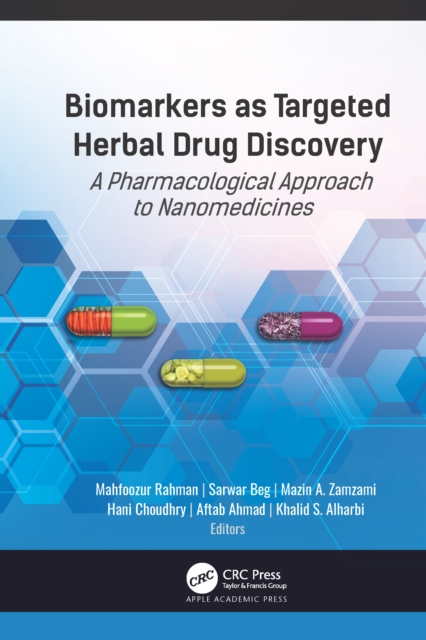
This new volume looks at the applications of biomarkers as important tools for herbal drug discovery, presenting research on phytoconstituents with advanced nanotechnological applications for healthcare benefits.
This new volume looks at the applications of biomarkers as important tools for herbal drug discovery, presenting research on phytoconstituents with advanced nanotechnological applications for healthcare benefits.
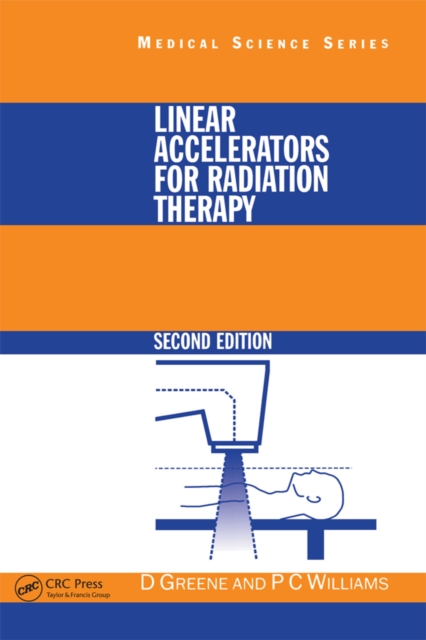
Linear Accelerators for Radiation Therapy, Second Edition focuses on the fundamentals of accelerator systems, explaining the underlying physics and the different features of these systems.
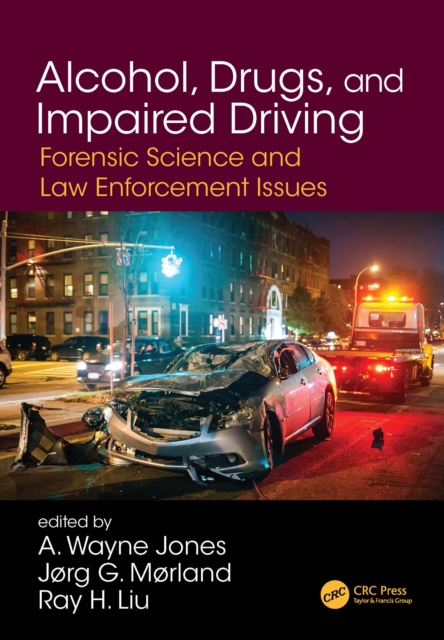
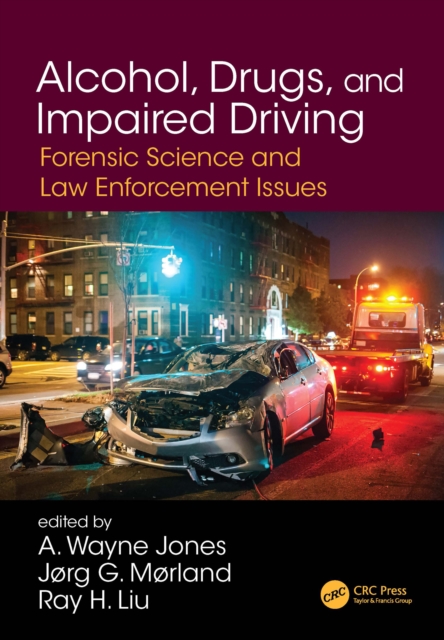
Alcohol, Drugs, and Impaired Driving addresses many theoretical and practical issues related to the role played by alcohol and other psychoactive drugs on driving performance, road-traffic safety, and public health.
Alcohol, Drugs, and Impaired Driving addresses many theoretical and practical issues related to the role played by alcohol and other psychoactive drugs on driving performance, road-traffic safety, and public health.
This volume reports the different ways in which various urban academic health centers are seeking to reposition themselves in order to protect and advance their primary missions of education, biomedical research, and sophisticated patient care.
This volume reports the different ways in which various urban academic health centers are seeking to reposition themselves in order to protect and advance their primary missions of education, biomedical research, and sophisticated patient care.
Diagnostics and Gene Therapy for Human Genetic Disorders provides an integrative and comprehensive source of information blending classical human genetics with the human genome.
In interviews with brilliant and controversial medical researchers and practitioners, David Jay Brown reveals "e;proposed solutions for what's wrong with modern medicine, ideas about reversing the aging process and suggestions that can lead to a future in which all diseases are easily curable.
The revised Tomorrow's Doctors makes it clear that doctors need to be aware of their responsibilities as scholars and scientists and it is therefore vital that students develop excellent research skills.
The revised Tomorrow's Doctors makes it clear that doctors need to be aware of their responsibilities as scholars and scientists and it is therefore vital that students develop excellent research skills.
All biomaterials and medical devices are subject to a long list of regulatory practises and policies which must be adhered to in order to receive clearance.
Nanotechnology-Enhanced Orthopedic Materials provides the latest information on the emergence and rapid development of nanotechnology and the ways it has impacted almost every aspect of biomedical engineering.
Novel Biomaterials for Bone Regeneration provides a comprehensive review of currently available biomaterials and how they can be applied in bone regeneration.
Surface modification of biomaterials can ultimately determine whether a material is accepted or rejected from the human body, and a responsive surface can further make the material "e;smart"e; and "e;intelligent"e;.
Silk is increasingly being used as a biomaterial for tissue engineering applications, as well as sutures, due to its unique mechanical and chemical properties.
Shape memory polymers (SMPs) are an emerging class of smart polymers which give scientists the ability to process the material into a permanent state and predefine a second temporary state which can be triggered by different stimuli.
Implant and device manufacturers are increasingly facing the challenge of proving that their products are safe and biocompatible, and that they will perform as expected.
Bioactive materials play an increasingly important role in the biomaterials industry, and are used for a range of applications, including artificial organs, drug delivery systems, nanomedicine, and biosensors.
With a rising population and the increasing range of textiles for medical products, the need to understand and improve medical textiles is gaining in importance.
The biomaterials sector is rapidly expanding and significant advances have been made in the technology of biomedical coatings and materials, which provide a means to improve the wear of joints, change the biological interaction between implant and host and combine the properties of various materials to improve device performance.
Wound repair is an important and growing sector of the medical industry with increasingly sophisticated biomaterials and strategies being developed to treat wounds.
Due to their biocompatibility and bioactivity, bioactive glasses are used as highly effective implant materials throughout the human body to replace or repair damaged tissue.
The first book of its kind, this reference describes current diagnostic and treatment strategies for acute and chronic heart failure in the fetus, neonate, child, and young adult-encompassing every aspect of pediatric heart failure including historical perspectives, the latest technologies in mechanical circulatory support, and recent information o
Combining the clinical expertise of internationally renowned specialists with the latest research and surgical techniques, this detailed reference guides the reader through the wide range of applications for minimally invasive surgery in urology, as well as the many diagnostic and therapeutic procedures utilizing minimally invasive technologies.