This book presents a systematic and extensive understanding about metabolic alterations affecting multiple aspects of different neurodegenerative diseases (NDDs), such as Alzheimer's, Parkinson's, Huntington's disease, SCAs, SBMA, DRPLA, ALS, Freidrich Ataxia etc.
The book, intended for biomedical researchers, attempts to foster a comprehensive understanding of the elements that impact scientific research, such as clinical trial design, communication, and publication methods.
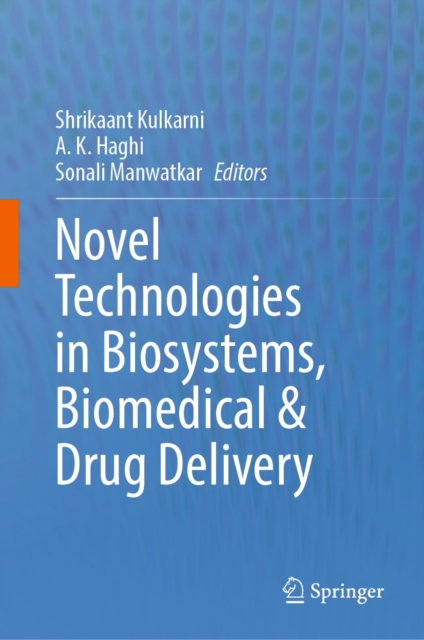
The book gives an insight into the theoretical background, conceptual understanding, latest developments, and applications in the field of pharmaceuticals in general and drug design, discovery, biosystems, and biomedical and drug delivery technologies in particular.
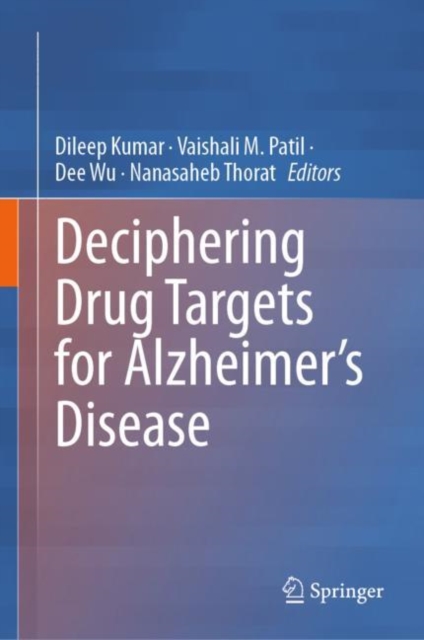
This book explains the fundamental characteristics and biofunctionality of Alzheimer's Disease drug targets and provides up-to-date information on the full range of their biomedical applications.
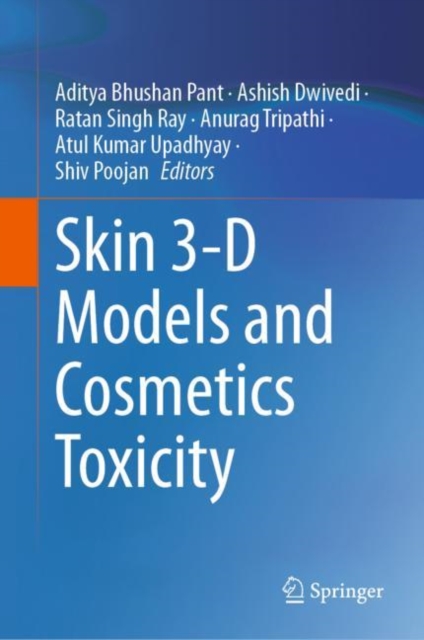
Efforts are being made by research organizations and cosmetic industries worldwide to develop more precise and targeted 3D models that mimic humans for testing cosmetic and personal health care product ingredients, following a complete ban on animal testing.
The book gives an insight into the theoretical background, conceptual understanding, latest developments, and applications in the field of pharmaceuticals in general and drug design, discovery, biosystems, and biomedical and drug delivery technologies in particular.
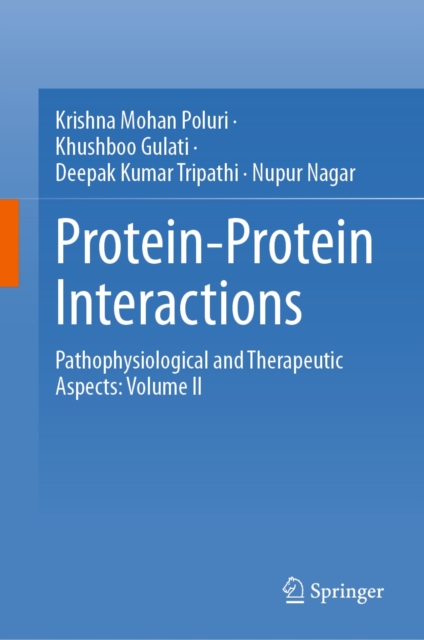
The second volume of the book-Protein-Protein Interactions (PPIs) provides an overview of various protein-protein interactions (PPIs) that are involved in various human diseases including cancer, neurodegenerative diseases, immune diseases, and inflammation.
Efforts are being made by research organizations and cosmetic industries worldwide to develop more precise and targeted 3D models that mimic humans for testing cosmetic and personal health care product ingredients, following a complete ban on animal testing.
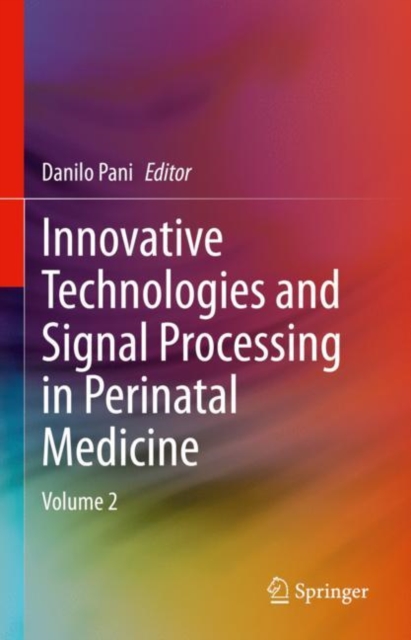
This book focuses on current and innovative technologies in perinatal medicine, specifically the period from the third trimester of pregnancy up to one month after birth.
This book explains the fundamental characteristics and biofunctionality of Alzheimer's Disease drug targets and provides up-to-date information on the full range of their biomedical applications.
The second volume of the book-Protein-Protein Interactions (PPIs) provides an overview of various protein-protein interactions (PPIs) that are involved in various human diseases including cancer, neurodegenerative diseases, immune diseases, and inflammation.
This book focuses on current and innovative technologies in perinatal medicine, specifically the period from the third trimester of pregnancy up to one month after birth.
This book presents a complete overview of COVID-19 and provides a series of in-depth analyses of the literature and a comprehensive discussion and perspectives on promising anti-SARS-CoV-2 agents based on the system of ethnopharmacology, which covers Chinese medicine, traditional medicines of India and Africa, Turkish folk medicine, essential oils, and some well-known medicinal plants.