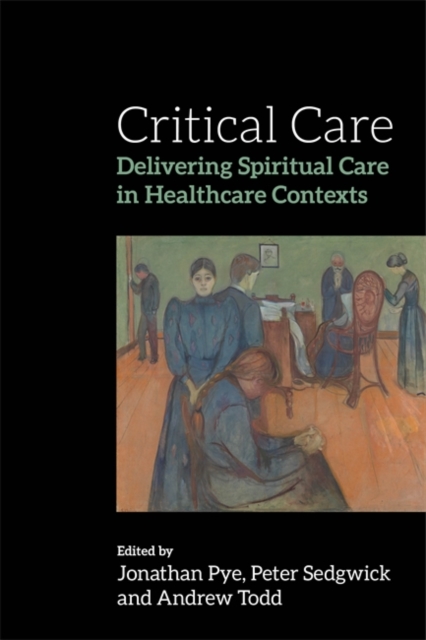
Providing a bridge between research in healthcare and spirituality and practitioner perspectives, these essays on chaplaincy in healthcare continue dialogue around constructing, negotiating and researching spiritual care and discuss the critical issues in chaplaincy work, including assisted suicide and care in children's hospices.
Bioethics Mediation offers stories about patients, families, and health care providers enmeshed in conflict as they wrestle with decisions about life and death.
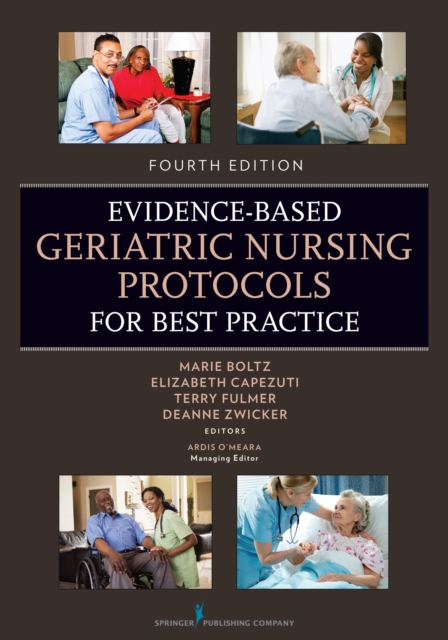
This new edition of one of the premier references for geriatric nurses in hospital, long-term, and community settings delivers current guidelines, real-life case studies, and evidence-based protocols developed by master educators and practitioners.
In Medicating Race, Anne Pollock traces the intersecting discourses of race, pharmaceuticals, and heart disease in the United States over the past century, from the founding of cardiology through the FDA's approval of BiDil, the first drug sanctioned for use in a specific race.
In Private Bodies, Public Texts, Karla FC Holloway examines instances where medical issues and information that would usually be seen as intimate, private matters are forced into the public sphere.
The Professional Guinea Pig documents the emergence of the professional research subject in Phase I clinical trials testing the safety of drugs in development.
While the creation of Dolly the sheep, the world's most famous clone, triggered an enormous amount of discussion about human cloning, in Dolly Mixtures the anthropologist Sarah Franklin looks beyond that much-rehearsed controversy to some of the other reasons why the iconic animal's birth and death were significant.
In light of scientific advances such as genomics, predictive diagnostics, genetically engineered agriculture, nuclear transfer cloning, and the manipulation of stem cells, the idea that genes carry predetermined molecular programs or blueprints is pervasive.
Embryo adoptions, stem cells capable of transforming into any cell in the human body, intra- and inter-species organ transplantation-these and other biomedical advances have unsettled ideas of what it means to be human, of when life begins and ends.
The Treatment is the story of one tragedy of medical research that stretched over eleven years and affected the lives of hundreds of people in an Ohio city.
Setting out the implications of the postmodern condition for medical ethics, Troubled Bodies challenges the contemporary paradigms of medical ethics and reconceptualizes the nature of the field.
Scientific Characters chronicles the contests over character, knowledge, trust, and truth in a politically charged scientific controversy that erupted after a 1994 Chicago Tribune headline: "e;Fraud in Breast Cancer Research: Doctor Lied on Data for Decade.
This pioneering book illustrates the ways in which an interpretive or hermeneutic stance can be incorporated into modern healthcare across clinical practice, clinical ethics, education and leadership - and the transformative effects of doing so.
This new edition of one of the premier references for geriatric nurses in hospital, long-term, and community settings delivers current guidelines, real-life case studies, and evidence-based protocols developed by master educators and practitioners.
This comprehensive and much-needed resource helps health care ethicists to meet the demand of challenges such as managed care, medical technology, and patient activism.
Recent developments in biotechnology and genetic research are raising complex ethical questions concerning the legitimate scope and limits of genetic intervention.
Spiritual Integration in Islamic Psychotherapy offers readers a profound exploration of the therapist's inner world and its impact on therapeutic practice.
Before a separate Department of Medical Humanities was formed, the editors of this volume were faculty members of the Department of Pediatrics at our medical school.
The best things in my Ufe have come to me by accident and this book results from one such accident: my having the opportunity, out of the blue, to go to work as H.
Now revised and expanded to cover today's most pressing health threats, Public Health Law and Ethics probes the legal and ethical issues at the heart of public health through an incisive selection of government reports, scholarly articles, and relevant court cases.