Now in its fourth edition, Fraud and Misconduct in Biomedical Research boasts an impressive list of contributors from around the globe and introduces a new focus for the book, transforming it from a series of monographs into a publication that will quickly become an essential textbook on all areas of research fraud and misconduct.
One of the paradoxes about psychiatry is that we have never known more about and better treated mental disorders, yet there exists so much unease about the practice of mental healthcare.
One of the paradoxes about psychiatry is that we have never known more about and better treated mental disorders, yet there exists so much unease about the practice of mental healthcare.
The Basics of Bioethics, Fourth Edition offers an easy-to-follow introduction to this dynamic field, intended for healthcare professionals, teachers, students, and anyone interested in bioethics.
The Basics of Bioethics, Fourth Edition offers an easy-to-follow introduction to this dynamic field, intended for healthcare professionals, teachers, students, and anyone interested in bioethics.
This book is for readers who wish to understand the ethical implications of the COVID-19 pandemic - holistically - on communities, politics, the economy, the environment, international relations, public health, and, most importantly, on their own lives and their own futures.
Mental health nurses need to work within the law to ensure good, legal care for their patients, while at the same time being guided by appropriate values.
None of the literature in the field of terminal care provides a full treatment of the laws, documents, and policies relating to the difficult issues arising at the end of life.
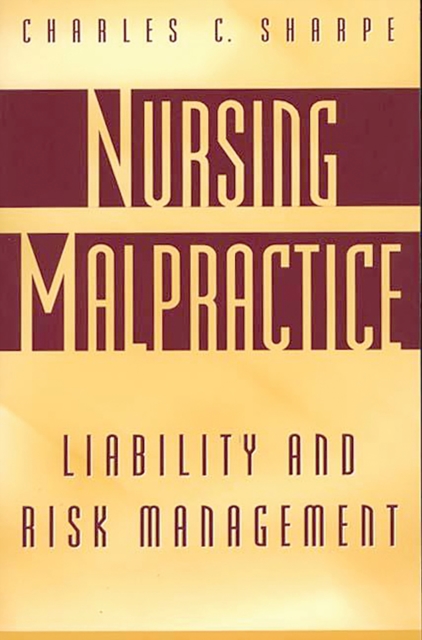
Students and professional nurses at any level of clinical practice will find this book to be a vital resource on the basic legal concepts and principles of malpractice, liability, and risk management, and their implications for the profession.
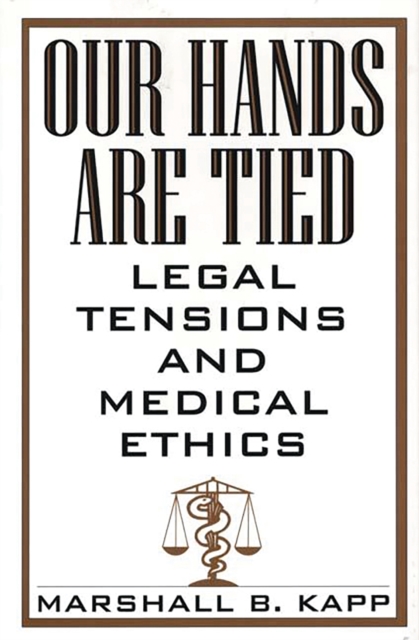
As a critical examination of the pervasive tension existing between defensive medicine and good, ethical patient care, this book investigates the impact of legalities on medical treatment.
What responsibilities, if any, do we have towards our genetic offspring, before or after birth and perhaps even before creation, merely by virtue of the genetic link?
Diane Blood first hit the headlines in 1996 when she went to court to fight for the right to use her late husband's sperm to try for the child they had planned together before his sudden death from meningitis.
In The HighPurpose Company, corporate strategist and researcher Christine Arena shows that some extraordinary companies are driven by purpose, whereas others simply pretend to be.
Natural Health Sciences: A Comprehensive Guide serves as a valuable resource for both healthcare practitioners and business professionals, supporting ongoing professional development by bridging the gap between proponents of traditional or natural health systems and those who follow scientific or medical perspectives.
For more than a century, the American medical profession insisted that doctors be rigorously trained in medical science and dedicated to professional ethics.
Because medicine can preserve life, restore health and maintain the body's functions, it is widely acknowledged as a basic good that just societies should provide for their members.
This book presents an interdisciplinary approach to definition of torture by bringing together behavioral science and international law perspectives on torture.
This book presents an interdisciplinary approach to definition of torture by bringing together behavioral science and international law perspectives on torture.
Advances in medical treatment now enable physicians to prolong life to a previously unknown extent, however in many instances these new techniques mean not the saving of life but prolonging the act of dying.
When bioethicists debate the use of technologies like surgery and pharmacology to shape our selves, they are, ultimately, debating what it means for human beings to flourish.
When bioethicists debate the use of technologies like surgery and pharmacology to shape our selves, they are, ultimately, debating what it means for human beings to flourish.