The abortifacient RU-486 was born in the laboratory, but its history has been shaped by legislators, corporate marketing executives, and protesters on both sides of the abortion debate.
Papers presented at a symposium on philosophy and medicine at the Institute for the Medical Humanities at the University of Texas Medical Branch in 1974 were published in the inaugural volume of this series.
of UB's medical school, that UB developed its School of Arts and Sciences, and thus, assumed its place among the other institutions of higher education.
The germs of the ideas in this book became implanted in me during my experience as a resident in clinical pathology at Boston University Medical Center.
Millions of children have been born in the United States with the help of cutting-edge reproductive technologies, much to the delight of their parents.
The cadaver industry in Britain and the United States, its processes and profits Except for organ transplantation little is known about the variety of stuff extracted from corpses and repurposed for medicine.
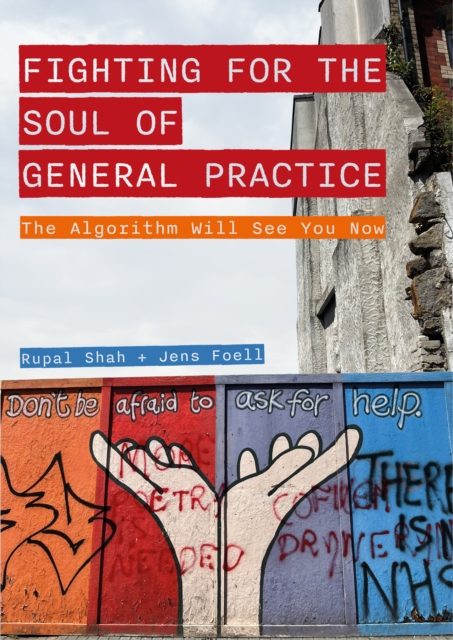
This collection of stories from two practising GPs describes the reality of working within a failing and highly bureaucratic system, where there is a balancing act: regulation versus relationships; autonomy versus standard practice; algorithm versus individual attention.
A theoretical account of moral revolutions, illustrated by historical cases that include the criminalization and decriminalization of abortion and the patient rebellion against medical paternalism.
An examination of the ethical issues raised by the possibility of human life extension, including its desirability, unequal access, and the threat of overpopulation.
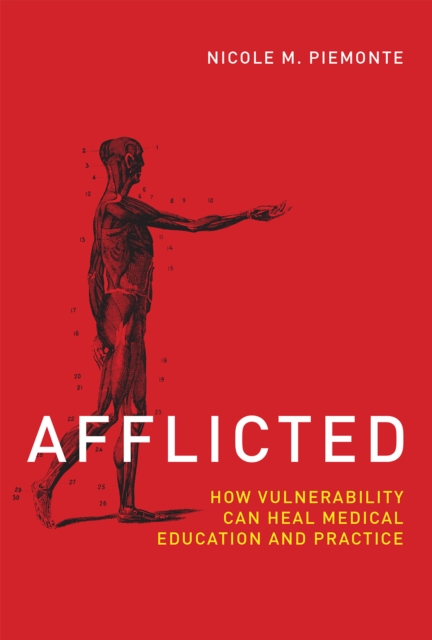
How medical education and practice can move beyond a narrow focus on biological intervention to recognize the lived experiences of illness, suffering, and death.
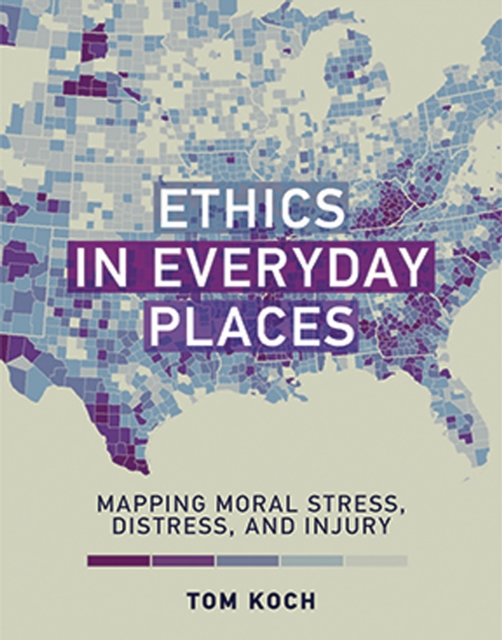
An exploration of moral stress, distress, and injuries inherent in modern society through the maps that pervade academic and public communications worlds.
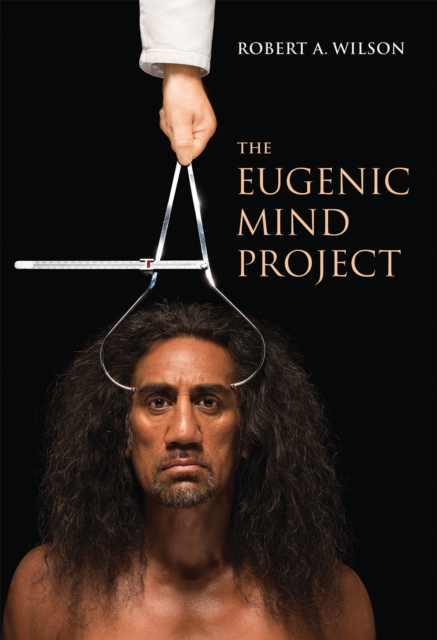
An examination of eugenic thinking past and present, from forced sterilization to prenatal screening, drawing on experience with those who survived eugenics.
An analysis of current biomedical research misconduct policy that proposes a new approach emphasizing the context of misconduct and improved oversight.
A philosopher argues there is an ethical imperative to provide psychotherapy to depressed patients because the insights gained from it promote autonomy.
The Human Genome Project is an expensive, ambitious, and controversial attempt to locate and map every one of the approximately 100,000 genes in the human body.
The Psychology of Eating is the essential multidisciplinary introduction to the psychology of eating, looking at the biological, genetic, developmental, and social determinants of how humans find and assimilate food.
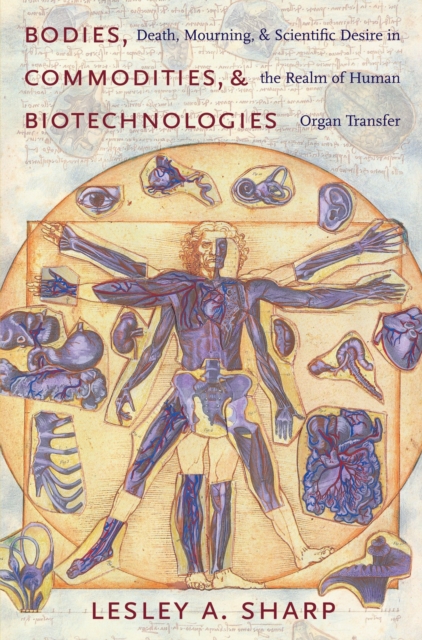
In the United States today, the human body defines a lucrative site of reusable parts, ranging from whole organs to minuscule and even microscopic tissues.
Medical confidentiality is an essential cornerstone of effective public health systems, and for centuries societies have struggled to maintain the illusion of absolute privacy.
Due to the changing nature of the practice of pharmacy, today's pharmacists, pharmaceutical scientists, and researchers are faced with an increasing amount of ethical dilemmas.
Oocyte cryopreservation entails important potential advantages for humanIVF, offering a less ethically disputable alternative to embryo cryopreservation,simplifying and making safer oocyte donation, and giving an opportunity forfertility preservation to women at risk of premature ovarian failure as an effectof genetic factors or chemo- or radiotherapies.