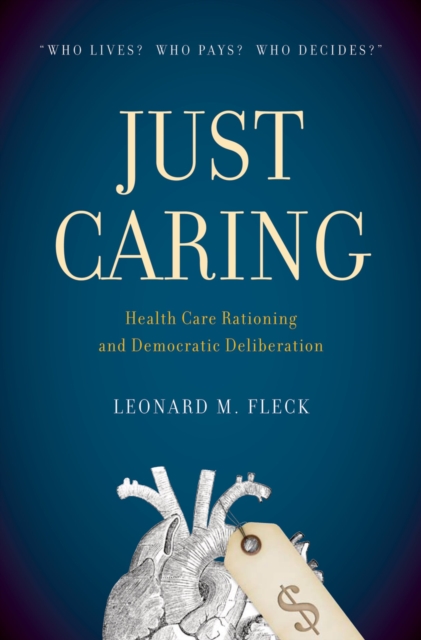
The central idea for this book is that we lack consensus on principles for allocating resources and in the absence of such a consensus we must rely on a fair decision-making process for setting limits on health care.
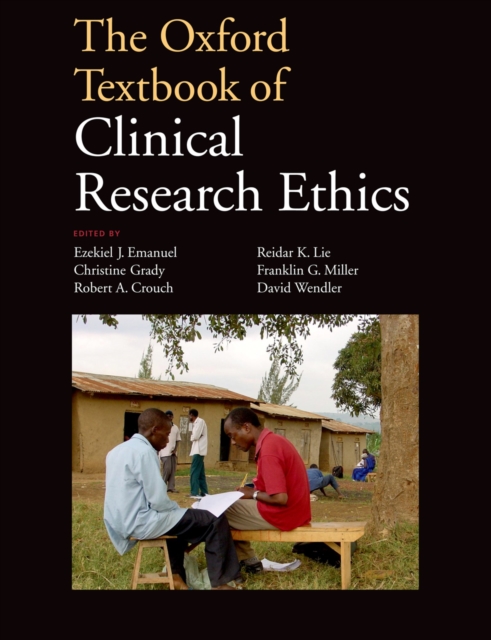
Millions of people each year decide to participate in clinical trials--medical research studies involving an innovative treatment for a medical problem.
This is a lucid, readable discussion of ethical questions in health care as they arise on the business or organizational level: an effort to spell out an ethical perspective for healthcare organizations.
The first textbook on the subject, this is a practical, clinically comprehensive guide to ethical issues in surgical practice, research, and education written by some of the most prominent figures in the fields of surgery and bioethics.
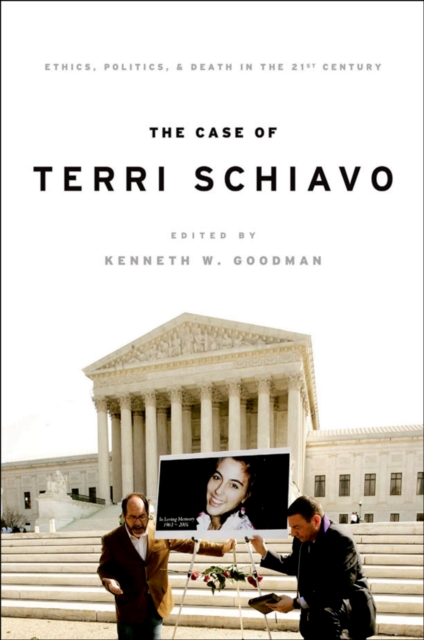
The case of Terri Schiavo, a young woman who spent 15 years in a persistent vegetative state, has emerged as a watershed in debates over end-of-life care.
The lack of trust in our healthcare system brings ominous results, from decreasing health outcomes to increasing costs, from organization inefficiencies to a pervasive pattern of litigation.
Medical ethics changed dramatically in the past 30 years because physicians and humanists actively engaged each other in discussions that sometimes led to confrontation and controversy, but usually have improved the quality of medical decision-making.
This volume reviews the state of the art in caring for patients dying in the ICU, focusing on both clinical aspects of managing pain and other symptoms, as well as ethical and societal issues that affect the standards of care received.
In this volume Allen Buchanan collects ten of his most influential essays on justice and healthcare and connects the concerns of bioethicists with those of political philosophers, focusing not just on the question of which principles of justice in healthcare ought to be implemented, but also on the question of the legitimacy of institutions through which they are implemented.
Most mental health professionals and behavioral scientists enter the field with a strong desire to help others, but clinical practice and research endeavors often involve decision-making in the context of ethical ambiguity.
Over the last several decades, bioethicists have championed a bewildering variety of methods for understanding and resolving difficult ethical problems in medicine, including: principlism, wide reflective equilibrium, casuistry, feminism, virtue theory, narrative, and others.
An updated and expanded successor to Culver and Gert's Philosophy in Medicine, this book integrates moral philosophy with clinical medicine to present a comprehensive summary of the theory, concepts, and lines of reasoning underlying the field of bioethics.
Stem cell therapy is ushering in a new era of medicine in which we will be able to repair human organs and tissue at their most fundamental level- that of the cell.
While surveys show that most of us would prefer to die at home, 80% of us will die in a health care facility, many hooked up to machines and faced with tough decisions.
This book provides a multi-disciplinary framework for developing and analyzing health sector reforms, based on the authors' extensive international experience.
In bioethics, discussions of justice have tended to focus on questions of fairness in access to health care: is there a right to medical treatment, and how should priorities be set when medical resources are scarce.
In this pioneering work, Abdulaziz Sachedina - a scholar with life-long academic training in Islamic law - relates classic Muslim religious values to the new ethical challenges that arise from medical research and practice.
Since the early 2000s, the field of Responsible Conduct of Research has become widely recognized as essential to scientific education, investigation, and training.