The Oxford Specialist Handbooks series provides readers with clear, concise information on all that is needed to successfully train in the medical sub-specialties.
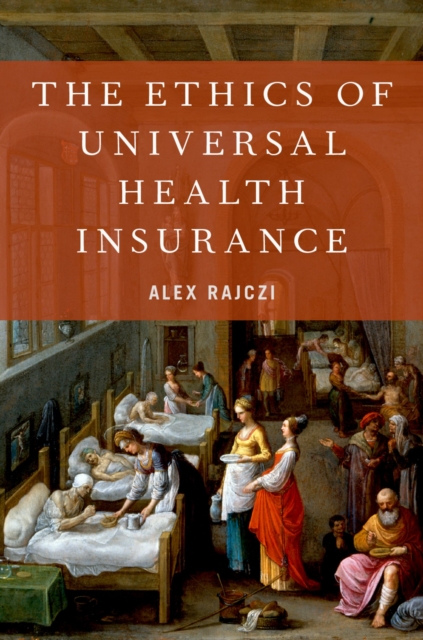
In the last fifty years, average overall health status has increased more or less in parallel with a much celebrated decline in mortality, attributed mostly to poverty reduction, sanitation, nutrition, housing, immunization, and improved medical care.
The goals of healthcare and health policy, and the health-related dilemmas facing policy makers, professionals, and citizens are extensively analysed and debated in a range of disciplines including public health, sociology, and applied philosophy.
Akira Akabayashi presents the first book to explore the conversation on bioethics that is taking place between scholars and practitioners from the East and West: the first book in the discipline of bioethics for the globalized world of the future.
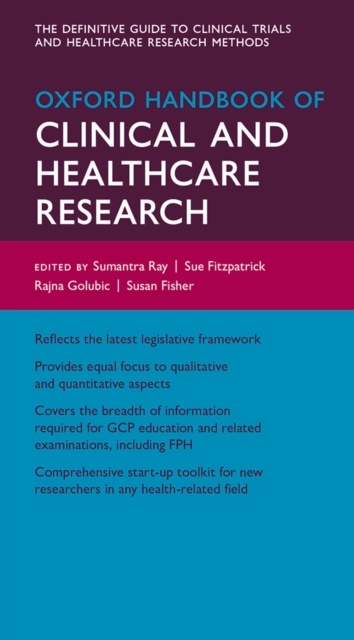
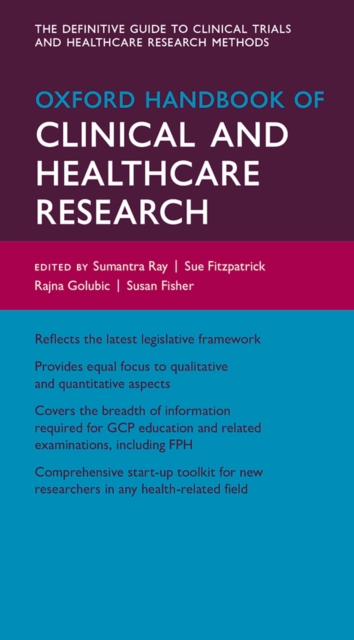
The Oxford Handbook of Clinical and Healthcare Research is an evidence-based, succinct, and easy-to-use reference for the full range of clinical and healthcare research topics.
The relationship between spirituality and healthcare is historical, intellectual and practical, and it has now emerged as a significant field in health research, healthcare policy and clinical practice and training.
Succeeding at a clinical interview is a critical hurdle you will face throughout your training requiring you to demonstrate confidence, professionalism, and strong communication skills.
Succeeding at a clinical interview is a critical hurdle you will face throughout your training requiring you to demonstrate confidence, professionalism, and strong communication skills.
A Medic's Guide to Essential Legal Matters offers practitioners highly practical advice on the legal principles which they need to apply to everyday clinical practice.
A Medic's Guide to Essential Legal Matters offers practitioners highly practical advice on the legal principles which they need to apply to everyday clinical practice.
Much recent thought on the ethics of new biomedical technologies, and work in ethics and political philosophy more generally, is committed to hidden and contestable views about the nature of biological reality.
The Oxford Handbook of Clinical and Healthcare Research is an evidence-based, succinct, and easy-to-use reference for the full range of clinical and healthcare research topics.
Conscience in Reproductive Health Care responds to the growing worldwide trend of health care professionals conscientiously refusing to provide abortions and similar reproductive health services in countries where these services are legal and professionally accepted.
Embryonic stem cell research holds unique promise for developing therapies for currently incurable diseases and conditions, and for important biomedical research.
Embryonic stem cell research holds unique promise for developing therapies for currently incurable diseases and conditions, and for important biomedical research.
There is a vast literature on what has often been called the doctor-patient relationship, patient-provider interaction, therapist-patient encounter, and such like.
Over the past decade health care systems around the world have placed increasing importance on the relationship between patient choice and clinical decision-making.
Much recent thought on the ethics of new biomedical technologies, and work in ethics and political philosophy more generally, is committed to hidden and contestable views about the nature of biological reality.
There is a vast literature on what has often been called the doctor-patient relationship, patient-provider interaction, therapist-patient encounter, and such like.
A book for nurses, doctors and all who provide end of life care, this essential volume guides readers through the ethical complexities of such care, including current policy initiatives, and encourages debate and discussion on their controversial aspects.
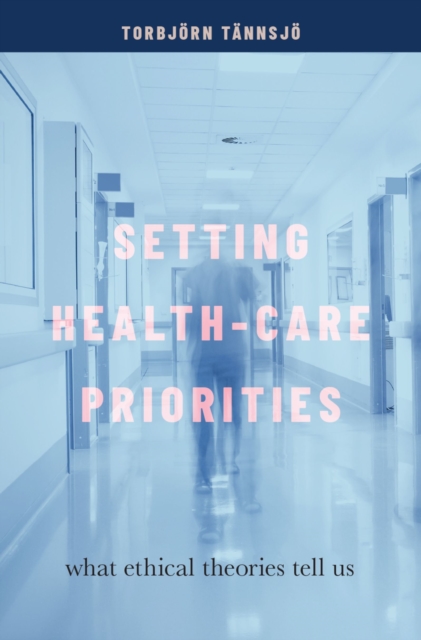
With much of the world's population facing restricted access to adequate medical care, how to allocate scarce health-care resources is a pressing question for governments, hospitals, and individuals.
With much of the world's population facing restricted access to adequate medical care, how to allocate scarce health-care resources is a pressing question for governments, hospitals, and individuals.