This book explores, through case studies, the interplay between religion, culture, government, and politics in diverse societies on questions arising in the domain of bioethics.
This volume - for pharmacologists, systems biologists, philosophers and historians of medicine - points to investigate new avenues in pharmacology research, by providing a full assessment of the premises underlying a radical shift in the pharmacology paradigm.
This interdisciplinary volume gathers selected, refereed contributions on various aspects of public health from several disciplines and research fields, including the philosophy of science, epidemiology, statistics and ethics.
Hypnosystemische Therapie, Beratung, Supervision, Coaching - interessante einführende Artikel und Erfahrungsberichte von Experten zum Thema Konzepte und Methoden aus dem Bereich hypnotherapeutischer und systemischer Methoden.
This book fills an important gap in existing health care ethics literature by describing an egalitarian conception of moral respect which applies to autonomous and non-autonomous patients alike.
Examining Georges Canguilhem's enduring attention to the problem of error, from his early writings to Michel Foucault's first major responses to his work, this pathbreaking book shows that the historian of science was also a centrally important philosopher in postwar France.
Le temoignage interpellant d'un medecin de campagne qui, apres plus de quarante annees au service de ses malades, a effraye par ses travaux et ses prises de position le microcosme parisien ordinal, ce qui lui a valu d'etre interdit d'exercer.
A biography of the author's background which provides insight into his training in medicine and his opinions on the concepts and training that are necessary to be a good doctor.
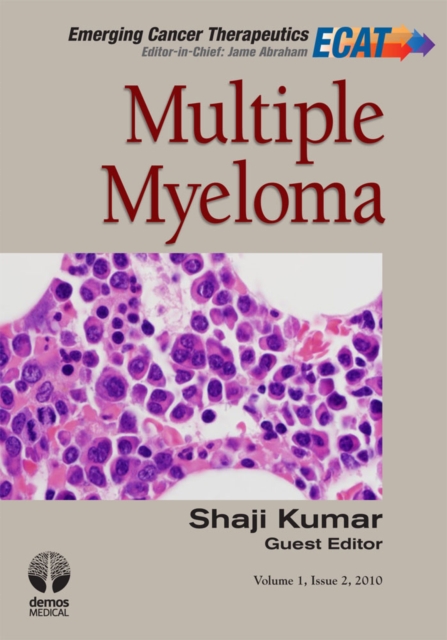
Multiple Myeloma: The second issue of Emerging Cancer Therapeutics focuses on multiple myelomas also known as plasma cell myeloma, KahlerIs Disease and myelomatosis.
The world of healthcare is constantly evolving, ever increasing in complexity, costs, and stakeholders, and presenting huge challenges to policy making, decision making and system design.
A collection of life experiences, anecdotes and suggestions from an experienced GP and GP trainer focusing on the emotional intelligence required to be a great GP.
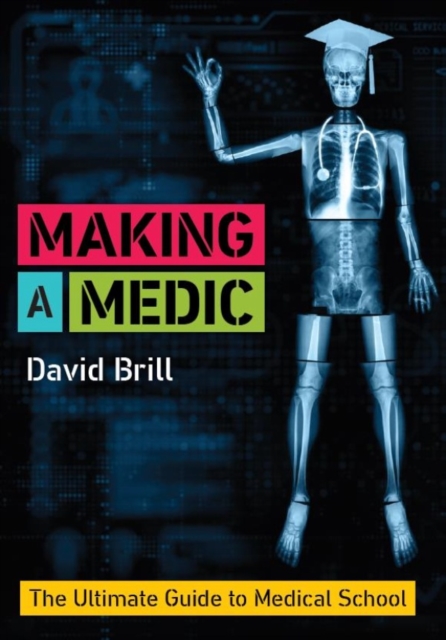
Making a Medic is a comprehensive guide to everything you need to know in order to succeed at medical school, including:how to study effectively (and still have time for fun!
A complete guide to preparing for your CST and ST1/ST3Surgical training is highly competitive and requires preparation, dedication and an understanding of the principles of selection.
The MRCPCH clinical examination assesses whether candidates have reached the standard in clinical skills expected of a newly appointed specialist registrar, while the DCH recognises the competence of GPs and other health professionals in caring for children.
Drawing on key international reports and input from leading healthcare practitioners and educators worldwide, this ground-breaking book closely examines the real issues facing medicine and medical education.
The importance of learning in the workplace has long been recognised in clinical education, however the twin demands of the explosion in clinical knowledge and the changing dynamics of the clinical workplace have exposed the shortcomings of existing clinical learning practices and understandings of clinical learning in the workplace.
In this ground-breaking new work, Patrick J McEvoy connects with healthcare professionals, patients and illness to presenting an entirely new way to address chronic disease management.
The Fourth Edition of this bestselling, highly regarded book has been fully revised to incorporate changes in law and clinical guidance making a vital impact on patient management, encompassing: .