Questions of the social implications of biotechnology and biological exchange (the extraction of human tissues such as blood, skin and organs for testing, storage and/or distribution for therapeutic or research purposes) have recently been brought strongly to the analytical fore across the social sciences.
Questions of the social implications of biotechnology and biological exchange (the extraction of human tissues such as blood, skin and organs for testing, storage and/or distribution for therapeutic or research purposes) have recently been brought strongly to the analytical fore across the social sciences.
Promoting Youth Sexual Health, written for preventionists and interventionists who work with children and adolescents across home, school, or community settings, offers guidance on how to promote sexual health among youth.
Promoting Youth Sexual Health, written for preventionists and interventionists who work with children and adolescents across home, school, or community settings, offers guidance on how to promote sexual health among youth.
The field of the medical humanities is developing rapidly, however, there has also been parallel concern from sceptics that the value of medical humanities educational interventions should be open to scrutiny and evidence.
The field of the medical humanities is developing rapidly, however, there has also been parallel concern from sceptics that the value of medical humanities educational interventions should be open to scrutiny and evidence.
Despite sustained debate and progress the evolving thing that is evidence based nursing or practice (EBP) continues to dangle a variety of conceptual and practical loose threads.
Despite sustained debate and progress the evolving thing that is evidence based nursing or practice (EBP) continues to dangle a variety of conceptual and practical loose threads.
Recent studies into the experiences and failures of health care services, along with the rapid development of patient advocacy, consumerism and pressure groups have led historians and social scientists to engage with the issue of the medical complaint.
Recent studies into the experiences and failures of health care services, along with the rapid development of patient advocacy, consumerism and pressure groups have led historians and social scientists to engage with the issue of the medical complaint.
This book examines the rehabilitation of language disorders in adults, presenting new research, as well as expert insights and perspectives, into this area.
This book examines the rehabilitation of language disorders in adults, presenting new research, as well as expert insights and perspectives, into this area.
This book examines the United States as a destination for international consumers of assisted fertility services, including egg donation, surrogacy, and sex selection.
Person-centred health care is increasingly endorsed as a key element of high-quality care, yet, in practice, it often means patient-centred health care.
Person-centred health care is increasingly endorsed as a key element of high-quality care, yet, in practice, it often means patient-centred health care.
Decisions to withdraw or withhold life-sustaining treatment are contentious, and offer difficult moral dilemmas to both medical practitioners and the judiciary.
Decisions to withdraw or withhold life-sustaining treatment are contentious, and offer difficult moral dilemmas to both medical practitioners and the judiciary.
The 14 chapters in Ethics at the End of Life: New Issues and Arguments, all published here for the first time, focus on recent thinking in this important area, helping initiate issues and lines of argument that have not been explored previously.
The 14 chapters in Ethics at the End of Life: New Issues and Arguments, all published here for the first time, focus on recent thinking in this important area, helping initiate issues and lines of argument that have not been explored previously.
Neurotechnology and Direct Brain Communication focuses on recent neuroscientific investigations of infant brains and of patients with disorders of consciousness (DOC), both of which are at the forefront of contemporary neuroscience.
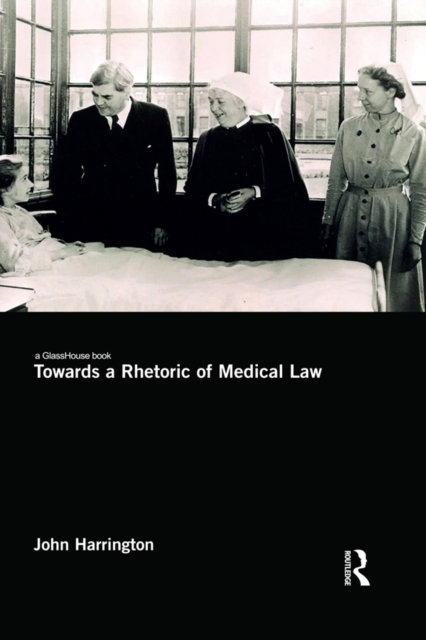
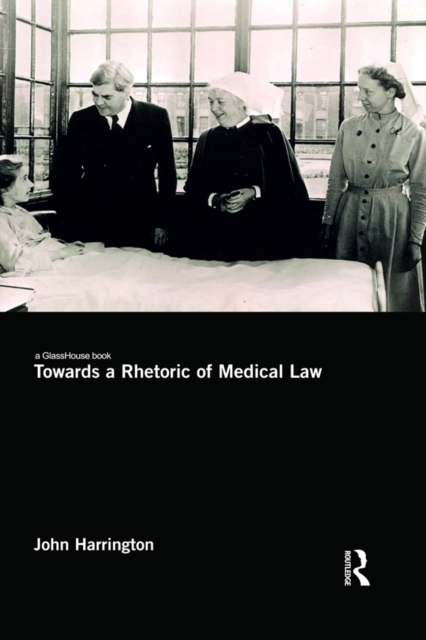
Challenging the dominant account of medical law as normatively and conceptually subordinate to medical or bioethics, this book provides an innovative account of medical law as a rhetorical practice.
Challenging the dominant account of medical law as normatively and conceptually subordinate to medical or bioethics, this book provides an innovative account of medical law as a rhetorical practice.
This book is a critical response to a range of problems - some theoretical, others empirical - that shape questions surrounding the lived experience of suffering.
"e;Ethical Choices in Contemporary Medicine"e; jettisons the standard medical ethics models of "e;rights"e; language and shows how the bioethical problems that receive attention from the media and the public are related to and are explicable in terms of the epistemological foundations of science and medicine.
"e;Ethical Choices in Contemporary Medicine"e; jettisons the standard medical ethics models of "e;rights"e; language and shows how the bioethical problems that receive attention from the media and the public are related to and are explicable in terms of the epistemological foundations of science and medicine.
Pragmatic Children's Nursing is the first attempt to create a paediatric nursing theory which argues for the importance of giving children living with illness access to a childhood which is, as far as possible, equal to that of their peers.
Pragmatic Children's Nursing is the first attempt to create a paediatric nursing theory which argues for the importance of giving children living with illness access to a childhood which is, as far as possible, equal to that of their peers.
Revolutionary advances in biomedical research and information systems technology pose new and difficult issues for American health care policy, especially in the context of managed care.
Revolutionary advances in biomedical research and information systems technology pose new and difficult issues for American health care policy, especially in the context of managed care.
As our global demographic shifts towards an increasingly aging population, we have an opportunity to transform how we experience and think about getting older and embrace the diversity and contribution that this population can bring to society.
As our global demographic shifts towards an increasingly aging population, we have an opportunity to transform how we experience and think about getting older and embrace the diversity and contribution that this population can bring to society.