The development and rapid implementation of molecular genotyping methods have re- lutionized the possibility for differentiation and classification of microorganisms at the subspecies level.
This book seeks to better understand the meaning and implications of the UKs calamitous encounter with the COVID-19 global pandemic for the future of British neoliberalism.
This third edition volume expands on the previous editions with updated chapters on longitudinal studies, randomized trials, evidence-based decisions making, and a new section on changing health-related behaviors.
Las aflatoxinas son metabolitos toxicos producidos por algunas especies de Aspergillus, que contaminan cultivos de cereales, semillas o oleaginosas y de algodon, nueces, especias y frutos secos, bajo condiciones particulares de temperatura y humedad, en campo y/o almacenamiento.
Psychology of Behavioural Interventions and Pandemic Control is a unique text that examines the COVID-19 pandemic in relation to population risk factors and the efficacy of non-pharmaceutical interventions deployed by many governments around the world to bring the pandemic under control.
Enteric pathogenic viruses are a major challenge in public health, as they represent a major concern with a severe global impact to the economy, commerce, and health systems.
Enteric pathogenic viruses are a major challenge in public health, as they represent a major concern with a severe global impact to the economy, commerce, and health systems.
This book provides clinicians with the information needed to effectively interpret the literature from observational and interventional cardiovascular outcomes studies.
The "e;Integrated Science of Global Epidemics"e; is the new proposed volume of Integrated Science Book series, aiming to publish the results of the most updated ideas and reviews on Global Epidemics.
As doctors and biologists have learned, to their dismay, infectious disease is a moving target: new diseases emerge every year, old diseases evolve into new forms, and ecological and socioeconomic upheavals change the transmission pathways by which disease spread.
The "e;Integrated Science of Global Epidemics"e; is the new proposed volume of Integrated Science Book series, aiming to publish the results of the most updated ideas and reviews on Global Epidemics.
Handbook for Clinical Trials of Imaging and Image-Guided Interventions is the first single-source, multi-disciplinary reference, based on the didactic sessions presented at the annual Clinical Trials Methodology Workshop for radiologists, radiation oncologists and imaging scientists (sponsored by the Radiological Society of North America (RSNA)).
Handbook on the Toxicology of Metals, Fifth Edition, Volume I: General Considerations is the first volume of a two-volume work that gives an overview and covers topics of general importance including reviews of various health effects of trace metals.
Beginning with a survey of fundamental concepts associated with data integration, knowledge representation, and hypothesis generation from heterogeneous data sets, Methods in Biomedical Informatics provides a practical survey of methodologies used in biological, clinical, and public health contexts.
This title critically reviews old and new literature, help to create greater awareness of the disease in the US and helps in the evaluation of certain epidemiological and public health issues.
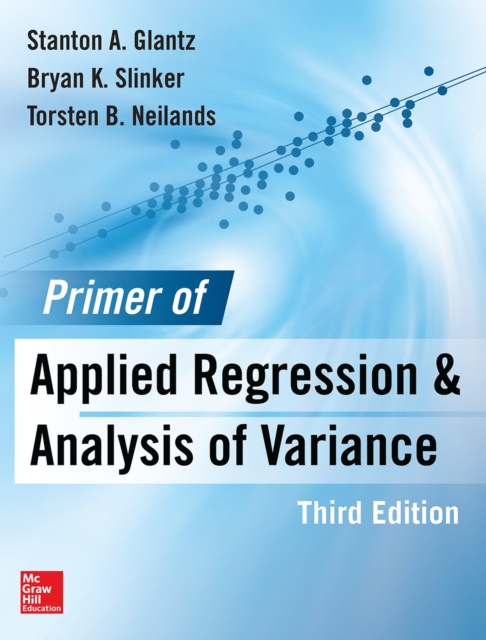
A textbook on the use of advanced statistical methods in healthcare sciencesPrimer of Applied Regression & Analysis of Variance is a textbook especially created for medical, public health, and social and environmental science students who need applied (not theoretical) training in the use of statistical methods.
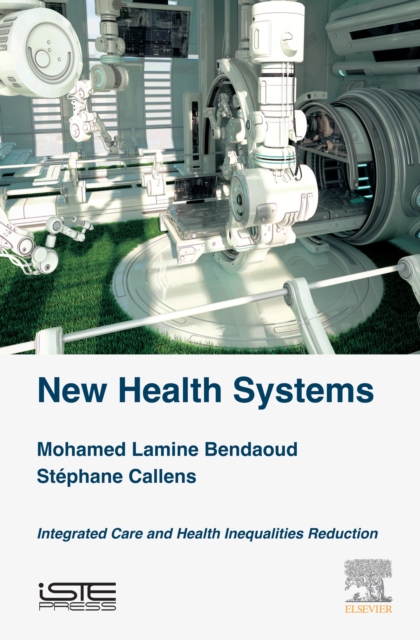
New health systems exist today thanks to the changing nature of diseases as a result of the integration of new technologies and new approaches in care giving and the management of healthcare systems.
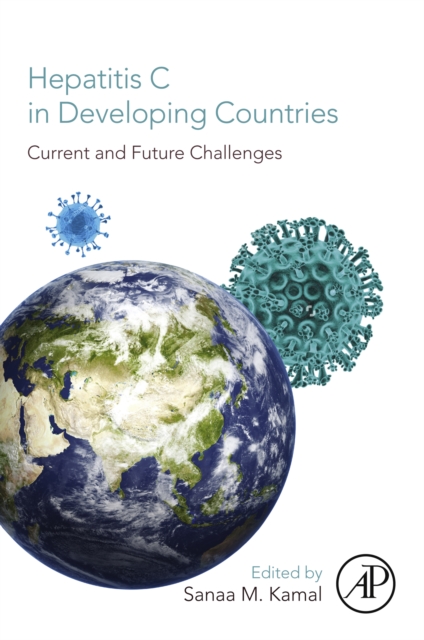
Hepatitis C in Developing Countries: Current and Future Challenges explores the current state of HCV in several countries, including Africa, Asia and South America.
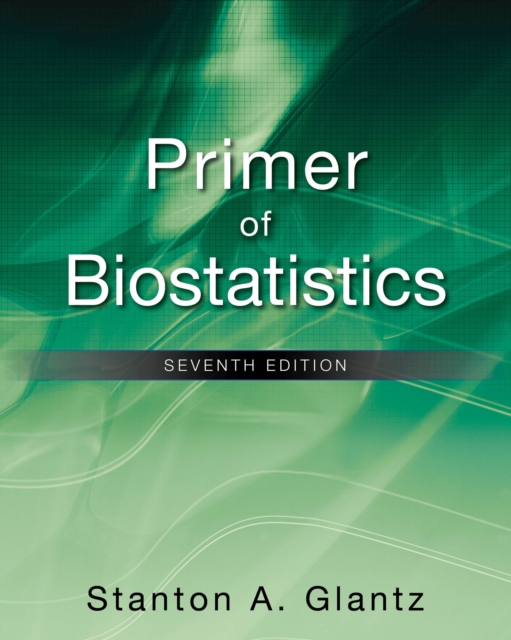
A concise, engagingly written introduction to understanding statistics as they apply to medicine and the life sciencesDon't be afraid of biostatistics anymore!
GET FULLY UP-TO-DATE ON BIOINFORMATICS-THE TECHNOLOGY OF THE 21ST CENTURYBioinformatics showcases the latest developments in the field along with all the foundational information you'll need.
Bioinformatics for Beginners: Genes, Genomes, Molecular Evolution, Databases and Analytical Tools provides a coherent and friendly treatment of bioinformatics for any student or scientist within biology who has not routinely performed bioinformatic analysis.
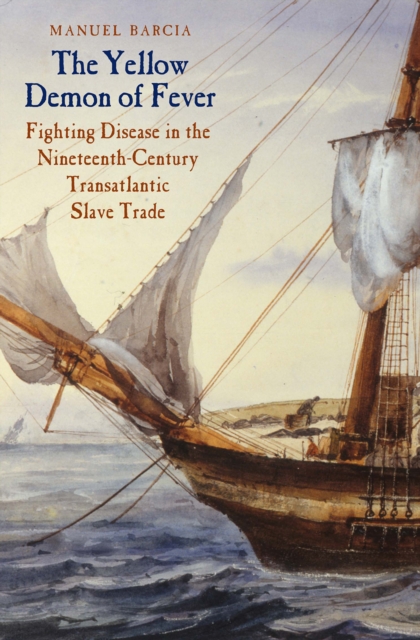
A pathbreaking history of how participants in the slave trade influenced the growth and dissemination of medical knowledge As the slave trade brought Europeans, Africans, and Americans into contact, diseases were traded along with human lives.
COVID-19 in the Environment: Impact, Concerns, and Management of Coronavirus highlights the research and technology addressing COVID-19 in the environment, including the associated fate, transport, and disposal.
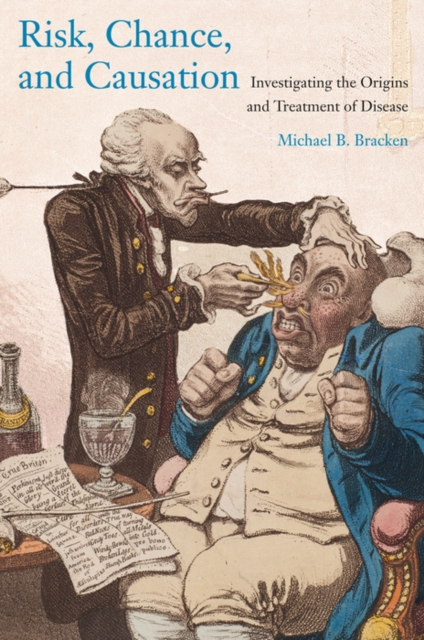
A noted clinical epidemiologist shows how evidence-based medicine can help us understand and assess news about health risks, cures, and treatment “breakthroughs” The press and other media constantly report news stories about dangerous chemicals in the environment, miracle cures, the safety of therapeutic treatments, and potential cancer-causing agents.
An invaluable resource for health professionals and students engaged in research, this thoroughly updated edition provides a guide to the major measures of health and functioning.
Using an evidence-based, critical, population health approach, this book provides a comprehensive analysis of the key errors and most effective interventions to contain the COVID-19 pandemic.
Globally, HIV-associated tuberculosis is one of the most important causes of infection-related death, accounting for one in every three HIV deaths and over 300,000 in 2017 alone.
This book allows readers to gain an in-depth understanding of the role of real-world data in pharmacoepidemiology, and highlights the strengths and limitations of the respective databases with regard to pharmacoepidemiological research.