The DNP Professional: Translating Value from Classroom to Practice is a collection of exemplars from DNP (Doctor of Nursing Practice) -prepared experts across various advanced practice nursing roles and settings.
Originally published in 1931, Nursing Psychological Patients was 'a book written by a nurse for the purpose of increasing the interest of members of the nursing profession in psychological diseases, by pointing out that they require the nurses' serious attention and offer an important field for professional skill.
Originally published in 1931, Nursing Psychological Patients was 'a book written by a nurse for the purpose of increasing the interest of members of the nursing profession in psychological diseases, by pointing out that they require the nurses' serious attention and offer an important field for professional skill.
Competencies for Advanced Nursing Practice is the first and definitive book to deliver guidance for practitioners working to be recognized for their advanced nursing practice.
Perspectives on Rehabilitation and Dementia offers new insights into the application of a well-established approach and set of skills to a group of people who have traditionally been thought not to benefit from them.
Perspectives on Rehabilitation and Dementia offers new insights into the application of a well-established approach and set of skills to a group of people who have traditionally been thought not to benefit from them.
This practical textbook uses case studies to highlight how emotional labour can arise and be managed in a range of settings where children's nurses work.
This practical textbook uses case studies to highlight how emotional labour can arise and be managed in a range of settings where children's nurses work.
In this thought-provoking text, a collection of respected authors with a wealth of academic and practice experience come together to challenge some of the prevailing ideas serving as the foundation for the current child and adolescent mental health services (CAMHS) structure.
In this thought-provoking text, a collection of respected authors with a wealth of academic and practice experience come together to challenge some of the prevailing ideas serving as the foundation for the current child and adolescent mental health services (CAMHS) structure.
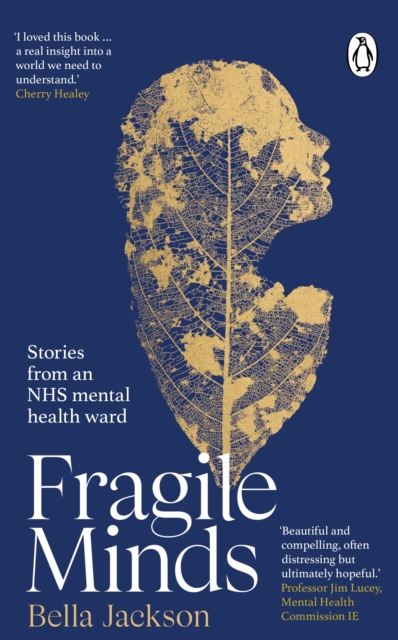
Beautifully wrought and staggeringly urgent , Fragile Minds documents Bella Jackson's time as a trainee mental health nurse, and the devastation and hope she encountered in winding corridors and behind locked doors.
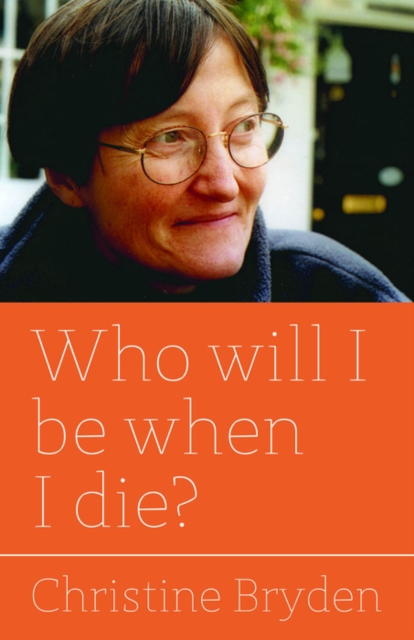
Christine Bryden was 46 years old when she was diagnosed with dementia, and in this book she describes her remarkable emotional, physical and spiritual journey in the three years immediately following.
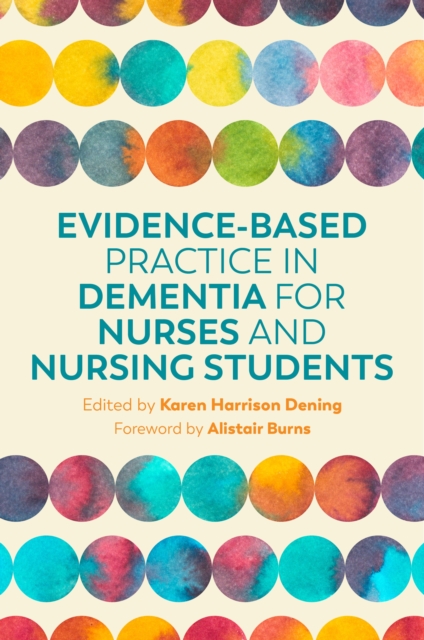
This essential textbook on dementia care introduces the knowledge that nurses need, including the evidence base for practice and the guidance to transfer this newly acquired knowledge into everyday practice.
This essential textbook on dementia care introduces the knowledge that nurses need, including the evidence base for practice and the guidance to transfer this newly acquired knowledge into everyday practice.
Christine Bryden was 46 years old when she was diagnosed with dementia, and in this book she describes her remarkable emotional, physical and spiritual journey in the three years immediately following.
The QCS Pool Activity Level (PAL) Instrument is widely used as the framework for providing activity-based care for people with cognitive impairments, including dementia.
The QCS Pool Activity Level (PAL) Instrument is widely used as the framework for providing activity-based care for people with cognitive impairments, including dementia.
Person-centred practices are a key way to provide the best possible care and support for older people and help them to be active and valued members of the community.
The award-winning PEARL (Positively Enriching and enhancing Residents' Lives) programme was developed to enable care homes to move from providing good fundamental care to excellent person-centred dementia care.
Person-centred practices are a key way to provide the best possible care and support for older people and help them to be active and valued members of the community.
The award-winning PEARL (Positively Enriching and enhancing Residents' Lives) programme was developed to enable care homes to move from providing good fundamental care to excellent person-centred dementia care.
Exploring both principles and best practice of the spiritual care of sick children and young people, this remarkable and inspiring book equips the reader to think critically and creatively about how to provide care in hospitals, hospices and other care contexts for ill and disabled children.
Exploring both principles and best practice of the spiritual care of sick children and young people, this remarkable and inspiring book equips the reader to think critically and creatively about how to provide care in hospitals, hospices and other care contexts for ill and disabled children.
Traditionally, dementia has been defined primarily in terms of loss: loss of cognitive and communicative competencies, loss of identity, loss of personal relationships.
Children and adolescents with emotional and behavioural problems who are referred to mental health services for assessment often have undiagnosed mild learning disabilities, and this guide is written for clinicians involved in making such assessments.
Personalisation builds on person-centred care to focus on how people with dementia can have more choice and control over decisions affecting them, and be supported to be part of their communities.
As the momentum for personalisation and recovery approaches grows, service users are increasingly participating as partners in all aspects of health and social care delivery, policy-making and professional training.
As someone approaches the end of their life, it is vitally important that they receive quality care and support, that their wishes are met, and that they are treated with dignity and respect.
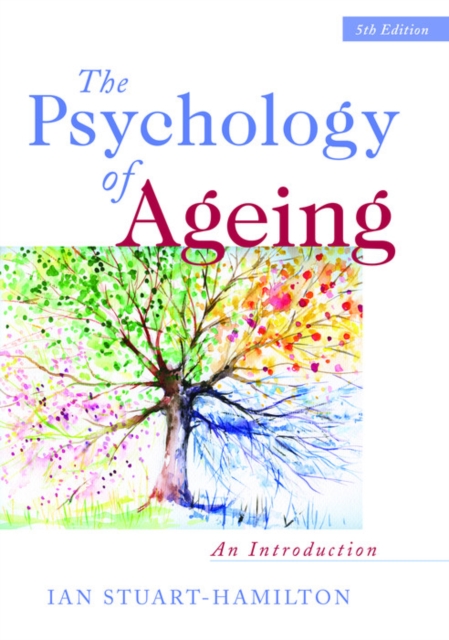
Whether you provide care for older people, or you are simply interested in ageing, this complete primer on the psychology of ageing explains the key issues clearly and concisely.
Child Development for Child Care and Protection Workers is a classic text for students and practitioners in the child care and protection field which summarises important current thinking on child development and applies it directly to practice.
Living with a chronic illness can have a significant psychological impact on a child and his or her family, and it is essential that this aspect of their care is not overlooked.