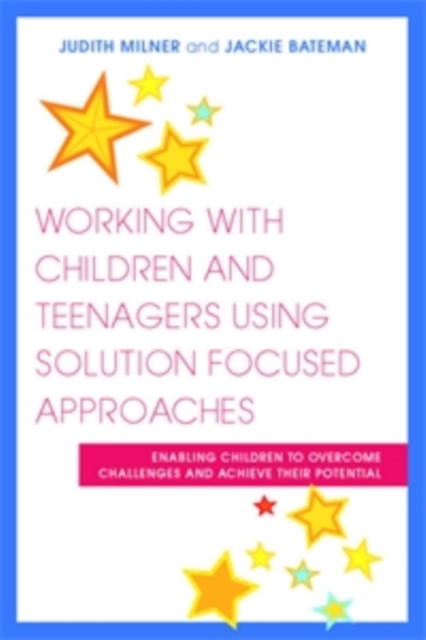
Solution focused approaches offer proven ways of helping children overcome a whole range of difficulties, from academic problems to mental health issues, by helping them to identify their strengths and achievements.
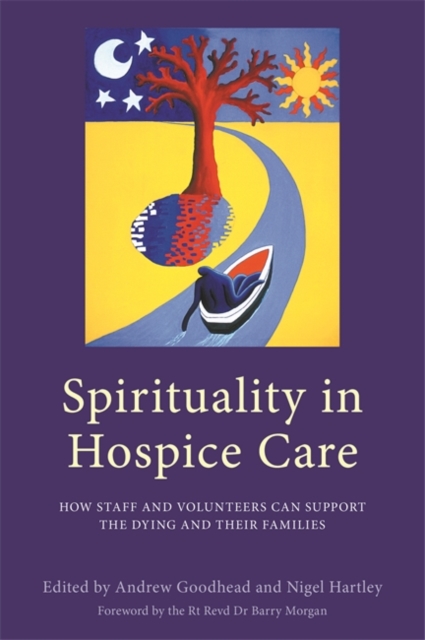
Hospice chaplains have traditionally played a unique part in palliative care, providing human compassion and support to help ease life's final chapter.
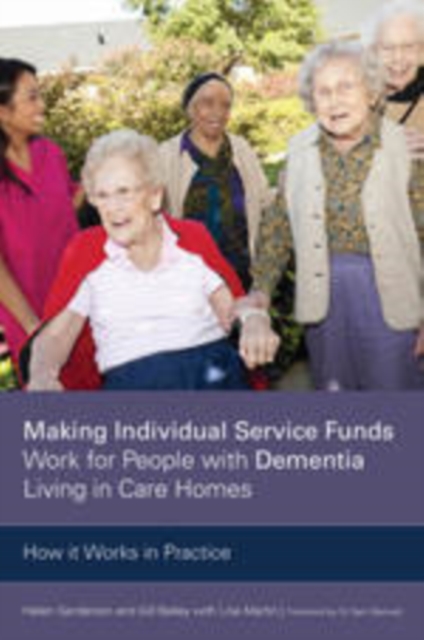
Dispelling the myths about how personalisation works for people with dementia living in care homes, this book demonstrates how to introduce Individual Service Funds (ISFs), what works and what doesn't, and how to deal with difficulties and setbacks.
Publishing on the 50th anniversary of the opening of St Christopher's Hospice - widely thought of to be the first modern hospice, combining pain and symptom management with education and training - this edited collection discusses what motivates professionals and volunteers to provide spiritual care.
Providing key information and insight into the experiences of people living with a diagnosis of young onset dementia, this book will increase the knowledge and skills of health and social care professionals in the early recognition, diagnosis and support of young people with dementia and their families.
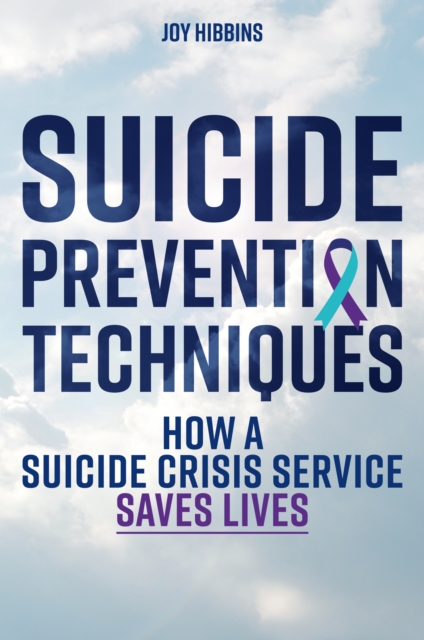
An unprecedented insight into the approach used by the innovative Suicide Crisis charity, a crisis centre that has so far achieved a zero suicide rate amongst their clients.
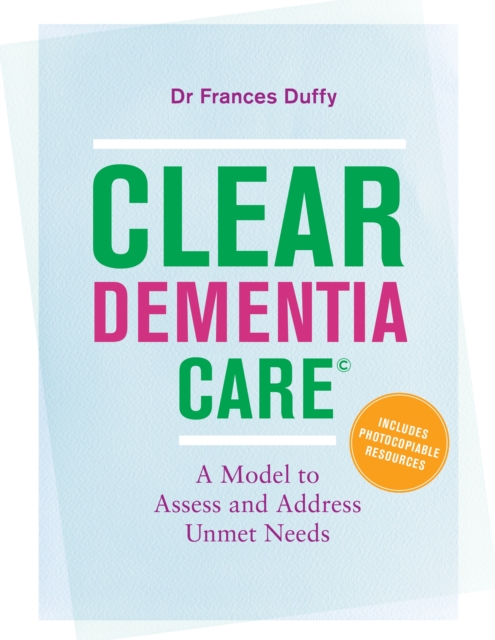
The CLEAR Dementia Care(c) model is an effective method of assessing behaviour that challenges, through an understanding that such behaviour may be a way of communicating unmet needs.
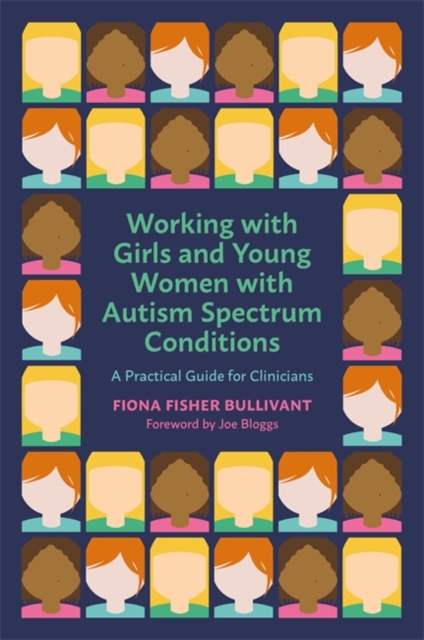
This guide shows how clinicians can help girls and young women with ASC to reach their full potential, by adopting more relationship-based, individualised approaches.
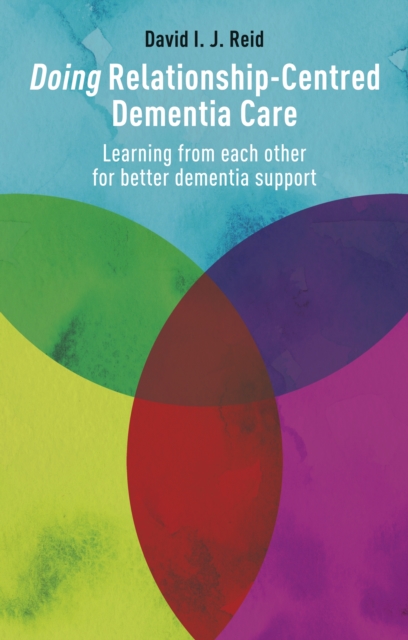
Sharing and evaluating a series of relationship-centred approaches to dementia care, this book enables practitioners to have hands-on involvement in improving the quality of this care.
Namaste Care is a therapeutic approach to caring for those living with advanced dementia, focused on improving their quality of life through a simple, soothing and rewarding process.
Offering practical advice for arts therapists and health care professionals, this book emphasizes the importance of putting the individual before the illness to provide holistic, person-centred support for people with dementia.
The correlation between 'disengagement' and illness in people with dementia living in long-term care settings is becoming more widely recognised, and developing and adapting front-line staff responses to the changing needs of individuals is a crucial factor in addressing this problem.
Dying, Bereavement and the Healing Arts describes a range of successful programmes pioneered by artists, writers, nurses, musicians, therapists, social workers, and chaplains in palliative care settings.
Understanding Learning Disability and Dementia covers all the essential issues in supporting a person with a learning disability when they develop dementia.
This accessible, interactive resource book encourages front-line staff working with dementia sufferers in nursing and residential settings to examine their working practice and modify it to where appropriate to meet best practice guidelines.
Supporting the Child and the Family in Paediatric Palliative Care provides a comprehensive overview of good practice in caring for terminally-ill children, young people and their families.
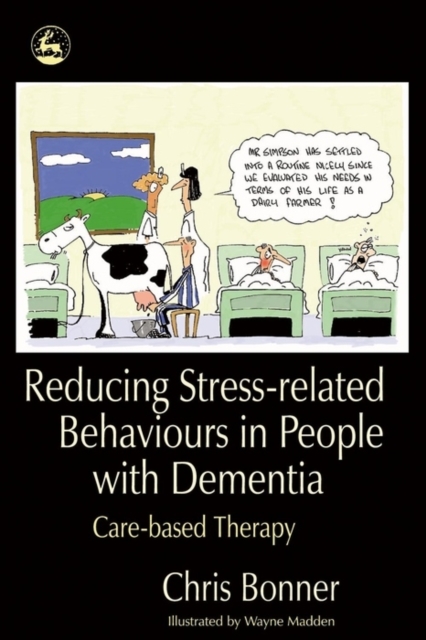
In Reducing Stress-Related Behaviours in people with Dementia, Chris Bonner has written a thoroughly entertaining, yet highly instructive, manual for people with Alzheimer's disease and other dementias.
This book offers an accessible and sympathetic introduction for relatives, carers and professionals looking after or training to work with people with dementia.
Social Perspectives in Mental Health offers new practice frameworks that help to make sense of people's mental distress and recovery in relation to their social experience.
Examining important issues in dementia research and care that are often neglected or marginalized, the contributors to this book provide fresh perspectives on current practice.
Bradford Dementia Group Good Practice GuidesThere are always difficult day to day decisions to be faced when caring for a person with dementia - from knowing how to deal with wandering to end of life decisions.
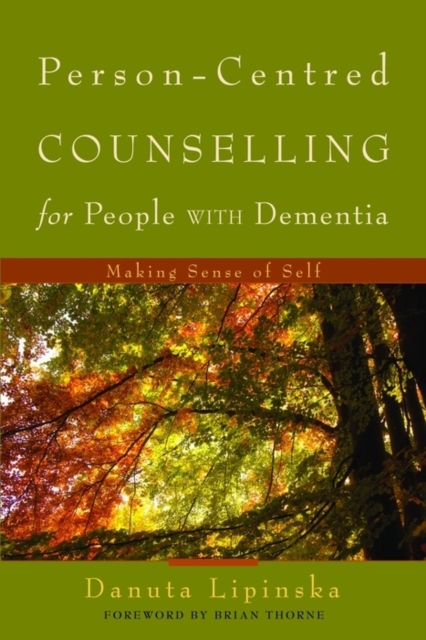
Although currently many people with dementia are not given the opportunity to receive professional counselling, this book explores the value of counselling for men and women living with this condition and how it enables them to make sense of their lives and their notions of themselves.
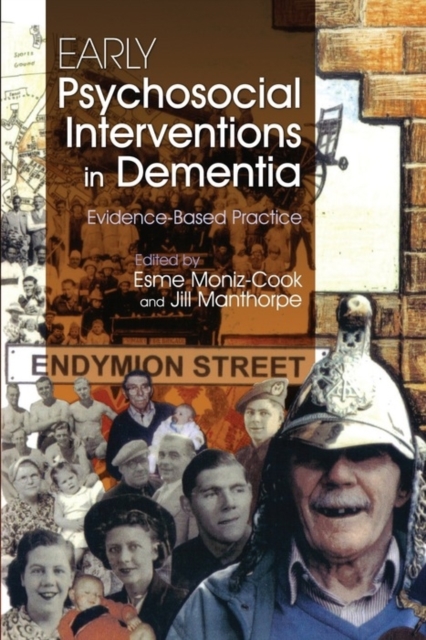
For the increasing number of people diagnosed with dementia each year, treatment in the early stages can make a significant difference to their quality of life.
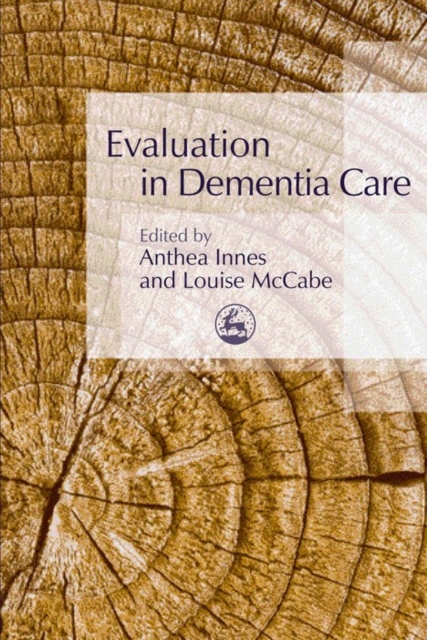
This authoritative collection sets out the critical role and application of evaluation in identifying and developing good practice in a range of dementia care settings.
Namaste Care is a therapeutic approach to caring for those living with advanced dementia, focused on improving their quality of life through a simple, soothing and rewarding process.
An unprecedented insight into the approach used by the innovative Suicide Crisis charity, a crisis centre that has so far achieved a zero suicide rate amongst their clients.
This guide shows how clinicians can help girls and young women with ASC to reach their full potential, by adopting more relationship-based, individualised approaches.
Sharing and evaluating a series of relationship-centred approaches to dementia care, this book enables practitioners to have hands-on involvement in improving the quality of this care.
The CLEAR Dementia Care(c) model is an effective method of assessing behaviour that challenges, through an understanding that such behaviour may be a way of communicating unmet needs.
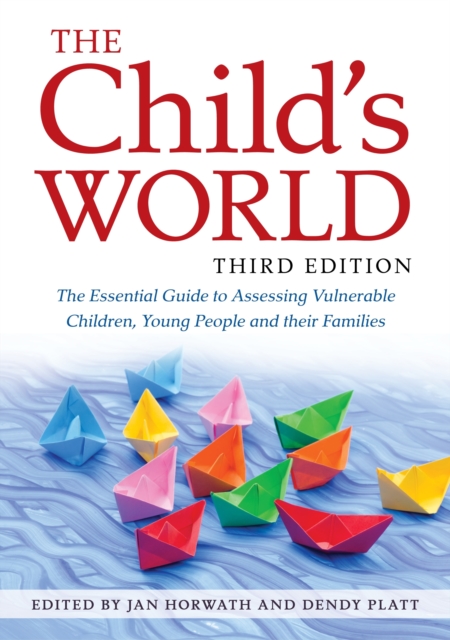
This definitive textbook provides accessible information on best practice for assessing the needs and strengths of vulnerable children and their families.
Providing key information and insight into the experiences of people living with a diagnosis of young onset dementia, this book will increase the knowledge and skills of health and social care professionals in the early recognition, diagnosis and support of young people with dementia and their families.
Publishing on the 50th anniversary of the opening of St Christopher's Hospice - widely thought of to be the first modern hospice, combining pain and symptom management with education and training - this edited collection discusses what motivates professionals and volunteers to provide spiritual care.