Social Work and Social Justice transcends discussions of abstract social justice concepts and goals by focusing on how these concepts can be used as guides for socially just practice at the interpersonal, organizational, community, and societal levels.
The growing geriatric population in the United States has created an increasing need for palliative medicine services across the range of medical and surgical specialties.
Riveting in their emotional clarity and utterly jargon free, these 30 stories from real life penetrate how we grieve and how we can help those who grieve- whether the griever is oneself, someone we care about, or a client or patient.
Crossing Over provides a unique view of patients, families, and their caregivers striving together to maintain comfort and hope in the face of incurable illness.
Improving care for the patients who are in the last phase of their lives has been a field that most health care providers have struggled with during last few years.
This volume reviews the state of the art in caring for patients dying in the ICU, focusing on both clinical aspects of managing pain and other symptoms, as well as ethical and societal issues that affect the standards of care received.
This extensively illustrated reference work is designed for health professionals who care for newborn infants including neonatologists, pediatricians, NICU nurses, pediatric neurologists, pediatric surgeons, geneticists, and genetic counselors.
Few publications have changed the landscape of contemporary psychology more than Richard Lazarus and Susan Folkman's landmark work, Stress, Appraisal, and Coping.
Neuropsychiatric problems after critical illness are receiving increasing attention, particularly in the critical care medicine literature, but mental health and primary care clinicians should also be interested in these common problems, given the growing number of critical illness survivors who need care.
Neuropsychiatric problems after critical illness are receiving increasing attention, particularly in the critical care medicine literature, but mental health and primary care clinicians should also be interested in these common problems, given the growing number of critical illness survivors who need care.
The study and practice of end-of-life care has seen an increasing understanding of the need for care that integrates clinical, psychosocial, spiritual, cultural, and ethical expertise.
Pediatric Intensive Care offers clinicians and trainees a concise, easy-to-carry resource on pediatric critical care medicine, designed for frequent and quick reference at the bedside, providing solutions to questions and situations encountered in practice.
The growing geriatric population in the United States has created an increasing need for palliative medicine services across the range of medical and surgical specialties.
The study and practice of end-of-life care has seen an increasing understanding of the need for care that integrates clinical, psychosocial, spiritual, cultural, and ethical expertise.
Creating Aging-Friendly Communities (CAFC) examines the need to redesign America's communities to respond to the realities of our rapidly aging society.
Creating Aging-Friendly Communities (CAFC) examines the need to redesign America's communities to respond to the realities of our rapidly aging society.
Schizophrenia and Psychotic Spectrum Disorders aims to engage young caregivers in psychiatry, psychology, nursing and social work so that they will be able to become well informed about this significant--and at times confusing--illness.
Schizophrenia and Psychotic Spectrum Disorders aims to engage young caregivers in psychiatry, psychology, nursing and social work so that they will be able to become well informed about this significant--and at times confusing--illness.
The Oxford American Handbook of Hospice and Palliative Medicine and Supportive Care is an easily-navigable source of information about the day-to-day management of patients requiring palliative and hospice care.
The Oxford American Handbook of Hospice and Palliative Medicine and Supportive Care is an easily-navigable source of information about the day-to-day management of patients requiring palliative and hospice care.
The chapters in Patient Care and Professionalism are ordered so that the main character in this book, the patient, has the first voice, followed by the ancient history of professionalism, the recent resurrection of professionalism in the United Kingdom (UK), and finally professionalism in the United States (US).
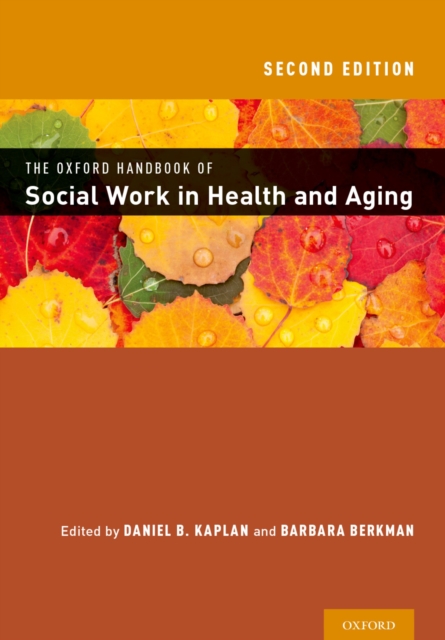
This Second Edition of the Handbook addresses the evolving interdisciplinary health care context and the broader social work practice environment, as well as advances in the knowledge base which guides social work service delivery in health and aging.
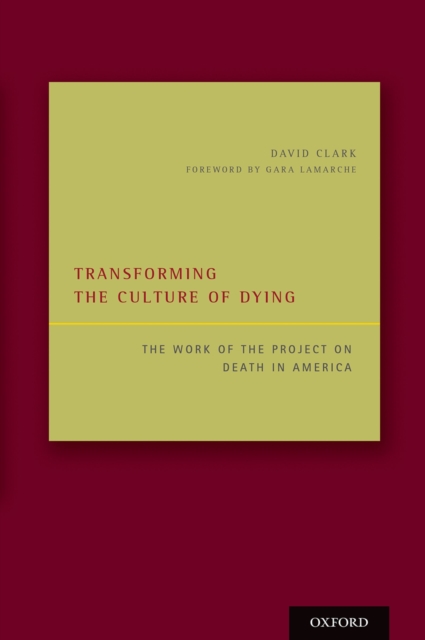
Over a period of almost 10 years, the work of the Project on Death in America (PDIA) played a formative role in the advancement of end of life care in the United States.
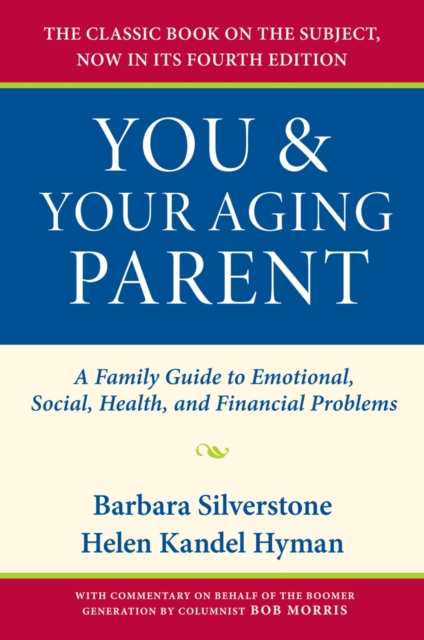
First published in 1976, You and Your Aging Parent is a classic--the first book to shed light on the challenging relationship between adult children and their aging parents, illuminating the emotional, health, and financial difficulties that elderly parents and their children face during the senior years.
Over recent decades, tremendous advances in the prevention, medical treatment, and quality of life issues in children and adolescents surviving cancer have spawned a host of research on pediatric psychosocial oncology.
Physicians, nurses, and allied health professionals working in today's health care settings must be prepared to offer support in dangerous times despite staffing shortages, financial pressures, and complex legal requirements.