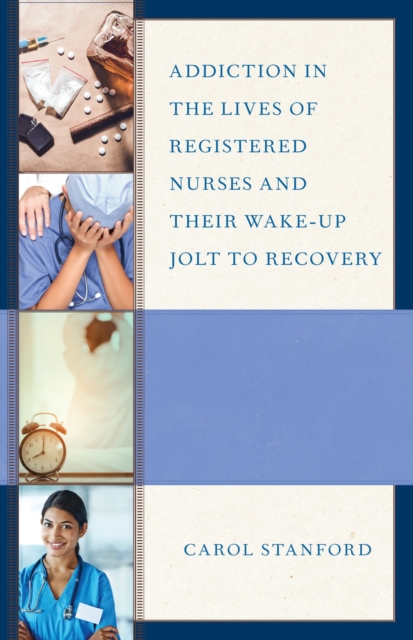
In this age of increasing headlines about drug addiction and prescription drug abuse, this book is a timely revelation of how the nursing profession is also impacted by substance abuse.
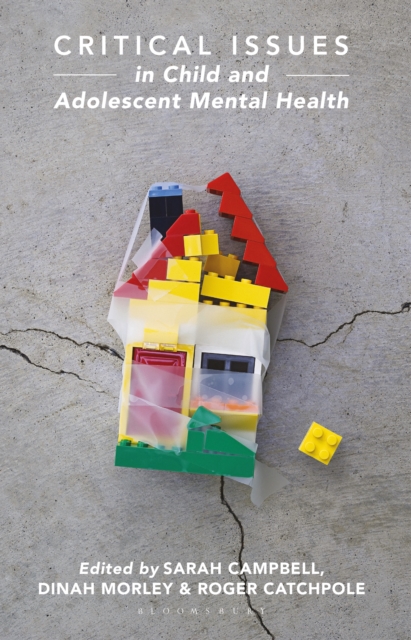
In this thought-provoking text, a collection of respected authors with a wealth of academic and practice experience come together to challenge some of the prevailing ideas serving as the foundation for the current child and adolescent mental health services (CAMHS) structure.
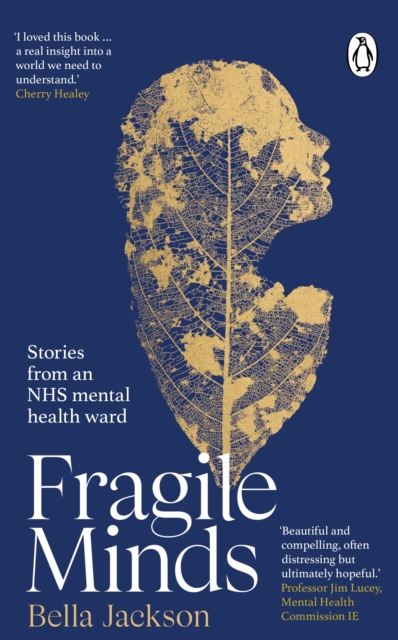
Beautifully wrought and staggeringly urgent , Fragile Minds documents Bella Jackson's time as a trainee mental health nurse, and the devastation and hope she encountered in winding corridors and behind locked doors.
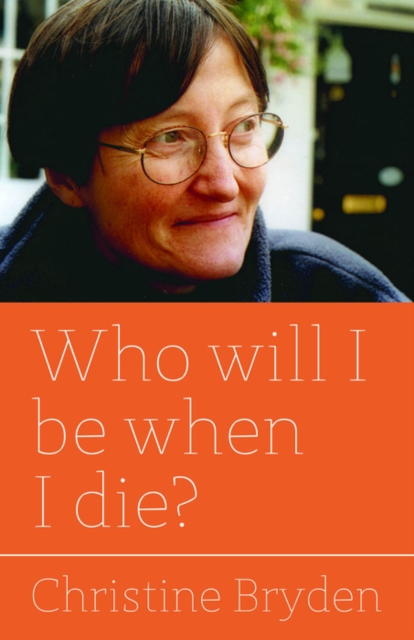
Christine Bryden was 46 years old when she was diagnosed with dementia, and in this book she describes her remarkable emotional, physical and spiritual journey in the three years immediately following.
In recent years there have been major developments in how long term conditions are managed and so it is important nurses understand the rationale behind policy initiatives and their implications for practice.
Understanding ethics and law in health care is an essential part of nurse and midwife professional standards, and a core component of qualifying programmes.
As changes in technology, policy and management put an increasing emphasis on processes and procedures in nursing and health care, how do we continue to make room for compassion, the ancient human value that calls most nurses to the profession?
Nurses need highly developed skills in order to communicate sensitively and collaboratively, across a wide range of media, with patients, clients, and colleagues from a variety of backgrounds.
Change happens constantly in healthcare contexts and professionals, whether newly qualified or managing staff, need to be ready to understand, adapt to, manage and implement change as necessary whilst continuing to work effectively in busy environments.
If you are looking for an accessible introduction to the essential concepts that define the field of professional ethics, then this is the book for you.
Understanding ethics and law in health care is an essential part of nurse and midwife professional standards, and a core component of qualifying programmes.
Nurses need highly developed skills in order to communicate sensitively and collaboratively, across a wide range of media, with patients, clients, and colleagues from a variety of backgrounds.
If you are looking for an accessible introduction to the essential concepts that define the field of professional ethics, then this is the book for you.
As changes in technology, policy and management put an increasing emphasis on processes and procedures in nursing and health care, how do we continue to make room for compassion, the ancient human value that calls most nurses to the profession?
Change happens constantly in healthcare contexts and professionals, whether newly qualified or managing staff, need to be ready to understand, adapt to, manage and implement change as necessary whilst continuing to work effectively in busy environments.
In recent years there have been major developments in how long term conditions are managed and so it is important nurses understand the rationale behind policy initiatives and their implications for practice.
Christine Bryden was 46 years old when she was diagnosed with dementia, and in this book she describes her remarkable emotional, physical and spiritual journey in the three years immediately following.
Person-centred thinking and planning are approaches that enable people using social care and health services to plan their future, and use a personal budget to commission personalised services.
Person-centred thinking and planning are approaches that enable people using social care and health services to plan their future, and use a personal budget to commission personalised services.
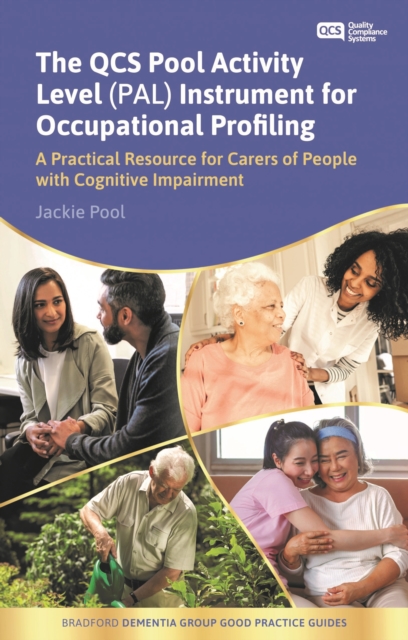
The QCS Pool Activity Level (PAL) Instrument is widely used as the framework for providing activity-based care for people with cognitive impairments, including dementia.
The QCS Pool Activity Level (PAL) Instrument is widely used as the framework for providing activity-based care for people with cognitive impairments, including dementia.
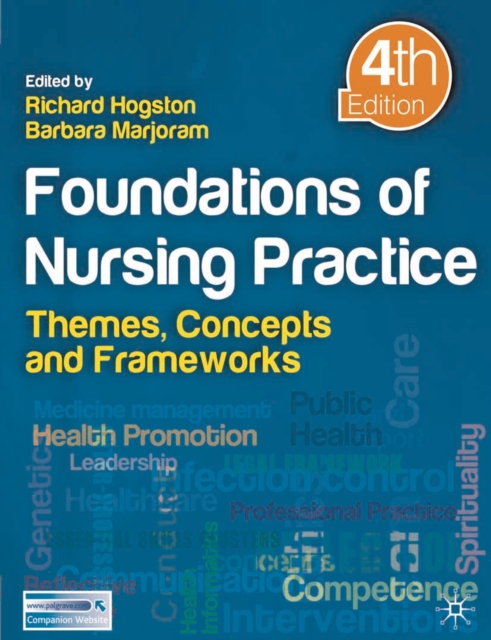
Written specifically for students and practitioners in health and social care taking foundation degrees or further professional qualifications, this textbook offers a wealth of material on contexts, knowledge bases, skills and practices, as well as dealing with work carried out by those involved in treatment, therapy, advocacy and management.
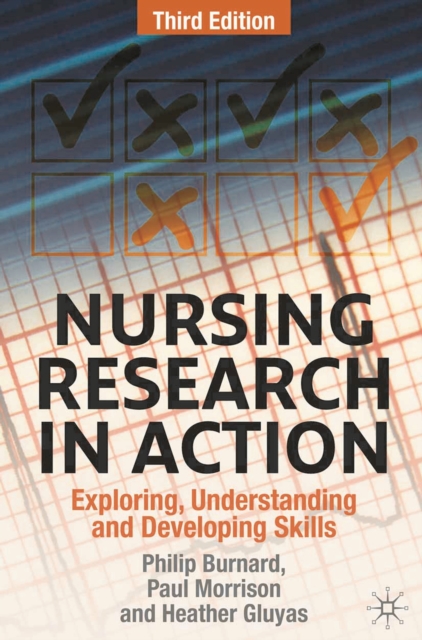
Written by highly experienced researchers and authors, this practical workbook demystifies the research process for nursing students and practitioners.
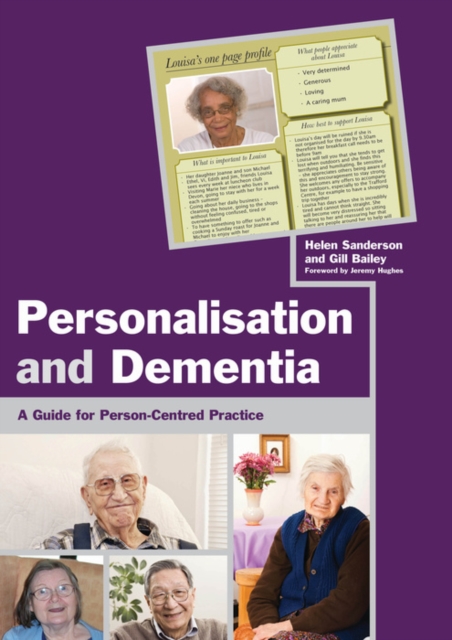
Personalisation builds on person-centred care to focus on how people with dementia can have more choice and control over decisions affecting them, and be supported to be part of their communities.
As nurses become responsible for increasingly technical service delivery, has the profession lost its focus on the emotional and human aspects of the role?
As the momentum for personalisation and recovery approaches grows, service users are increasingly participating as partners in all aspects of health and social care delivery, policy-making and professional training.
When a parent is nearing the end of life, children can feel like their world has been turned upside down, and they are often scared and confused about what is happening.
As someone approaches the end of their life, it is vitally important that they receive quality care and support, that their wishes are met, and that they are treated with dignity and respect.
Whether you provide care for older people, or you are simply interested in ageing, this complete primer on the psychology of ageing explains the key issues clearly and concisely.
Neglect is the most common form of child abuse, but recognizing the signs, assessing the family's and the child's needs, and undertaking intervention can be difficult and complicated.