A Patient-Centered Approach to the Chronically-Ill addresses the unique needs of chronically-ill patients and the challenges they present for medical doctors.
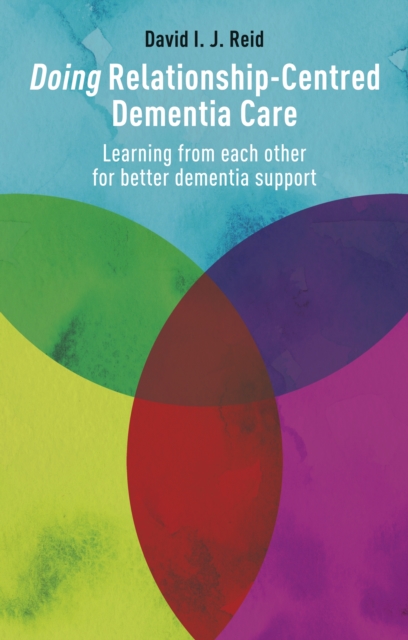
Sharing and evaluating a series of relationship-centred approaches to dementia care, this book enables practitioners to have hands-on involvement in improving the quality of this care.
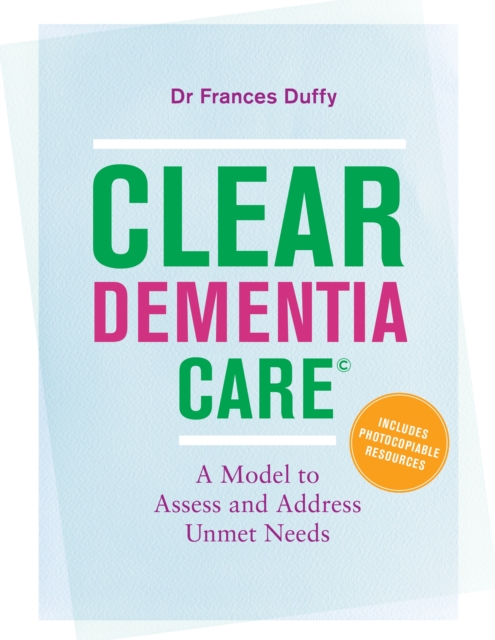
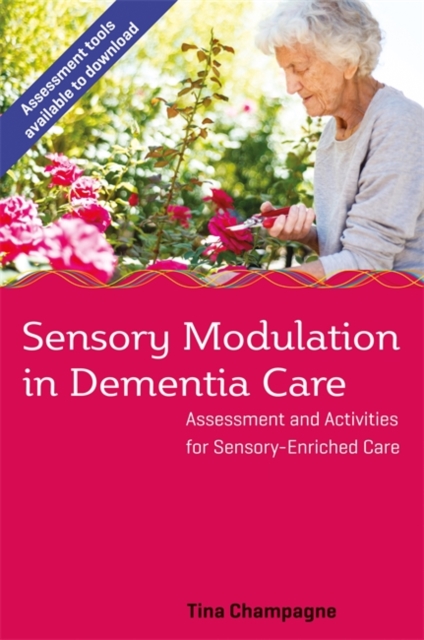
The CLEAR Dementia Care(c) model is an effective method of assessing behaviour that challenges, through an understanding that such behaviour may be a way of communicating unmet needs.
Patients who are facing illness and uncertainty often find themselves reflecting on the bigger questions in life, and the core beliefs or principles they live by.
This definitive textbook provides accessible information on best practice for assessing the needs and strengths of vulnerable children and their families.
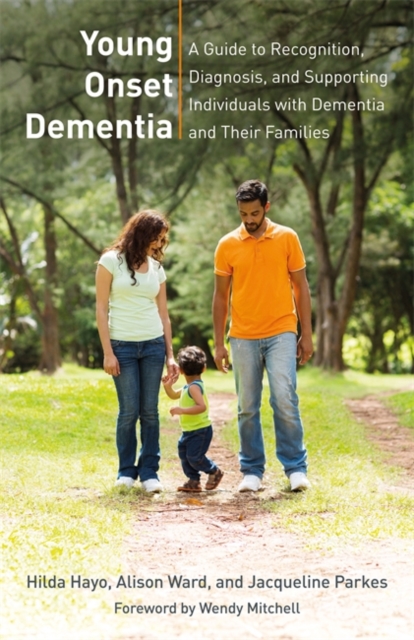
Providing key information and insight into the experiences of people living with a diagnosis of young onset dementia, this book will increase the knowledge and skills of health and social care professionals in the early recognition, diagnosis and support of young people with dementia and their families.
Highly Commended in Medicine in the 2018 BMA Medical Book AwardsPeople with dementia increasingly find themselves staying in hospitals for extended periods, often due to separate health issues.
Publishing on the 50th anniversary of the opening of St Christopher's Hospice - widely thought of to be the first modern hospice, combining pain and symptom management with education and training - this edited collection discusses what motivates professionals and volunteers to provide spiritual care.
Hospice chaplains have traditionally played a unique part in palliative care, providing human compassion and support to help ease life's final chapter.
This definitive textbook provides accessible information on best practice for assessing the needs and strengths of vulnerable children and their families.
Encouraging a broad, compassionate, humanistic approach to spirituality, this book shows how patients' spiritual needs can be communicated well within interdisciplinary teams, leading to better patient wellbeing.
Encouraging a broad, compassionate, humanistic approach to spirituality, this book shows how patients' spiritual needs can be communicated well within interdisciplinary teams, leading to better patient wellbeing.
Traditionally, dementia has been defined primarily in terms of loss: loss of cognitive and communicative competencies, loss of identity, loss of personal relationships.
Translating Chronic Illness Research into Practice presents recent developments in chronic illness research and their implications for clinical practice.
Dosage: A Guiding Principle for Health Communicators uses "e;dosage"e; as a metaphor to help all healthcare professionals apply basic communication principles to their work.
Dosage: A Guiding Principle for Health Communicators uses "e;dosage"e; as a metaphor to help all healthcare professionals apply basic communication principles to their work.
This book offers an accessible and sympathetic introduction for relatives, carers and professionals looking after or training to work with people with dementia.
Social Perspectives in Mental Health offers new practice frameworks that help to make sense of people's mental distress and recovery in relation to their social experience.
Presenting the most up-to-date information available about dementia and intellectual disabilities, this book brings together the latest international research and evidence-based practice, and describes clearly the relevance and implications for support and services Internationally renowned experts from the UK, Ireland, the USA, Canada, Australia and the Netherlands discuss good practice and the way forward in relation to assessment, diagnosis, interventions, staff knowledge and training, care pathways, service design, measuring outcomes and the experiences of individuals, families and carers.
Whether you provide care for older people, or you are simply interested in ageing, this complete primer on the psychology of ageing explains the key issues clearly and concisely.
As someone approaches the end of their life, it is vitally important that they receive quality care and support, that their wishes are met, and that they are treated with dignity and respect.
Presenting the most up-to-date information available about dementia and intellectual disabilities, this book brings together the latest international research and evidence-based practice, and describes clearly the relevance and implications for support and services Internationally renowned experts from the UK, Ireland, the USA, Canada, Australia and the Netherlands discuss good practice and the way forward in relation to assessment, diagnosis, interventions, staff knowledge and training, care pathways, service design, measuring outcomes and the experiences of individuals, families and carers.
*Highly Commended in the Psychiatry category at the 2012 British Medical Association Book Awards*A near-death experience (NDE) is a phenomenon whereby powerful physical and emotional sensations and visions are experienced by someone who is either close to death or has been declared clinically dead.
People with learning disabilities are at greater risk of physical and psychiatric illness than the population at large, but their health needs are often not adequately supported.
Supervision has been a major component of initial training and an important element for professional development in the very wide field of mental healthcare.
Professional Perspectives in Health Care covers a broad range of healthcare issues such as confidentiality, the patient as consumer and interprofessional working.
Exploring the story of user involvement in the NHS over the last 30 years, this fascinating new book provides an analysis of the conceptual terrain that underlies debates about public and patient involvement.
With contributions from a range of leading international authors, this 'stop and make you think' book explores the many contemporary issues surrounding emotion work in reproductive healthcare.
A Patient-Centered Approach to the Chronically-Ill addresses the unique needs of chronically-ill patients and the challenges they present for medical doctors.
This impressive book brings together two major tenets of modern healthcare: person-centred care and interprofessional working, in order to utilise different perspectives on practice to identify the best treatment for the individual.
Health research, education and provision have become increasingly interdisciplinary over the last few years, leading health professionals to broaden their knowledge beyond technical aspects of care.