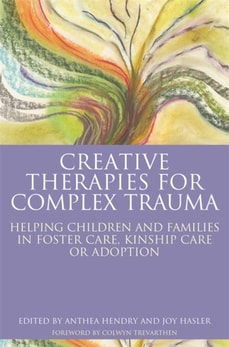
A burgeoning evidence base supports that arts, play and other creative therapies have potential to help children in foster care, kinship care or adoptive families to recover from complex trauma.
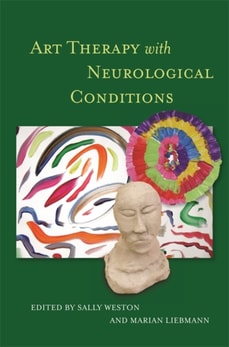
By creating a therapeutic outlet for self-expression and processing trauma, art therapy can play a powerful role in assisting people with a brain injury or neurological condition to adjust to living with altered abilities and ways of thinking.
This unique book offers an innovative feminist critique of attachment theory that offers an alternative understanding of relationships between women and their babies in domestic violence.
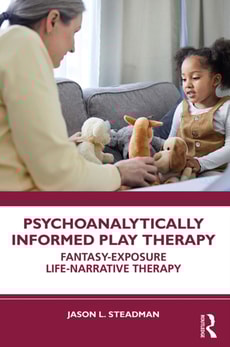
Psychoanalytically Informed Play Therapy: Fantasy-Exposure Life-Narrative Therapy is a structured manual for the execution of FELT, an integrative play therapy that marries the analytic, relational, and psychodynamic aspects of traditional Play Therapy with the scientific rigor and replicability standards of clinical empiricism.
Art Therapy Through the Lifespan: A Collection of Case Studies introduces theories and models of human development highlighted by case studies written by art therapists and broken down by developmental age ranges.
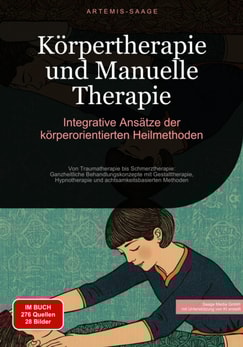
Dieses Fachbuch bietet einen umfassenden Einblick in die Welt der körperorientierten Heilmethoden und deren Integration in therapeutische Behandlungskonzepte.
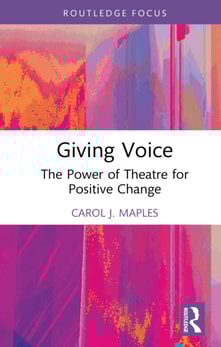
This book is a practical guide for using the power of theatre to address issues of oppression in areas such as race, ethnicity, LGBTQ+, gender, and sexual harassment.
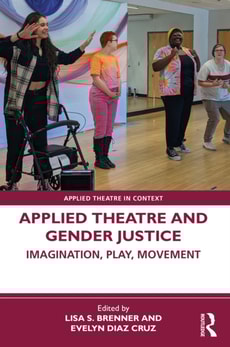
Applied Theatre and Gender Justice is a collection of essays highlighting the value and efficacy of using applied theatre to address gender in a broad range of settings, identifying challenges, and offering concrete best practices.
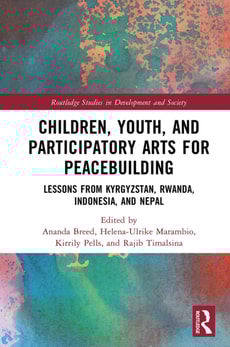
This book demonstrates how participatory arts-based approaches can help children and youth contribute to peacebuilding within post-conflict contexts and to their communities.
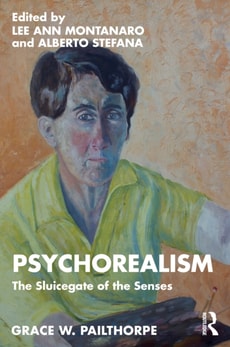
This book brings Grace Pailthorpe's previously unpublished work to readers for the very first time and explores the profound impact of early childhood development on one's psychological well-being.
This book is a practical guide for using the power of theatre to address issues of oppression in areas such as race, ethnicity, LGBTQ+, gender, and sexual harassment.
This book explores the exciting areas of overlap between psychodrama and other therapeutic schools and presents opportunities for their creative interaction and integration.
Using the drama classroom to shape an active, student-centred space and foster a new perspective for understanding the dramatherapeutic change-process, this book explores the processes that underpin the ways young people negotiate and perform their identities as ethical people.
Queer Memory and Storytelling unpacks the ways in which the narrative practices of recounting past experiences play a formative role in formation of identities, cultures, and social change among gender and sexually diverse individuals.
Rich in practical insights and personal reflections from teachers and therapists, this book explains what musical play is, how and why it benefits children, and how it can be integrated into educational, community and clinical environments.
Based on a longitudinal study with disadvantaged youth, this book provides an auto-ethnographic perspective on the complexities of working as a practitioner within marginalised communities.
Based on a longitudinal study with disadvantaged youth, this book provides an auto-ethnographic perspective on the complexities of working as a practitioner within marginalised communities.
Treatment Planning, Writing, and Documentation in Creative and Expressive Arts Therapies offers strategies for creating customized treatment plans using a variety of creative and expressive arts modalities.
Treatment Planning, Writing, and Documentation in Creative and Expressive Arts Therapies offers strategies for creating customized treatment plans using a variety of creative and expressive arts modalities.
Bringing together the voices of academics, art psychotherapists, and service users, this unique volume explores the contemporary impact of Edward Adamson's pioneering work on art therapy practices in in-patient settings.
This fully updated second edition of Phototherapy and Therapeutic Photography in a Digital Age invites readers to consider how cutting-edge approaches in phototherapy and therapeutic photography could be integrated into their own practice.
This fully updated second edition of Phototherapy and Therapeutic Photography in a Digital Age invites readers to consider how cutting-edge approaches in phototherapy and therapeutic photography could be integrated into their own practice.
Bringing together the voices of academics, art psychotherapists, and service users, this unique volume explores the contemporary impact of Edward Adamson's pioneering work on art therapy practices in in-patient settings.
The second edition of Materials and Media in Art Therapy provides an overview of material and media theory and practice in the field, with an emphasis on advances since the first edition.
The second edition of Materials and Media in Art Therapy provides an overview of material and media theory and practice in the field, with an emphasis on advances since the first edition.
Creative Action Methods in Supervision and Coaching provides an accessible yet informative introduction to the key philosophy, theories and techniques for effective creative supervision practice.
Creative Action Methods in Supervision and Coaching provides an accessible yet informative introduction to the key philosophy, theories and techniques for effective creative supervision practice.
Taking an occupational therapy perspective, this book provides a resource for practitioners from many disciplines working with children who have experienced complex trauma.
Taking an occupational therapy perspective, this book provides a resource for practitioners from many disciplines working with children who have experienced complex trauma.
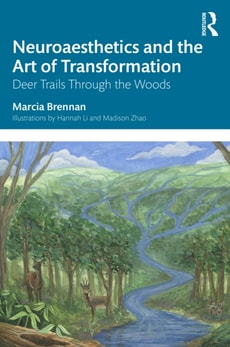
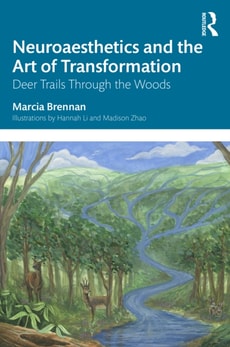
Through an imaginative engagement with neuroaesthetics, this vividly illustrated book presents the imagery of the forest as a creative metaphor for re-envisioning the structures of the brain, distressing mental health conditions such as anxiety and OCD, the potential for transformation, and the process of finding a new pathway forward.
Through an imaginative engagement with neuroaesthetics, this vividly illustrated book presents the imagery of the forest as a creative metaphor for re-envisioning the structures of the brain, distressing mental health conditions such as anxiety and OCD, the potential for transformation, and the process of finding a new pathway forward.