This book is an exploration and critique of 'playback theatre', a form of improvised theatre in which a company of performers spontaneously enact autobiographical stories told to them by members of the audience.
Music is well known to have a significant effect on physiology and is widely used as an effective therapeutic tool in stress and pain management, rehabilitation, and behavior modification, but its effects are not well understood.
Being active is fundamental to a person's sense of physical and mental wellbeing, and the need to engage in purposeful and meaningful activity does not diminish with age.
In Group Filial Therapy (GFT), therapists train parents to conduct play sessions with their own children to help meet children's therapeutic needs, and to transfer appropriate skills to family life.
Music therapists are trained to use their first study instrument in clinical practice, yet existing literature focuses almost exclusively on the use of piano, basic percussion and voice.
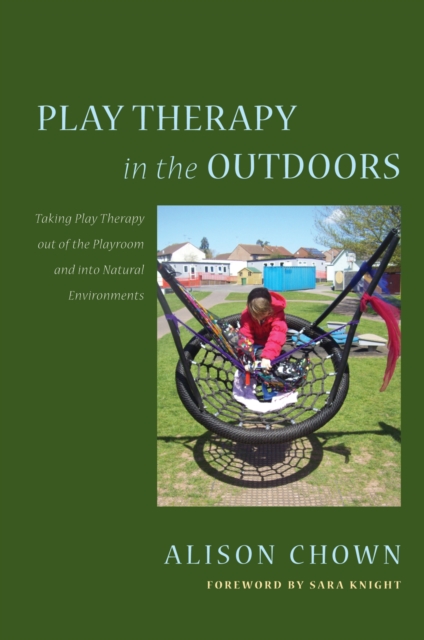
Championing the therapeutic power of nature, this book explores why outdoor play therapy offers children more than being confined to a playroom and how practice can be moved into the natural environment in a safe and ethical way.
Psychodrama and other action methods are especially helpful in the treatment of the classic eating disorders as well as dieting struggles, body dissatisfaction and associated issues of fear, sadness, silence and shame.
The Therapeutic Spiral Model (TSM) was developed as a clinical method of addressing deep issues of trauma, notably post-traumatic stress disorder (PTSD) relating to physical and emotional abuse and addiction.
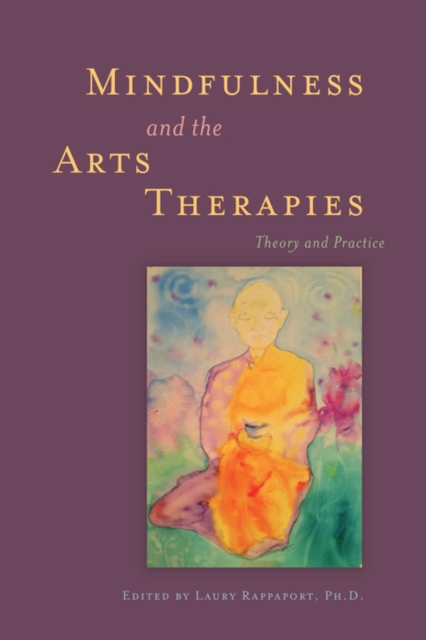
This ground-breaking book explores the theoretical, clinical and training application of integrating mindfulness with all of the arts therapies, and includes cutting-edge contributions from neuroscience.
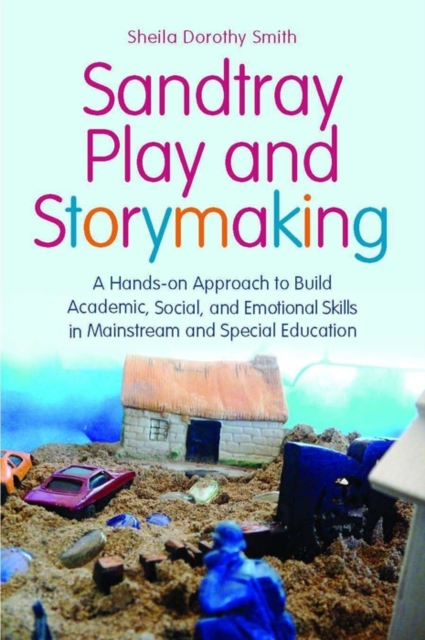
Introducing sandtray play and storying into mainstream and special education classrooms can have an extremely enriching impact on the learning experience.
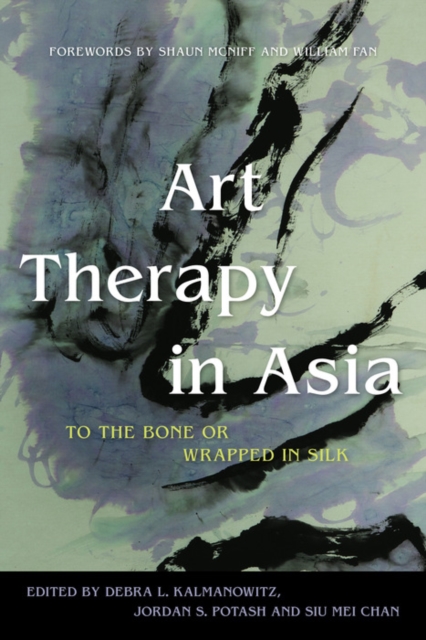
As art therapy rapidly makes its mark across Asia, this book documents how the field of art therapy is taking shape as both a profession and a discipline in this region.
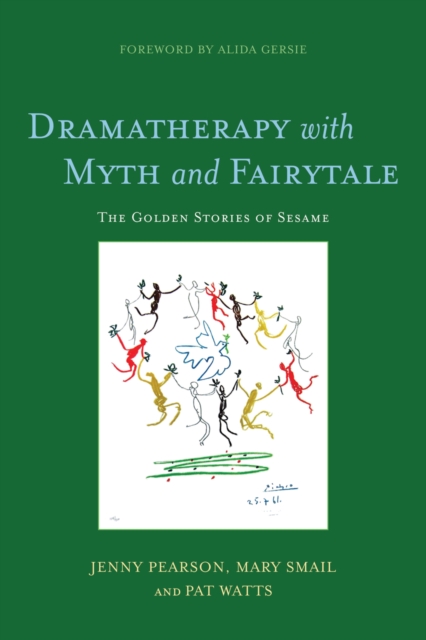
Alongside the world of everyday reality, the young child develops a rich imaginary world of child art, make-believe play, imaginary friends, fairy tales and magic.
Systemic Constellation Work is a rapidly growing experiential healing process that is being embraced by a variety of helping professionals, both traditional and alternative, worldwide.
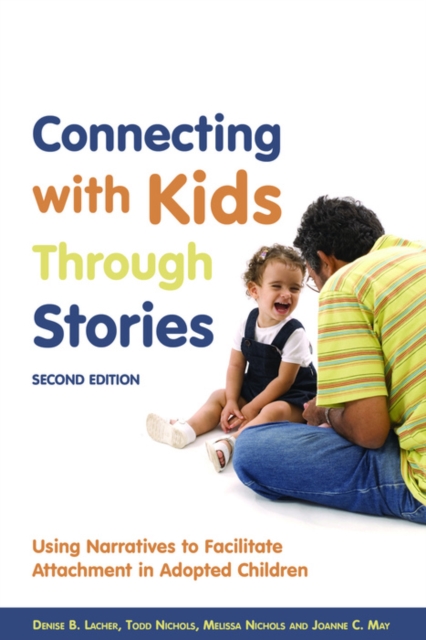
Adopted children whose early development has been altered by abuse or neglect may form negative beliefs about themselves and parents, and may resist connecting with others.
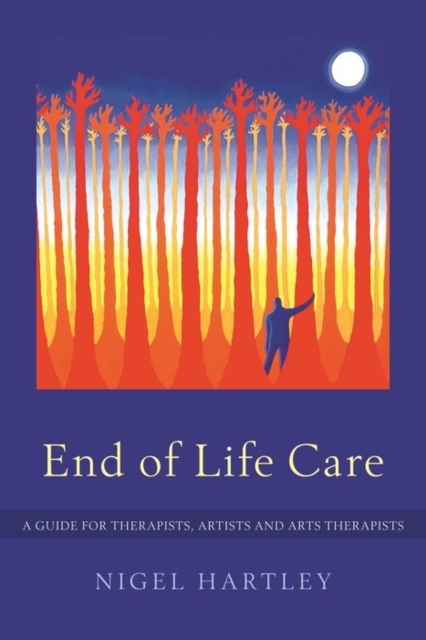
The many unfounded myths and fears that surround working with people at the end of their lives are dispelled in this thoughtful book, and the authors provide both practical and emotional support for those involved in caring for dying patients.
Placing motivation at the heart of all encounters and therapeutic activities, this book presents a groundbreaking, evidence-based model for working with children, including those with physical disabilities, learning disabilities and emotional and behavioural difficulties.
Being active is fundamental to a person's sense of physical and mental wellbeing, and the need to engage in purposeful and meaningful activity does not diminish with age.
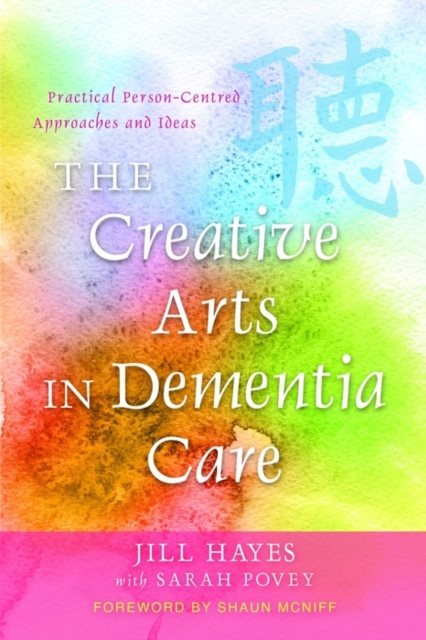
Providing people with dementia with opportunities to engage in creative activity can play a crucial role in maintaining and enhancing communication, and in reinforcing personhood and identity.
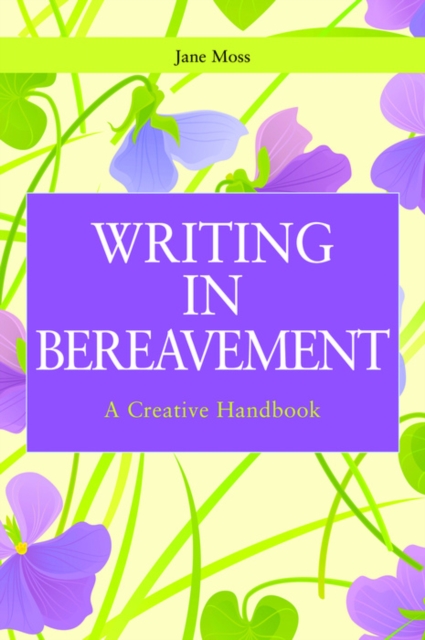
The use of creative writing as a route to personal or professional development is a powerful therapeutic tool, yet often the most difficult part is knowing how and where to begin.
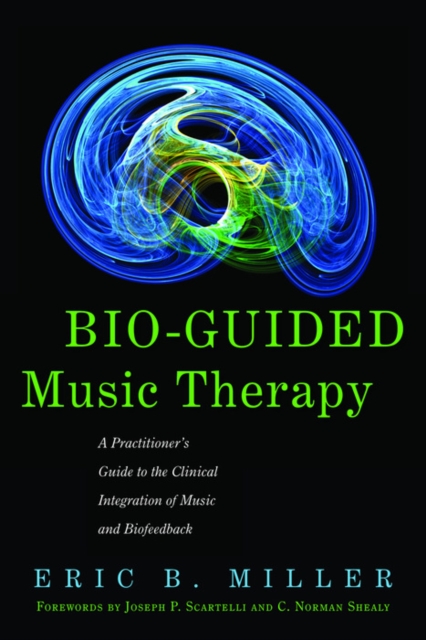
Bio-Guided Music Therapy explores the clinical integration of music and biofeedback, providing the practitioner with a rationale, historical context and detailed step-by-step instructions for implementing real-time physiological data driven music therapy.
In Group Filial Therapy (GFT), therapists train parents to conduct play sessions with their own children to help meet children's therapeutic needs, and to transfer appropriate skills to family life.
Myalgic encephalomyelitis, also known as Chronic Fatigue Syndrome, is a deeply complex and multi-system condition which has historically suffered from a lack of awareness within physiotherapy education and practice.
Whether working in urban areas with high levels of cultural diversity, providing art therapy to 'unique' populations such as prisoners or asylums seekers, or introducing art therapy programs to parts of the world in which it is not yet established, it is essential that therapists understand the importance of practicing in a culturally sensitive manner.
Contemporary Art Therapy with Adolescents offers practical and imaginative solutions to the multifaceted challenges that clinicians face when treating young people.