This book introduces the concepts of 'therapeutic love' and 'heartfullness,' combining models of group analysis, art therapy and individual psychotherapy to present a new psychotherapeutic framework where non-erotic love is engendered and evoked within therapeutic encounters.
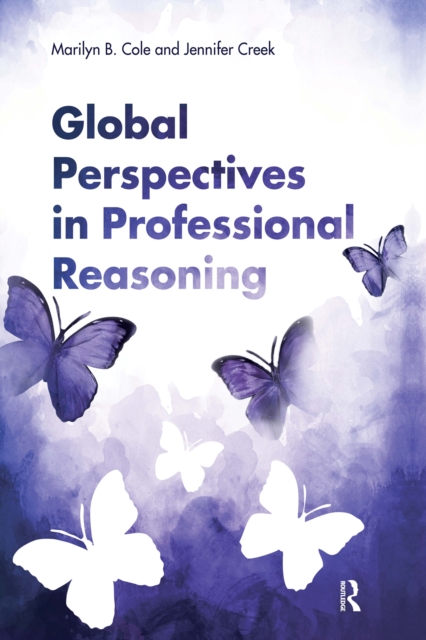
Global Perspectives in Professional Reasoning is the first text of its kind to address the broader scope of occupational therapy practice and the different types of professional reasoning that can be employed, including strategic, political, nonlinear, creative, and social reasoning.
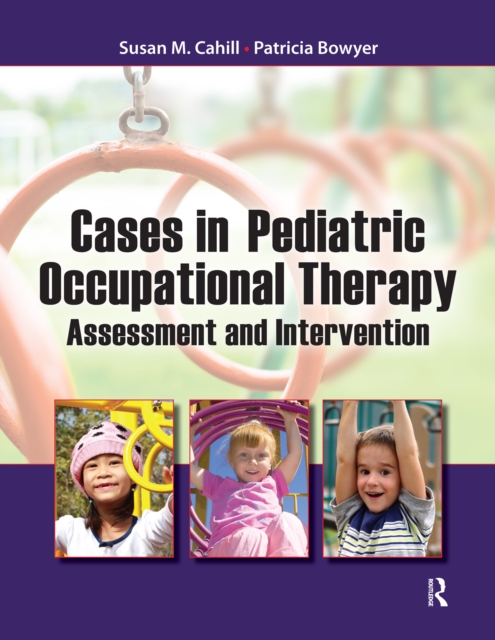
Cases in Pediatric Occupational Therapy: Assessment and Intervention is designed to provide a comprehensive collection of case studies that reflects the scope of current pediatric occupational therapy practice.
Pocket Guide to Intervention in Occupational Therapy, Second Edition builds upon the strengths of the first edition as a useful quick reference of occupational therapy terms and interventions regarding specific diagnoses and conditions.
The bestselling, newly updated occupational therapy assistant (OTA) textbook, The OTA's Guide to Documentation: Writing SOAP Notes, Fifth Edition explains the critical skill of documentation while offering multiple opportunities for OTA students to practice documentation through learning activities, worksheets, and bonus videos.
Perspectives on Occupational Therapy Education: Past, Present, and Future outlines a path forward for occupational therapy educators, incorporating the impact of historical context, contemporary issues and trends, and international viewpoints on the development of the profession.
The Occupational Therapists Workbook for Ensuring Clinical Competence is designed to help occupational therapy students and new practitioners demonstrate the practical problem-solving and real-life clinical reasoning skills essential for fieldwork and clinical practice.
A new resource for occupational therapy academic fieldwork coordinators and fieldwork educators, Fieldwork Educator's Guide to Level I Fieldwork is a practical guide for faculty and clinicians to design and implement Level I fieldwork experiences for occupational therapy and occupational therapy assistant students.
The bestselling, newly updated occupational therapy assistant (OTA) textbook, The OTA's Guide to Documentation: Writing SOAP Notes, Fifth Edition explains the critical skill of documentation while offering multiple opportunities for OTA students to practice documentation through learning activities, worksheets, and bonus videos.
Occupation, theory-driven, evidence-based, and client-centered practice continue to be the core of the profession and are the central focus of Occupational Therapy Essentials for Clinical Competence, Third Edition.
As the profession of occupational therapy continues to mature and expand its practice, the measurement of occupational performance is one of the key avenues that all practicing clinicians will need to explore and master.
Die klassische "Rückenschule" mit ihren eher funktionell ausgerichteten Übungsrepertoires wird mehr und mehr durch ganzheitliche Lernkonzepte erweitert: Sie beziehen Verstand und Psyche des Menschen mit ein, bewirken über eine verbesserte Körpersensibilität Verhaltensänderungen und regen zu selbstverantwortlichem gesundheitsbewußten Handeln im Alltag an.
Portrait therapy reverses the traditional roles in art therapy, utilising Edith Kramer's concept of the art therapist's 'third hand' to collaboratively design and paint their clients' portraits.
Renowned child therapist Clark Moustakas demonstrates how play can be used to affirm and liberate children_children who suddenly become troubled in their school or family lives and can work out their anger and fear in just a few sessions, as well as children who are seriously disturbed and must struggle to achieve emotional maturity, respect for others, and faith in themselves.
This comprehensive book brings together the voices of international art therapists with diverse backgrounds and experiences and asks them to consider the role of postmodernism in their understanding of art therapy.
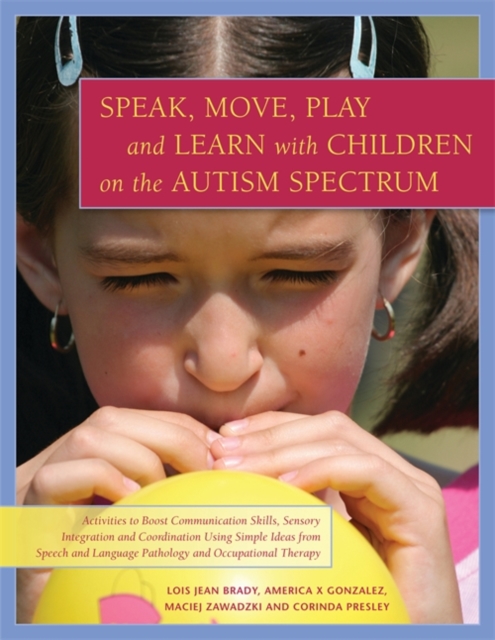
This practical resource is brimming with ideas and guidance for using simple ideas from speech and language pathology and occupational therapy to boost communication, sensory integration, and coordination skills in children on the autism spectrum.
Photography shows us how to look at things from different perspectives, to reflect, to communicate and to express ourselves in a way that goes beyond words.
Music has always been an essential part of what it is to be human and yet not everyone has access to the music-based opportunities others take for granted.
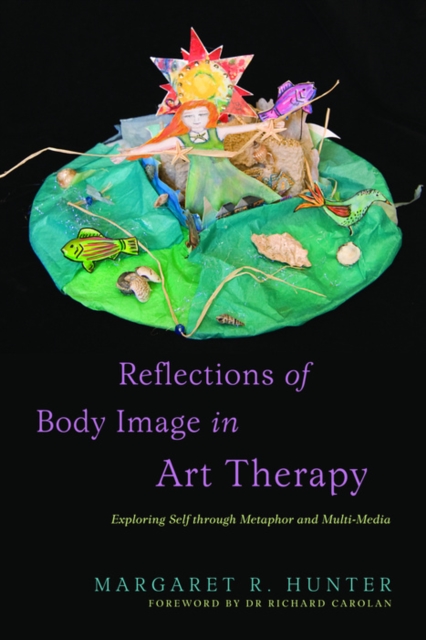
Recognising that problems with body image are often the lead cause of eating disorders, therapists are increasingly looking for innovative and effective ways to address these issues with clients.
Massage techniques are widely and effectively used in the treatment of autism spectrum disorders (ASDs) to address sensory issues, motor problems and touch receptivity.
This practical guide to running music therapy groups with senior citizens provides effective strategies that encourage therapists to be creative and engaging, and involve participants fully in the music-making process.
Writing Well is a practical handbook of creative writing exercises which forms the basis of an indirect, nonconfrontational approach specifically intended for therapeutic use within the mental health field.
Portrait therapy reverses the traditional roles in art therapy, utilising Edith Kramer's concept of the art therapist's 'third hand' to collaboratively design and paint their clients' portraits.
Renowned child therapist Clark Moustakas demonstrates how play can be used to affirm and liberate children_children who suddenly become troubled in their school or family lives and can work out their anger and fear in just a few sessions, as well as children who are seriously disturbed and must struggle to achieve emotional maturity, respect for others, and faith in themselves.
Massage techniques are widely and effectively used in the treatment of autism spectrum disorders (ASDs) to address sensory issues, motor problems and touch receptivity.
Music has always been an essential part of what it is to be human and yet not everyone has access to the music-based opportunities others take for granted.
This practical guide to running music therapy groups with senior citizens provides effective strategies that encourage therapists to be creative and engaging, and involve participants fully in the music-making process.
This practical resource is brimming with ideas and guidance for using simple ideas from speech and language pathology and occupational therapy to boost communication, sensory integration, and coordination skills in children on the autism spectrum.