The specific topic, "e;Isoquinolines And Beta-Carbolines As Neurotoxins And Neuroprotectants - New Perspectives In Parkinson`S Disease Therapy,"e; was chosen in light of accumulating neurobiological evidence indicating that, in addition to exogenous neurotoxins (e.
Book covers course with topics in infectious diseases in children and is intended for Pediatric Infectious disease clinical researchers, trainees, trainers, and all those who manage the research of children with infections and the children themselves.
In 1970 I gave up the chairmanship of the Department of Pharmacology at Stanford University Schoel of Medicine to devote full time to basic and clinical research on problems of drug addiction.
From beach encounters, aquaculture perils, and processed-food poisoning to snake bites and biological warfare, natural toxins seem never to be far from the public's sight.
This book is based on the proceedings of the symposium entitled "e;Di- rected Drug Delivery: A Multidisciplinary Problem,"e; which was held in Lawrence, Kansas on October 17-19, 1984.
This book has been developed from its earlier and far less formal presentment as the proceedings of a symposium entitled The Biochemistry of S-Adenosylmethionine as a Basis for Drug Design that was held at the Solstrand Fjord Hotel in Bergen, Norway on June 30-July 4, 1985.
This book contains the papers that were presented at the "e;Crystallo- graphic and Modeling Methods in Molecular Design Symposium"e; in Gulf Shores, Alabama, April 30 to May 3, 1989.
The Medical Science Liaison (MSL) has been reported as one of the best jobs over six figures for healthcare professionals, yet is relatively unknown, even to the medical community.
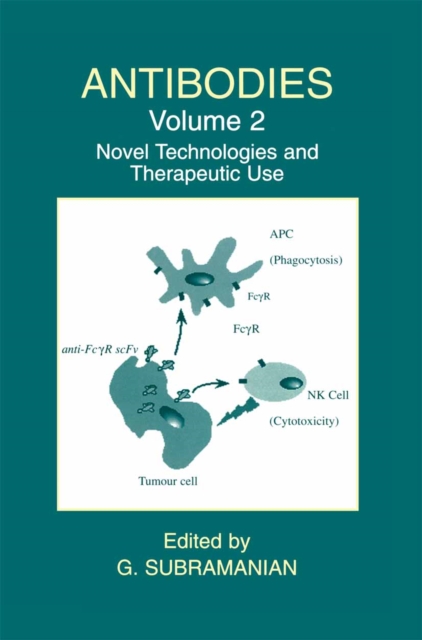
It is now over one hundred years since von Behring and Kitsato first concluded experiments that led to the use of passive immunisation, employing antibodies raised in animals against tetanus and diphtheria toxins.
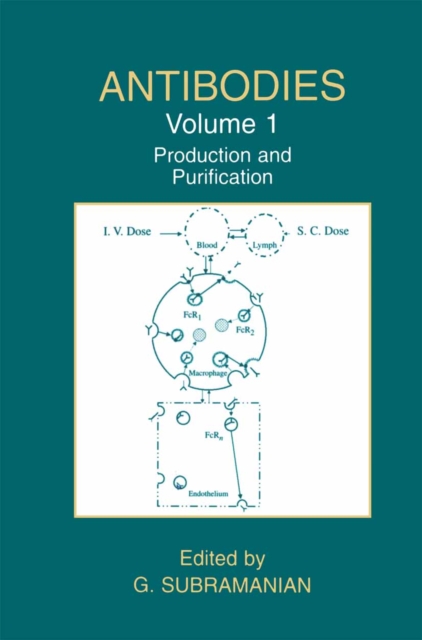
If the antibody industry is to achieve its full potential in the next decade, the individual technical potentials must be exploited, the limitations must be addressed, and lessons learned must be applied both to current purification methods and to the new technologies that continue to emerge.
The topics chosen for this volume were selected because they are some of the current development or technological issues facing drug development project teams.
The inspiration for this text was the 1988 volume by Alder and Zbinden, written before the ICH harmonization process for drug safety evaluation (or its ISO analog for device biocompatibility evaluation) had been initiated or come to force.
Translational strategies for development of antibody-based therapeutics should allow understanding of the relationship between the 'unit dose' and 'unit effect' with respect to both beneficial and deleterious effects from early stages of development.
Established as a classic text on nuclear chemistry and pharmacy, Fundamentals of Nuclear Pharmacy has been thoroughly revised with new information added covering innovations in imaging technology and clinical applications in the field.
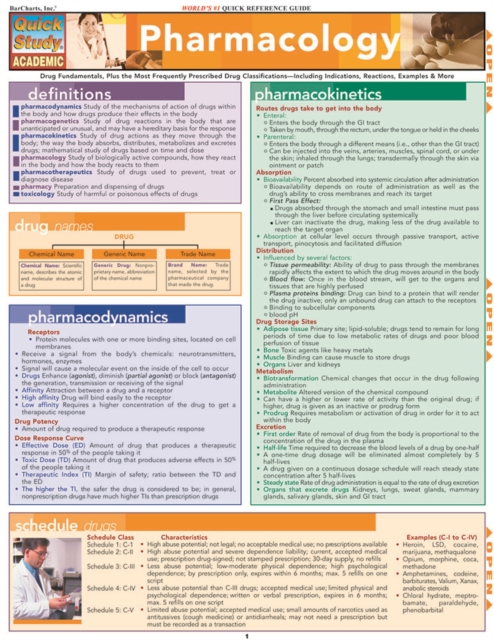
Drug Metabolism and Pharmacokinetics Quick Guide covers a number of aspects of drug assessment at drug discovery and development stages, topics such as pharmacokinetics, absorption, metabolism, enzyme kinetics, drug transporters, drug interactions, drug-like properties, assays and in silico calculations.
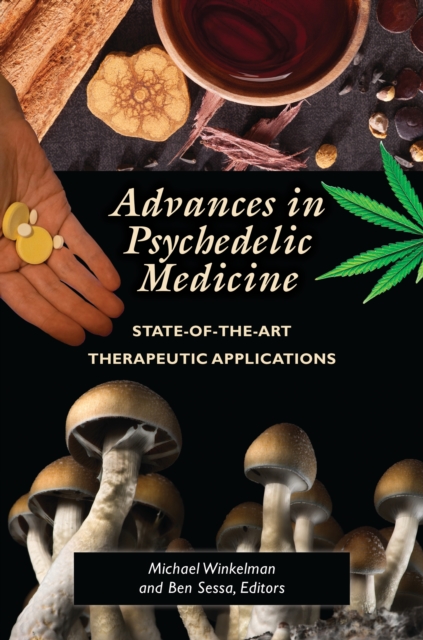
Researchers, program administrators, and practicing clinicians explain the most recent developments in using psychedelic substances to treat psychological, physiological, and social problems.
Alternative systems of medicine (Ayurveda, Siddha, Homoepathy, Traditional Chinese Medicine and Western Medcila Herbalism) utilizes medicinal plants for formulations.
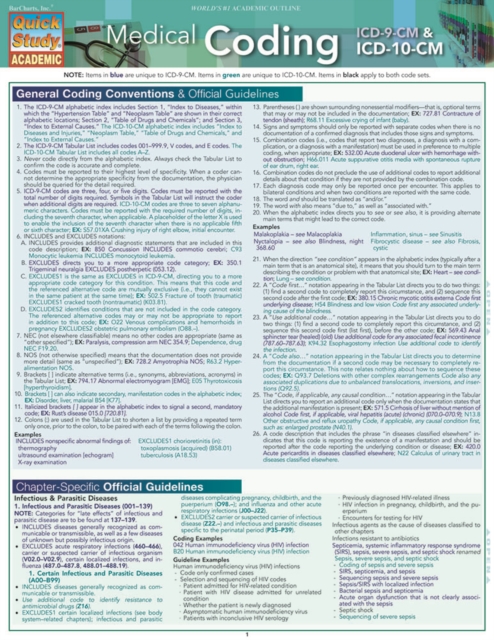
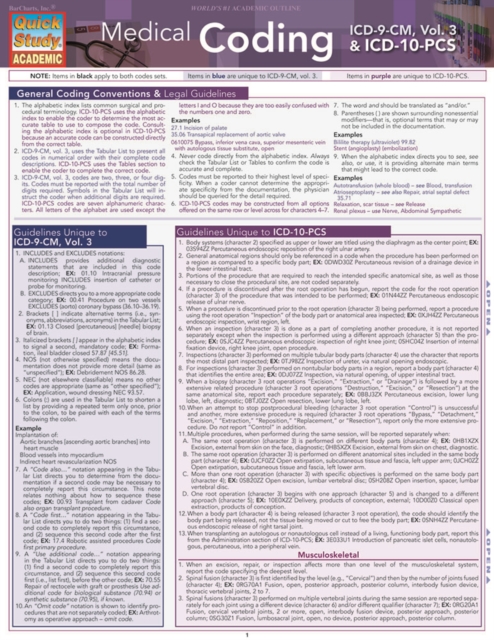
The health care industry is moving toward a major change in the code set, or language, used to report the reasons why a physician or health care professional provided care to a patient.
The health care industry is moving toward a major change in the code set, or language, used to report the reasons why a physician or health care professional provided care to a patient.
Biodrug Delivery Systems: Fundamentals, Applications and Clinical Development presents the work of an international group of leading experts in drug development and biopharmaceutical science who discuss the latest advances in biodrug delivery systems and associated techniques.
Applies the Principles of Informatics to the Pharmacy ProfessionEmphasizes Evidence-Based Practice and Quality Improvement ApproachesLeading the way in the integration of information technology with healthcare, Pharmacy Informatics reflects some of the rapid changes that have developed in the pharmacy profession.
Completely revised text that reflects to emergent trends and cutting-edge advances in pharmaceutical biotechnology, this Third Edition provides a well-balanced framework for understanding every major aspect of pharmaceutical biotechnology, including drug development, production, dosage forms, administration, and therapeutic developments.
Pharmacy is the nation's third largest health profession, with nearly 200,000 licensed pharmacists in the United States and 125,000 practicing in community pharmacies.
A UNIQUE PRACTICE-ORIENTED INTRODUCTION TO PHYSICAL PHARMACYApplied Physical Pharmacy explores the fundamental physicochemical properties and processes important for understanding how drugs are transformed into usable and stable drug products that release their drug upon administration, and for understanding the different processes that the released drug may encounter on its way to its pharmacological target prior to being eliminated by the body.
Chemoinformatics draws upon techniques from many disciplines including computer science, mathematics, computational chemistry and data visualisation to tackle these problems.