Mammalian Endocrinology and Male Reproductive Biology provides comprehensive and current coverage of the area of endocrinology and male reproductive biology, covering not just humans, but mammals in general.
This practical handbook provides detailed guidelines on prescribing drugs in all classes and for a wide variety of diseases and disorders during pregnancy, with numerous boxes and tables to assist understanding.
Anovulation - one of the most common causes of infertility - is here given a thorough review, with classification of the different subtypes, how they are diagnosed, how they are treated, and the possible complications and outcomes involved.
Anovulation - one of the most common causes of infertility - is here given a thorough review, with classification of the different subtypes, how they are diagnosed, how they are treated, and the possible complications and outcomes involved.
Providing a comprehensive review of the interactions between exercise and human reproduction, this unique text focuses on both the positive and negative consequences of sport and physical activity on male and female fertility and infertility and the biological mechanisms and processes behind them.
The book considers signaling events from the zygote embryo through to the blastocyst with relevant data from embryonic stem (ES) cells, including dialogue with the extracellular environment and with the maternal tract during the implantation process.
Written and edited by leading, internationally recognized clinicians and scientists in reproductive medicine and related fields, this unique text is a practical and comprehensive review of the clinical and scientific significance of unexplained male and female infertility and its management.
Recent trends in medicine have pushed many gynecologic procedures to the outpatient setting, whether in-office, in small medical ambulatory surgery centers, or in procedure rooms.
Non-Invasive Sperm Selection for In Vitro Fertilization summarizes and discusses the relevant literature on the various advanced sperm selection methods used in modern Assisted Reproductive Technologies (ART).
Women with chronic medical problems are at higher risk for complications during pregnancy and therefore, they are especially in need of appropriate preconception and contraception care.
This comprehensive volume is one of the first books to offer the reader detailed insight into sources of perinatal stem cells, their biology, and their potential for disease treatment.
This unique text provides a comprehensive yet concise review of the various environmental factors and lifestyle choices which impact male fertility, with special emphasis on the mechanisms that contribute to decreased sperm production and impaired function.
This book provides the Assisted Reproduction Technologies (ART) community an update of the fast approaching novel technologies that may allow improved assessment of the reproductive potential of sperm, oocytes and embryos.
Rheumatic (or systemic autoimmune) diseases disproportionately affect young women: the female-to-male ratio for patients with systemic lupus erythematosus during the reproductive years is approximately 9:1.
In the last decade, much of the clinical interest in the field of infertility has focused on advancing reproductive techniques and has often under-appreciated the role that male sexuality plays in reproductive problems.
This addition to the Springer Brief in Stem Cells series focuses on aspects related to the specific mechanisms that ensure and control pluripotency and cell commitment in domestic animal species.
Vitrification in Assisted Reproduction presents standard and new cryopreservation techniques in detail, outlining those that have resulted in success, and providing recommended means for overcoming typically encountered problems.
Unlike conventional single daily observations, time lapse technology provides hundreds of images, which allows pinpointing of key events in the embryo's in vitro development as well as the detection of brief but significant critical changes.
In the 1960s thousands of poor women of color on the (post)colonial French island of Reunion had their pregnancies forcefully terminated by white doctors; the doctors operated under the pretext of performing benign surgeries, for which they sought government compensation.
In recent years increasing numbers of women from wealthy countries have turned to egg donation, egg freezing, and in vitro fertilization to become pregnant, especially later in life.
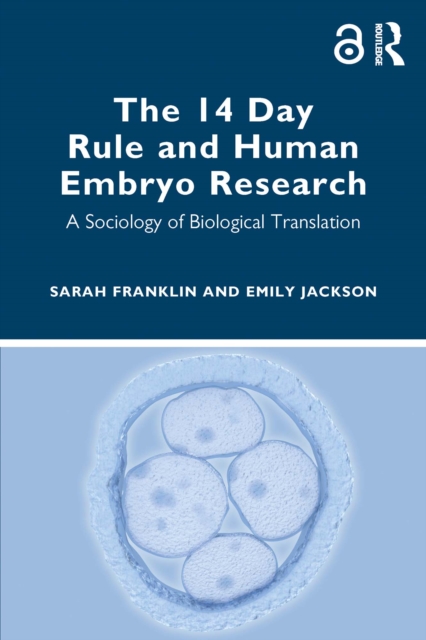
This assessment of Britains influential 14 day rule governing embryo research explores how and why it became the de facto global standard for research into human fertilisation and embryology, arguing that its influence and stability offers valuable lessons for successful biological translation.
'Informative, powerful' VOGUE'A fascinating and friendly guide for you to understand you better' MELISSA HEMSLEY'Amy's book is everything I should have learned at school' EMMA GANNONHormones were something Amy Thomson, founder and CEO of leading women's health app and tech service Moody, never paid attention to, until one day her periods stopped.
A beautifully illustrated and comprehensive lifestyle guide to help you achieve optimum health for conception and pregnancy from fertility expert Emma Gannon, covering diet, physical and mental health.
The definitive week-by-week diet and lifestyle plan to support IVF treatment and help you become pregnant from the one of the UK's foremost experts on fertility and conception, Zita West.
Comprehensive and accessible, Conceivable is the ultimate IVF companion, providing essential guidance for anyone going through the process or supporting someone who is.
Comprehensive and accessible, Conceivable is the ultimate IVF companion, providing essential guidance for anyone going through the process or supporting someone who is.
The births of more than 100 apparently normal infants at term following pregnancies initiated by in vitro fertilization and embryo transfer testifies to the successful clinical application of insights obtained from studies in reproductive biology over the last 20 years.
Over a decade ago the field of bioethics was established in response to the increased control over the design of living organisms afforded by both medical genetics and biotechnology.
Personalized medicine is what this book is about-tailoring your lifestyle, food, medicines, treatments, and reproductive choices to your genetic signature.
Over a decade ago the field of bioethics was established in response to the increased control over the design of living organisms afforded by both medical genetics and biotechnology.
During the mid- to late-twentieth century, study of the physiology of the developing fetus and newborn infant evolved rapidly to become a major discipline in the biomedical sciences.