With the emergence of fertility declines in the greater part of the developing world, study of the phenomenon has increased profoundly over the last three decades, and a voluminous amount of literature has emerged.
Out of the 100 million womenalmost 11 million in the United States alonewho are on the pill, roughly 60 percent take it for non-contraceptive reasons like painful periods, endometriosis, PCOS, and acne.
'This book is an absolute game-changer' - Dr Xand Van Tulleken'Everyone concerned about their fertility should read this book' - Dr Raj Mathur, Chair of the British Fertility SocietyThe book you can trust to help you achieve a healthy pregnancy.
Reproductive and Developmental Toxicology, Second Edition, is a comprehensive and authoritative resource that provides the latest literature on this complex subject with a primary focus on three core components-parent, placenta, and fetus-and the continuous changes that occur in each.
'Essential reading for anyone who has been through the sadness of a lost pregnancy' The Times'Sensitive and insightful' Sunday Times Style'This book will be a godsend to any woman going through the murky devastation that is called miscarriage but feels like something else entirely: the loss of a baby' Ariel Levy'A compassionate, nuanced book that does this very complicated grief justice' Pandora Sykes'This book will be the friend to hold your hand while you navigate your own pathway of grief.
'If you care about the length and quality of your life but can't stomach yet another diet or workout routine, this book is for you' - Adam Grant, New York Times bestselling author 'Finally, a lifestyle book that transcends diet and exercise for solutions for living longer' - Dan Buettner, National Geographic Fellow and New York Times bestselling author A smart, research-driven case for why optimism, kindness and strong social networks will help us live to 100.
"e;A Guy's Guide to the World of Infertility,"e; How to Make Love to a Plastic Cup is a light-hearted, laugh-out-loud funny, yet at the same time helpful and informative handbook to all things infertility-related written with the male wannabe babymaker in mind.
Embarking on IVF - or any assisted fertility treatment - can be a very demanding and stressful experience, but the right physical, nutritional and emotional support can lessen these stresses and strains and increase your chances of success.
Doctors and researchers are increasingly learning that by the time a woman gets pregnant, she may have already missed a critical window of opportunity to give her baby the best start in life.
The Atlas of Chick Development, Third Edition, a classic work covering all major event of chick development, is extensively updated with new and more detailed photographs, enlargements showing regions of special-interest and complexity, and new illustrations.
How women can improve their productivity, happiness, and physical well-being by keeping their natural cycles in mind and working with them (rather than ignoring them).
The Age-Well Project dived deep into the science of ageing well, and authors Annabel and Susan explained how they overhauled their own lives to prioritise healthy longevity.
Understand the menopause with all its changes and challenges and choose practices and treatments, brought to you by a team of experts, to make this next stage in your wellness journey healthy and positive.
From the hugely respected journalist Miranda Sawyer, a very modern look at the midlife crisis - delving into the truth, and lies, of the experience and how to survive it, with thoughtfulness, insight and humour.
This is a brand new, fully updated edition of the natural history classic first published in the New Naturalist series in 1973 as The Pollination of Flowers.
A provocative examination of how unequal access to reproductive technology replays the sins of the eugenics movement Eugenics, the effort to improve the human species by inhibiting reproduction of “inferior” genetic strains, ultimately came to be regarded as the great shame of the Progressive movement.
A uniquely accessible way of looking at recent major advances in the science of embryonic development In the span of just three decades, scientific understanding of the formation of embryos has undergone a major revolution.
One of the Best 'Brainy' Books of This Decade - The GuardianA ground breaking book on the history of Telomeres offering fresh advice on how to slow down aging and lengthen life.
Getting Pregnant in the 1980s: New Advances in Infertility Treatment and Sex Preselection provides a comprehensive guide to the rapidly evolving field of reproductive medicine during a transformative decade.
"e;Beautifully illustrated, detailed and clear, this is a wonderful introduction to human reproduction"e; - Professor Alice RobertsFollow the amazing transformation that occurs as a baby develops from a single cell into a fully formed human body.
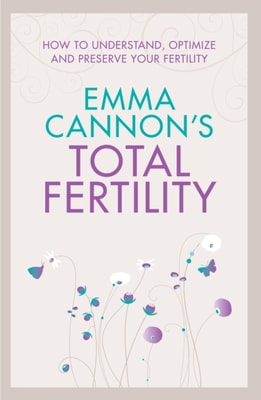
Fertility is one of the major health and wellbeing issues for modern women, and Emma Cannon's Total Fertility offers clear, warm and supportive advice to help you on your own unique fertility journey.
In the late-eighteenth century all women were considered potentially infectious to men but by the early-twentieth century only certain women were considered vectors of disease.
In Manufacturing Babies and Public Consent, Jose Van Dyck sketches a map of the public debate on new reproductive technologies as it has evolved in the USA and Britain since 1978.
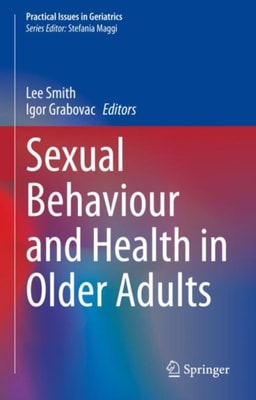
This book provides a comprehensive overview for those interested in research and promoting sexual health in older people, as well as a "e;go-to"e; guide on the topic of sexual behaviour in older adults.
Since the late nineteenth century, medicine has sought to foster the birth of healthy children by attending to the bodies of pregnant women, through what we have come to call prenatal care.
Following on from the success of their previous standard textbook on Multiple Pregnancy, the authors have refocused their attention on prenatal assessment in multiple pregnancy and come up with condensed and revised material in a free-standing text.