Cancer Genomics and Proteomics: Methods and Protocols, Second Edition includes methods for the analyses of cancer genome and proteome that have illuminated us about the changes in cancer cells.
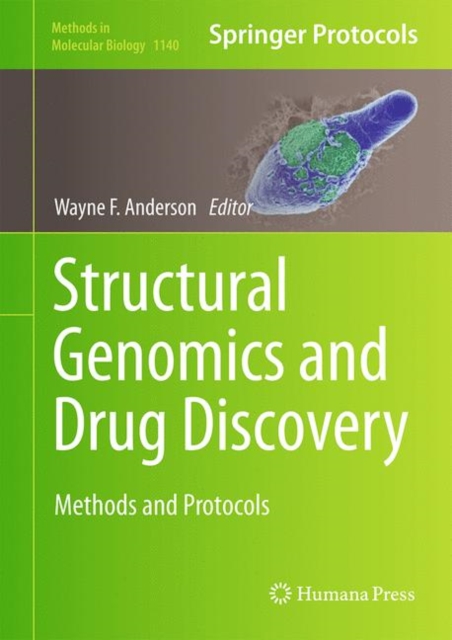
Structural Genomics and Drug Discovery: Methods and Protocols focuses on high throughput structure determination methods and how they can be applied to lay the groundwork for structure aided drug discovery.
This volume explores and explains how digital PCRs (dPCRs) help in the study of numerous topics, such as infectious diseases, evolution of cancer and treatment responses, somatic mosaicism, genome editing and cell therapy, and food testing for GMOs and pathogens.
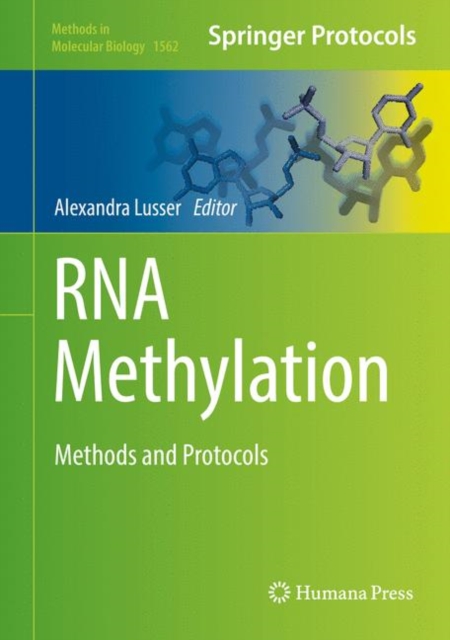
This volume provides a comprehensive collection of current methods and protocols to study posttranscriptional base modifications in RNA with special focus on methylation.
This detailed volume explores the methods used for most of the recent approaches to suicide gene therapy of cancer, which exploits promoters that are specific to cancer cells, thereby ensuring (or greatly increasing the likelihood) that the therapeutic gene is expressed only in cancer cells.
This volume provides readers with a wide collection of the latest and readily reproducible technical protocols available in the field ofnon-viral gene delivery vectors.
This volume aims to explore the latest developments in adeno-associated viral and lentiviral vectors as well as the gene therapy strategies for the most common neurological disorders, followed by chapters that include step-by-step guides to viral vector-based gene delivery in animal models used in the authors' laboratories.
This detailed volume explores the latest methods that can be used to probe mRNA decay pathways and identify mRNA-binding protein targets as well as miRNA targets.
This volume assembles a broad spectrum of methods used in long non-coding RNAs (lncRNA) research, ranging from computational annotation of lncRNA genes to molecular and cellular analyses of the function of individual lncRNA.
This volume is divided in four sections; covering genome wide approaches, techniques for characterize of paRNA structural features are described, selecting pa-RNA, and paRNA therapeutic potential.
This third edition volume expands on the previous editions by providing a comprehensive update on the available technologies required to successfully perform DNA methylation analysis.
Transcription Factor Regulatory Methods details various techniques ranging from cutting-edge to general techniques use to study transcription factor regulatory networks.
This updated book includes meiosis methods ranging from classical genetic approaches with budding yeast to high resolution microscopy and computational methods for the analysis of recombination and modeling gene expression networks.
This volume focuses on cytological, biochemical, and molecular biological methods to identify and examine the function of each nuclear body, with an emphasis on the analysis of long non-coding RNAs.
This third edition is comprised of well-established protocols that are considered the gold standard in the field as well as new methodologies for mitochondrial DNA analysis.
This volume is a collection of miRNA detection and target identification protocols, detailing new developments in the traditional detection approaches such as northern blot, quantitative real-time PCR, array, next generation sequencing, and in situ hybridization.
This volume looks at the evolution of the topo field over the last year and discusses how DNA topoisomerases are directly and indirectly involved in numerous cellular processes.
In Situ Hybridization Protocols, Fourth Edition contains 21 protocols that utilize the in situ hybridization technology to document or take advantage of the visualization of specific RNA molecules.
Providing a list of methods useful both to those who wish to study pseudogenes and to those who actually want to avoid their inadvertent detection, Pseudogenes: Functions and Protocols explores techniques involving pseudogenic DNA, RNA, and peptides/proteins, once believed to lack any functionality, but now known to be involved in complex regulatory circuits.
This volume mirrors the holistic feature of whole genome amplification (WGA) technology by combining reviews, detailed basic methods and advanced sample workflows.
This detailed volume reflects the considerable new developments that have taken place in the area of applied neurogenomics, particularly with the rapid progress in next generation sequencing.
Quantitative Real-Time PCR: Methods and Protocols focuses on different applications of qPCR ranging from microbiological detections (both viral and bacterial) to pathological applications.
High-throughput RNAi screening remains one of the most widely used technologies to perform target identification and validation studies in an unbiased manner.
This detailed volume guides readers through strategic planning and user-friendly guidelines in order to select the most suitable CRISPR-Cas system and target sites with high activity and specificity.
This detailed volume presents a comprehensive technical overview of DNA nanotechnology with an emphasis on 3D DNA nanostructure design and applications.
This volume provides readers with an introduction to all the methods and major approaches now being used to study the structural and functional development of the brain.
This volume outlines key steps associated with the design, building, and testing of synthetic metabolic pathways for optimal cell factory performance and robustness, and illustrates how data-driven learning from these steps can be used for rational cost-effective engineering of cell factories with improved performance.
Hox Genes: Methods and Protocols explores techniques and methodologies which arose from or were successfully applied to the study of Hox genes and Hox proteins, at the intersection of experimental embryology, genetics, biochemistry, physiology, evolutionary biology and other life sciences.