Biomarkers in Bipolar Disorders summarizes cutting-edge findings in biomarkers' research, emphasizing the most promising findings, tools and technologies relevant to drug development and personalized medicine.
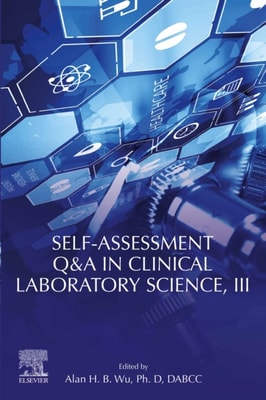
Self-assessment Q&A in Clinical Laboratory Science, III, adds a variety of subject matter that addresses new concepts and emerging technology, particularly in the areas of kidney biomarkers, cancer biomarkers, molecular diagnostics, multiple myeloma, pharmacogenomics, novel cardiovascular biomarkers and biomarkers of neurologic diseases.
The Essential Charcot Neuroarthropathy: Biomechanics, Pathophysiology, and MRI Findings provides a comprehensive analysis of Charcot neuroarthropathy (or Charcot Foot) in diabetic patients.
Understanding Insulin and Insulin Resistance is written in a simple and clear language illustrated with diagrams that show the complex interplay of various factors in the initiation of insulin resistance.
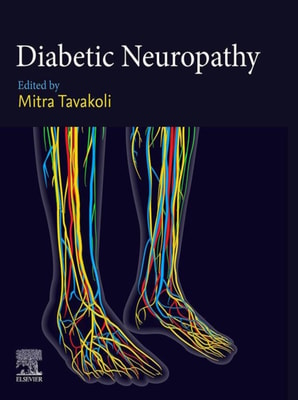
Diabetic Neuropathy identifies the most accurate early biomarkers of nerve damage to better understand pathophysiology and diagnose diabetic neuropathy in the clinical care of patients, and in particular, permit an accurate evaluation of future therapies in clinical trials.
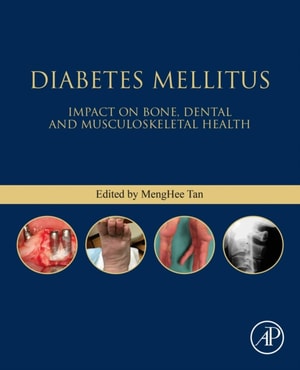
Diabetes Mellitus: Impact on Bone, Dental and Musculoskeletal Health focuses on the under recognized and managed conditions associated with diabetes, including impacts on bone health, dental health, hand, and foot disorders, wounds, infections, and musculoskeletal disorders.
The Human Hypothalamus: Neuropsychiatric Disorders, Volume 181 in the Handbook of Clinical Neurology series, provides comprehensive summaries of recent research on the brain and nervous system as they relate to clinical neurology.
Global Health Complications of Obesity presents a valuable resource for research scientists and clinicians by covering the burden of obesity and related diseases and serving as a starting point for in-depth discussions in academic settings and for obesity-treatment specialists.
Fertility, Pregnancy, and Wellness is designed to bridge science and a more holistic approach to health and wellness, in particular, dealing with female-male fertility and the gestational process.
Diabetes Digital Health brings together the multifaceted information surrounding the science of digital health from an academic, regulatory, industrial, investment and cybersecurity perspective.
Diabetes and Fundus OCT brings together a stellar cast of authors who review the computer-aided diagnostic (CAD) systems developed to diagnose non-proliferative diabetic retinopathy in an automated fashion using Fundus and OCTA images.
Diabetes and Retinopathy brings together the multifaceted information about the research and clinical application from academic, clinical, bioengineering and bioinformatics perspectives.
Computer-Assisted Diagnosis: Diabetes and Cardiovascular Disease brings together multifaceted information on research and clinical applications from an academic, clinical, bioengineering and bioinformatics perspective.
Human Reproductive Genetics: Emerging Technologies and Clinical Applications presents a great reference for clinicians and researchers in reproductive medicine.
The Plasticity of Sex: The Molecular Biology and Clinical Features of Genomic Sex, Gender Identity and Sexual Behavior provides a comprehensive view on the development of human sexuality.
Diabetes: Oxidative Stress and Dietary Antioxidants, Second Edition, builds on the success of the first edition, covering updated research on the science of oxidative stress in diabetes and the potentially therapeutic usage of natural antioxidants in the diet and food matrix.
Herbal Medicine in Andrology: An Evidence-Based Update provides a comprehensive overview of ethnomedical approaches in andrology, including ethnopharmacology of plant extracts and relevant bioactive compounds.
Noonan Syndrome: Characteristics and Interventions provides an in-depth analysis on this disorder that pediatric endocrinologists and primary care clinicians can use to make sure they provide affected patients with an updated model of care and appropriate treatment.
Maternal-Fetal and Neonatal Endocrinology: Physiology, Pathophysiology, and Clinical Management systematically examines the normal and abnormal endocrinology of the pregnant and lactating female and of the fetus and neonate.
Metabolic Syndrome: From Mechanisms to Interventions covers all aspects of this complex and multifactorial disease, providing a cutting-edge understanding of the problem of MetS, with a particular focus on its prevention and clinical management.
Endocrine Disruption and Human Health starts with an overview of what endocrine disruptors are, the issues surrounding them, and the source of these chemicals in the ecosystem.
Handbook of Hormones: Comparative Endocrinology for Basic and Clinical Research collates fundamental information about the structure and function of hormones from basic biology to clinical use.
This book discusses major changes in our understanding of the most prevalent non-orthopedic, sports-related condition - overtraining syndrome (OTS), arguing that it should be considered as the manifestation of burnout in athletes, rather than simply the result of excessive training.
Cellular Endocrinology in Health and Disease describes the underlying basis of endocrine function, providing an important tool to understand the fundamentals of endocrine diseases.
The HDL Handbook: Biological Functions to Clinical Implications brings laboratory research in HDL from bench to bedside in this needed resource for researchers and clinicians studying cholesterol, lipids, epidemiology, biochemistry, molecular medicine, and pathophysiology of cardiovascular diseases.
This volume of Progress in Molecular Biology and Translational Science focuses on the most recent research surrounding Cadherins from top experts in the field.
Neuroendocrinology, the discipline concerned with how the nervous system controls hormonal secretion and how hormones control the brain, is pivotal to physiology and medicine.
A single volume of 85 articles, the Handbook of the Neurobiology of Aging is an authoritative selection of relevant chapters from the Encyclopedia of Neuroscience, the most comprehensive source of neuroscience information assembled to date (AP Oct 2008).
Vasopressin and oxytocin are the key hormones of the hypothalamo-neurohypophysial system, and are well-known to be critically involved in antidiuresis, labor, and milk ejection.
The major change in the format of the fifth edition is the presentation of the book in two volumes, necessitated by the rapidly increasing knowledge of metabolism, interactions, and requirements of trace elements.
The Textbook of Nephro-Endocrinology is the definitive translational reference in the field of nephro-endocrinology, investigating both the endocrine functions of the kidneys and how the kidney acts as a target for hormones from other organ systems.
Vitamin K, one of the group of fat-soluble vitamins (A, D, E and K), has come into prominence lately because its activity as a blood coagulation factor impinges on the widespread occurrence of deep vein thrombosis in the human population especially in the older age group.