Insulin: Deficiency, Excess and Resistance in Human Disease provides an overview of the role of insulin in the pathogenesis of prevalent non-communicable diseases such as obesity, type 2 diabetes, cardiovascular disease, and cancer, along with a comprehensive review of insulin replacement therapies and novel cardioprotective and insulin-sensitizing drugs.
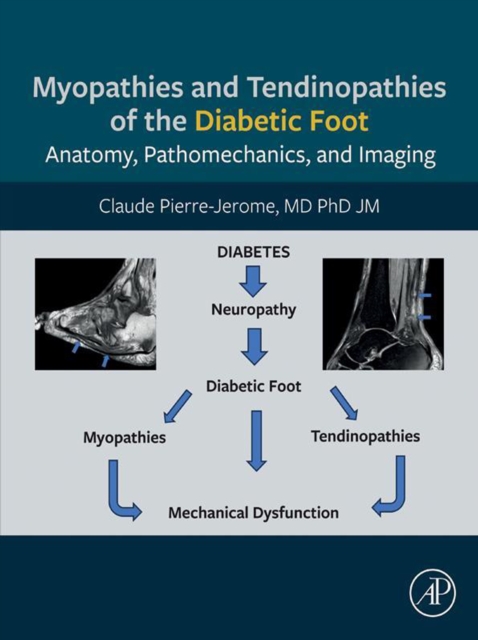
Myopathies and Tendinopathies of the Diabetic Foot: Anatomy, Pathomechanics, and Imaging is a unique reference of valuable instructive data that reinforces the understanding of myopathies and tendinopathies related to diabetes-induced Charcot foot.
Steroid Hormone Receptors in Endocrine Physiology and Diseases covers the role of steroid hormones in human physiology and receptor activity in the pathophysiology of disease.
BIDE's Diabetes Desk Book offers a holistic approach to diabetes management including the most current evidence-based recommendations for diagnosing and treating adults and children with all forms of diabetes, taking into consideration local needs and available resources.
Steroid Hormone Receptors in Endocrine Physiology and Diseases covers the role of steroid hormones in human physiology and receptor activity in the pathophysiology of disease.
BIDE's Diabetes Desk Book offers a holistic approach to diabetes management including the most current evidence-based recommendations for diagnosing and treating adults and children with all forms of diabetes, taking into consideration local needs and available resources.
Metabolic Syndrome: From Mechanisms to Interventions covers all aspects of this complex and multifactorial disease, providing a cutting-edge understanding of the problem of MetS, with a particular focus on its prevention and clinical management.
La Neurociencia es un campo del conocimiento humano que se vincula con el trabajo que realizan las neuronas, pero considera además, íntegramente, tanto en la visión básica como en la visión clínica, a las tradicionales células de glía, ya que los seres humanos, desde el punto de vista fundamental neurocelular, somos tanto neuronales como gliales.
Tutorials in Clinical Chemistry is designed for trainee pathology residents, clinical chemists, medical students, and clinical laboratory scientists, in addition to those preparing for board and postgraduate examination.
Tutorials in Clinical Chemistry is designed for trainee pathology residents, clinical chemists, medical students, and clinical laboratory scientists, in addition to those preparing for board and postgraduate examination.
THE INSTANT NEW YORK TIMES BESTSELLERLearn how to reboot your metabolism, build strength, and extend your life with this accessible new book that demonstrates the importance of muscle for health and longevity from the founder of the Institute for Muscle-Centric Medicine .
Ein Buch für Frauen und Männer, in den mittleren bis höheren Lebensjahren, für die die Prostata des Mannes plötzlich und unerwartet ein wichtiges körperliches Thema sein wird.
Stress: Immunology and Inflammation, Volume Five in the Handbook of Stress series, covers the influence physiologic stress has on immunity, immunology and inflammation.
Stress: Immunology and Inflammation, Volume Five in the Handbook of Stress series, covers the influence physiologic stress has on immunity, immunology and inflammation.
Myopathies and Tendinopathies of the Diabetic Foot: Anatomy, Pathomechanics, and Imaging is a unique reference of valuable instructive data that reinforces the understanding of myopathies and tendinopathies related to diabetes-induced Charcot foot.
Cardiovascular Endocrinology and Metabolism: Theory and Practice of Cardiometabolic Medicine discusses the close intersection between metabolic disorders and cardiovascular disease, covering the basic science and pathophysiology of disease and the latest research in pharmacological approaches and translational therapeutic options.
The Thinking Healthcare System: Artificial Intelligence and Human Equity is the first comprehensive book detailing the historical, global, and technical trends shaping the evolution of the modern healthcare system into its final form-an AI-driven thinking healthcare system, structured and functioning as a global digital health ecosystem.
**Selected for 2026 Doody's Core Titles in Obstetrics & Gynecology**Handbook of Obesity in Obstetrics and Gynecology addresses all aspects of general obstetrics and gynecology in obese patients, providing evidence-based guidance for the treatment and management of gynecological problems and pregnancy-related care in obese women.
Diabetes Mellitus: Impact on Bone, Dental and Musculoskeletal Health focuses on the under recognized and managed conditions associated with diabetes, including impacts on bone health, dental health, hand, and foot disorders, wounds, infections, and musculoskeletal disorders.
Understanding Insulin and Insulin Resistance is written in a simple and clear language illustrated with diagrams that show the complex interplay of various factors in the initiation of insulin resistance.
Nutritional Aspects of Osteoporosis is based on presentations given at the Fifth International Symposium on Nutritional Aspects of Osteoporosis held in Lausanne, Switzerland in 2003.
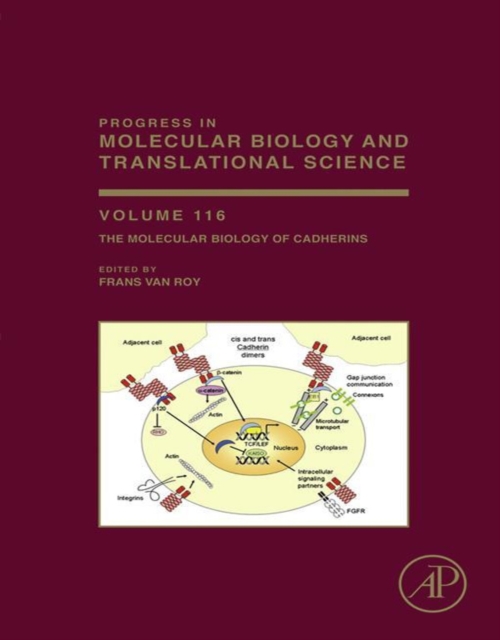
This volume of Progress in Molecular Biology and Translational Science focuses on the most recent research surrounding Cadherins from top experts in the field.
Maternal-Fetal and Neonatal Endocrinology: Physiology, Pathophysiology, and Clinical Management systematically examines the normal and abnormal endocrinology of the pregnant and lactating female and of the fetus and neonate.
Biomarkers in Bipolar Disorders summarizes cutting-edge findings in biomarkers' research, emphasizing the most promising findings, tools and technologies relevant to drug development and personalized medicine.
Diabetic Neuropathy identifies the most accurate early biomarkers of nerve damage to better understand pathophysiology and diagnose diabetic neuropathy in the clinical care of patients, and in particular, permit an accurate evaluation of future therapies in clinical trials.
**Selected for 2026 Doody's Core Titles in Obstetrics & Gynecology**Handbook of Obesity in Obstetrics and Gynecology addresses all aspects of general obstetrics and gynecology in obese patients, providing evidence-based guidance for the treatment and management of gynecological problems and pregnancy-related care in obese women.
Cardiovascular Endocrinology and Metabolism: Theory and Practice of Cardiometabolic Medicine discusses the close intersection between metabolic disorders and cardiovascular disease, covering the basic science and pathophysiology of disease and the latest research in pharmacological approaches and translational therapeutic options.
Fertility, Pregnancy, and Wellness is designed to bridge science and a more holistic approach to health and wellness, in particular, dealing with female-male fertility and the gestational process.
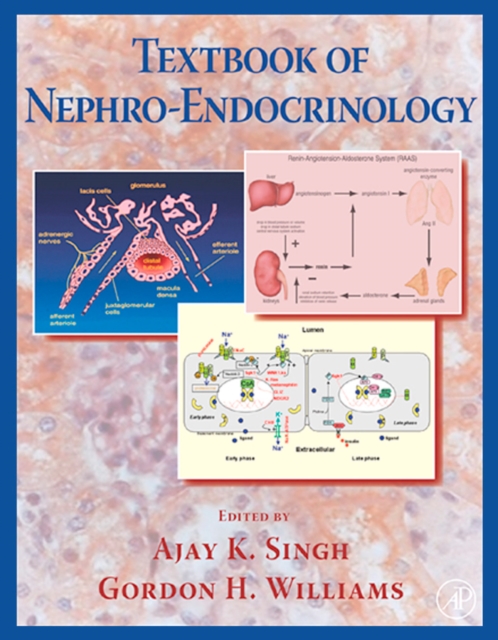
The Textbook of Nephro-Endocrinology is the definitive translational reference in the field of nephro-endocrinology, investigating both the endocrine functions of the kidneys and how the kidney acts as a target for hormones from other organ systems.
Sarcopenia: Molecular Mechanism and Treatment Strategies provides answers and guidance on a disease that has serious health consequences in terms of fractures, frailty, disability and diminished quality of life.
Principles and Practice of Ovarian Tissue Cryopreservation and Transplantation provides methods and techniques of ovarian tissue harvesting and cryopreservation, including instructional videos.
Global Health Complications of Obesity presents a valuable resource for research scientists and clinicians by covering the burden of obesity and related diseases and serving as a starting point for in-depth discussions in academic settings and for obesity-treatment specialists.
Diabetes Digital Health brings together the multifaceted information surrounding the science of digital health from an academic, regulatory, industrial, investment and cybersecurity perspective.
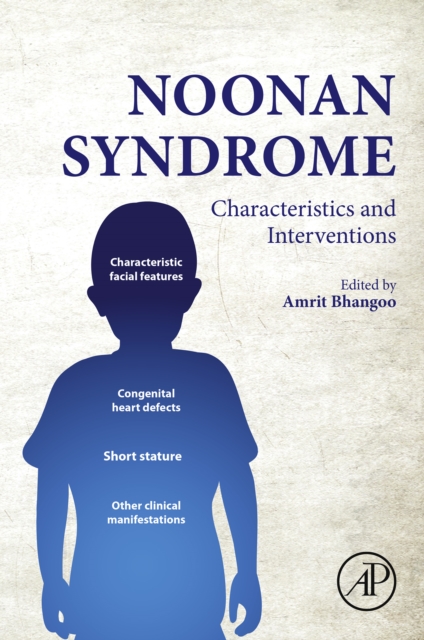
Noonan Syndrome: Characteristics and Interventions provides an in-depth analysis on this disorder that pediatric endocrinologists and primary care clinicians can use to make sure they provide affected patients with an updated model of care and appropriate treatment.