This detailed volume explores the NADPH oxidase family of enzymes in human physiology and genetic disease, in which early discoveries represent prime examples of the finest translational "e;from bed to bench and back"e; studies.
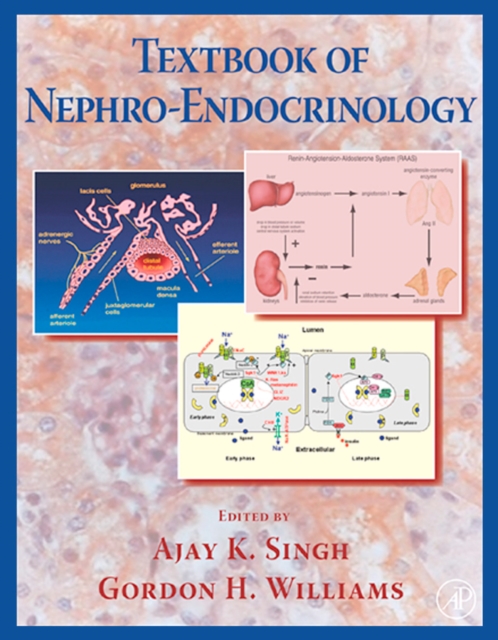
A qualitative leap in the understanding of cardiovascular and n- ral regulation by the renin-angiotensin system, and of the role of this s- tem in tissue damage, has occurred as a result of the many recent advances in molecular genetic techniques.
Investigations involving incisive mechanistic dissection of various types of synaptic plasticity have revealed that it plays key roles in neural development, sensory information processing, cortical remapping following brain injury, perception, and behavioral learning and memory.
Neuroproteomics: Methods and Protocols presents experimental details for applying proteomics to the study of the central nervous system (CNS) and its dysfunction through trauma and disease.
Divided into two convenient sections, Protein Kinase Technologies collects contributions from experts in the field examining recent methodologies and techniques generally applicable to protein kinase research as well as to individual protein kinases which require special attention in neuroscience.
Due to the significant contributions of carbohydrates to the functional diversity of the cell, the challenging study of the glycome has expanded beyond the research of carbohydrate experts and into the wider scope of the life sciences.
Activation, inhibition, or destruction of the nervous system or its component parts as a vital tool for the investigation of function has undergone remarkable development; indeed, new approaches have been developed that allow for these actions to be used as therapeutic tools.
As experimentation and clinical trials with first generation anti-angiogenic agents have yielded results and our understanding of the biology and physiology of blood and lymphatic vessels has increased, a new angiogenesis volume swiftly became a necessity.
Due to their vital involvement in a wide variety of housekeeping and specialized cellular functions, exocytosis and endocytosis remain among the most popular subjects in biology and biomedical sciences.
Continuing the research of the best-selling first edition, Patch-Clamp Analysis: Advanced Techniques, Second Edition collects three more years of research in the ever-expanding study of the cell membrane.
Major advances in molecular biology, alternative RNA splicing, protein processing, identification of gene control elements, transgenic animals and bioinformatics open up multiple research avenues and allow for better understanding of neuropeptide production and function.
In the past few years, the application of proteomics to examine the molecular mechanisms underlying (mal-)functioning of the nervous system and brain disorders has risen steeply, which in many cases has yielded novel insights.
Grown exponentially by the genomic revolution, the use of the rat as a model of choice for physiological studies continues in popularity and at a much greater depth of understanding.
Applying neurophysiological methods to the study of brain-behavior relationships proved to be a major advance in the early days of neuroscience research.
Evolving technologies starting with tracer studies, and more recently with genomics and proteomics, have provided novel information about the molecular properties of cerebral endothelium and astrocytes; however, further studies must be done in animal models of neurological diseases and in humans to get a clearer understanding of the pathogenesis of blood-brain barrier (BBB) breakdown in nervous system diseases.
Many unexplored complex cellular and organismal adaptations occur in response to the stress of alcohol exposure, and its contribution to the development of chronic diseases, such as osteoporosis, heart disease and diabetes, is particularly relevant today, given the increased incidence of these diseases in our aging population.
New and exciting biological functions are still being discovered for vitamin A derivatives, including the vast number of physiological activities of retinoids.
The study of functional glycomics requires the continuous development of rapid and sensitive methods for the identification of glycan structures and integration to structure-function relationships.
Hepatocytes account for approximately 80% of the liver mass and play a significant role in various aspects of liver physiopathology, exhibiting unrivaled complexity and diversity of functions.
Since the publication of the first edition, the techniques and experimental approaches employed in the study of adipose tissue have undergone radical expansion and revision.
In the last few years, technologies that allow for monitoring and manipulating neuronal networks at a single cell resolution have been rapidly expanding.
Patch Clamp Methods and Protocols surveys the typical patch clamp applications and advises scientists on identifying problems and selecting the best technique in each instance.
Meet the tiny-but-tough tardigrade and the awe-inspiring blue whale in this illustrated introduction to invertebrates, fish, amphibians, reptiles, birds, and mammals.
Channels and transporters are multi-functional proteins that mediate substrate transport and signal transmission and simultaneously act as regulators for other proteins and biosensors for environmental materials.
Cardiovascular Endocrinology and Metabolism: Theory and Practice of Cardiometabolic Medicine discusses the close intersection between metabolic disorders and cardiovascular disease, covering the basic science and pathophysiology of disease and the latest research in pharmacological approaches and translational therapeutic options.
The Laboratory Manual for Strength and Conditioning is a comprehensive text that provides students with meaningful lab experiences in the area of strength and conditioning and applied sport science.
With lyrical text, enchanting illustrations, and a beautiful fold-out scene to complete the story, this award-winning picture book takes you on a journey through the seasons and years as you follow a seed's transformation from a seedling to a sapling, then a young tree, until it becomes a large tree with its branches and roots filling the page.
Encyclopedia of Cell Biology, Second Edition, a Six Volume Set, has established itself as a fundamental reference work, providing broad coverage of the field in four main sections (Molecular, Organizational, Functional, Translational and Pathological Aspects of Cell Biology).
This reference book provides a comprehensive overview of natural gums, resins, and latexes of plants with a focus on their chemistry, biological activities, and practical uses.
The Thinking Healthcare System: Artificial Intelligence and Human Equity is the first comprehensive book detailing the historical, global, and technical trends shaping the evolution of the modern healthcare system into its final form-an AI-driven thinking healthcare system, structured and functioning as a global digital health ecosystem.
This book of the series on "e;Advances in Biochemistry in Health and Disease"e; includes state-of-the-art information on the status of renin-angiotensin system (RAS) in the form of 24 chapters.
This volume presents a collection of peer-reviewed papers on several areas in the field of biomechanics, including biofabrication; biomaterials; cardiovascular biomechanics, biofluids and hemodynamics; biomechanics of the injury/impact; biomechanics of rehabilitation; sports biomechanics; biomechanics of the skull and spine; biomechanics of the musculoskeletal system; biomechanics orofacial; orthopaedic biomechanics; experimental and numerical biomechanics; tissue engineering, and biomedical devices.