In the nearly 60 years since Watson and Crick proposed the double helical structure of DNA, the molecule of heredity, waves of discoveries have made genetics the most thrilling field in the sciences.
A groundbreaking book that examines all aspects of male aging through an evolutionary lensWhile the health of aging men has been a focus of biomedical research for years, evolutionary biology has not been part of the conversation-until now.
Offering a study of biological, biomedical and biocultural approaches, the second edition of Human Growth and Development is a valued resource for researchers, professors and graduate students across the interdisciplinary area of human development.
A valuable study of the science behind the medicine, Muscle: Fundamental Biology and Mechanisms of Disease brings together key leaders in muscle biology.
The development of the cardiovascular system is a rapidly advancing area in biomedical research, now coupled with the burgeoning field of cardiac regenerative medicine.
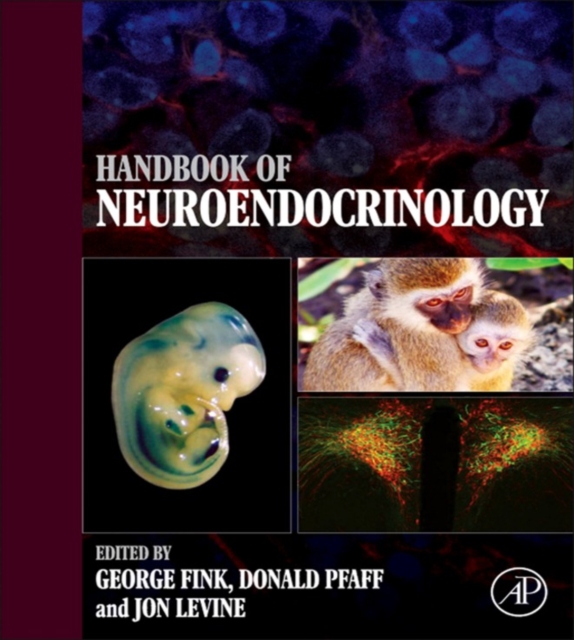
Neuroendocrinology, the discipline concerned with how the nervous system controls hormonal secretion and how hormones control the brain, is pivotal to physiology and medicine.
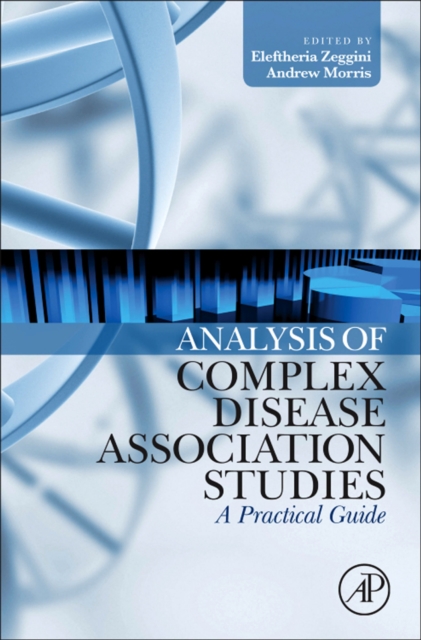
According to the National Institute of Health, a genome-wide association study is defined as any study of genetic variation across the entire human genome that is designed to identify genetic associations with observable traits (such as blood pressure or weight), or the presence or absence of a disease or condition.
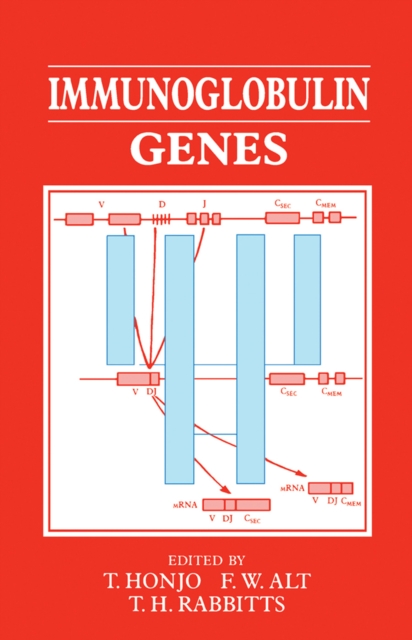
Immunoglobin Genes is the first comprehensive book on the structure, function, and expression of the genes encoding antibodies in normal and neoplastic cells.
Dietary fats and carbohydrates represent some eighty to ninety percent of food energy uptake in man; fatty acids play a critical role in human development, health and disease.
Once again, the text is fully illustrated with high quality color and black-and-white photographs, and carefully organized so as to aid both the newcomer and the established researcher to extend his or her field of expertise.
A single volume of 85 articles, the Handbook of the Neurobiology of Aging is an authoritative selection of relevant chapters from the Encyclopedia of Neuroscience, the most comprehensive source of neuroscience information assembled to date (AP Oct 2008).
Vasopressin and oxytocin are the key hormones of the hypothalamo-neurohypophysial system, and are well-known to be critically involved in antidiuresis, labor, and milk ejection.
Genetic approaches have revolutionized our understanding of the fundamental causes of human disease by permitting the identification of specific genes in which variation causes or contributes to susceptibility to, or protection from, disease.
Current Topics in Membranes provides a systematic, comprehensive, and rigorous approach to specific topics relevant to the study of cellular membranes.
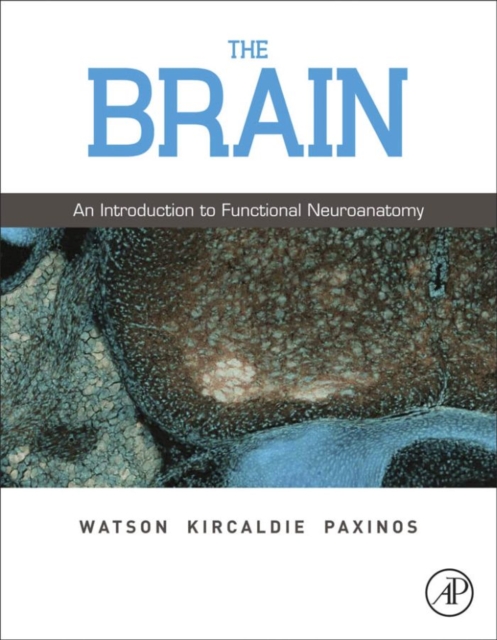
The authors of the most cited neuroscience publication, The Rat Brain in Stereotaxic Coordinates, have written this introductory textbook for neuroscience students.
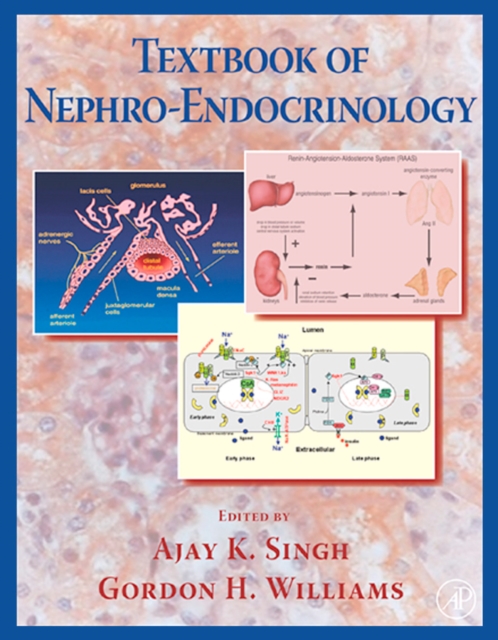
The Textbook of Nephro-Endocrinology is the definitive translational reference in the field of nephro-endocrinology, investigating both the endocrine functions of the kidneys and how the kidney acts as a target for hormones from other organ systems.
Medical Cell Biology, Third Edition, focuses on the scientific aspects of cell biology important to medical students, dental students, veterinary students, and prehealth undergraduates.
Significant advances in our knowledge of genetics were made during the twentieth century but in the most recent decades, genetic research has dramatically increased its impact throughout society.
The field of gender-specific medicine examines how normal human biology and physiology differ between men and women and how the diagnosis and treatment of disease differs as a function of gender.
Regulatory Mechanisms in Transcriptional Signaling, volume of Progress in Molecular Biology and Translational Science, includes in-depth discussion on roles of Chromatin remodeling proteins in nuclear receptor signaling, and the ANCCA regulator in cancer.
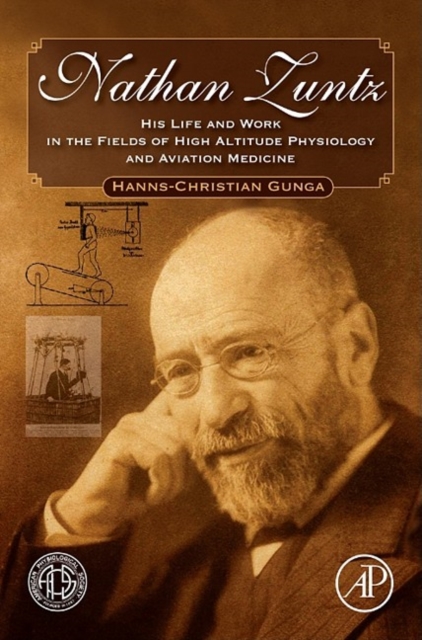
This book focuses on the life and work of Nathan Zuntz (1847-1920), a German physiologist, who made significant contributions to high altitude physiology and aviation medicine.
Explosion and Blast-Related Injuries is an authoritative text that brings together diverse knowledge gained from both the experience of clinicians treating blast casualties and the insights of scientists obtained from research and modeling of blast exposures.
Vitamin K, one of the group of fat-soluble vitamins (A, D, E and K), has come into prominence lately because its activity as a blood coagulation factor impinges on the widespread occurrence of deep vein thrombosis in the human population especially in the older age group.
The development of clinical computing systems is a rapidly growing priority area of health information technology, spurred in large measure by robust funding at the federal and state levels.
Anatomy of Neuropsychiatry presents the anatomical systems that take part in the scientific and clinical study of emotional functions and neuropsychiatric disorders.
Nutritional Aspects of Osteoporosis is based on presentations given at the Fifth International Symposium on Nutritional Aspects of Osteoporosis held in Lausanne, Switzerland in 2003.
This book provides the most up-to-date review of the simian virus 40 (SV40) minichromosome as a model for the mammalian chromosome in studies of DNA replication.
One of the only books discussing new advances in venous ulcer therapy, Venous Ulcers provides a comprehensive look at the molecular biology and pathophysiology of venous ulcers.
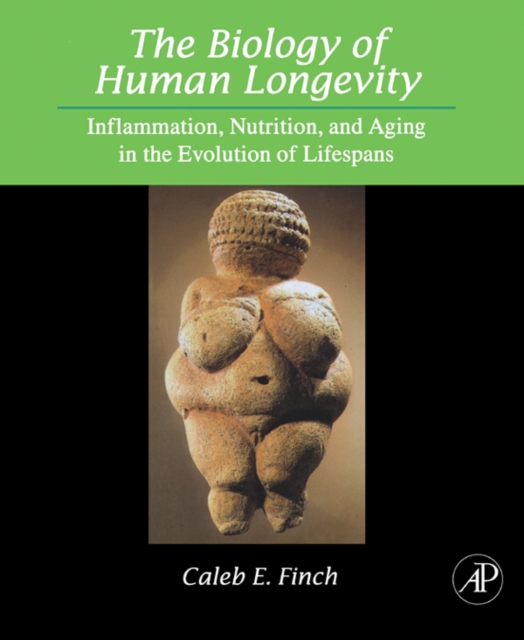
Written by Caleb Finch, one of the leading scientists of our time, The Biology of Human Longevity: Inflammation, Nutrition, and Aging in the Evolution of Lifespans synthesizes several decades of top research on the topic of human aging and longevity particularly on the recent theories of inflammation and its effects on human health.
The T Cell Receptor FactsBook contains entries on all the 176 functional variable, diversity, joining, and constant regions of the human T cell receptor, including alpha, beta, gamma, and delta loci.