This book is a journey around the vast subject of the thyroid, designed to share information about its functioning and the pathologies that can affect it.
This book is a journey around the vast subject of the thyroid, designed to share information about its functioning and the pathologies that can affect it.
During the 1936 Olympics in Berlin, Germany, United States basketball player Joe Fortenberry leaped into the air and stuffed the ball through the hoop.
The only source on the subject to offer both an overview and a disease-based approach, this reference text spans the wide array of technical, methodological, regulatory, and ethical issues related to pharmacogenetics and stresses the impact of pharmacogenetic data on patient care and management.
This second edition volume expands on the previous edition with new chapters and updated discussions on the latest advancements in the development and practice of metabolic phenotyping.
This second edition volume expands on the previous edition with new chapters and updated discussions on the latest advancements in the development and practice of metabolic phenotyping.
An Introduction to Cardiovascular Physiology provides the student with the key concepts of cardiovascular physiology, from the fundamentals of how the cardiovascular system works in both health and disease, through to a consideration of more complex physiological mechanisms.
The only source to describe the lung surfactant as a complex membranous system, this guide analyzes lung surfactant function from the aspects of molecular biology, biophysics, membrane science, and surface and interface analysis and reviews the latest basic and clinical issues relating to lung disease and (dys)function.
Operative procedures directly on the base of the brain, inner ear, and cranial nerves are inherently delicate undertakings and are further complicated by the difficulty of achieving easy access to this confined space.
Think and Grow Rich is a book written by Napoleon Hill and Rosa Lee Beeland released in 1937 and promoted as a personal development and self-improvement book.
In this comprehensive introductory book for Type 2 diabetes sufferers, and those at risk of developing the condition, Dr David Cavan explains how diabetes works in the body, the potential pitfalls of living with the disease, and how to avoid, delay - or even reverse - the symptoms.
Hereditary Gynecologic Cancer: Risk, Prevention and Management fills the need that exists for a book addressing highly relevant clinical issues associated with the new field of hereditary gynecologic cancers.
One completely unexplored area in terms of physiology is the era of dinosaurs - with good reason, they lived over 100 million years ago and we're left to make inference based on fossilized bones.
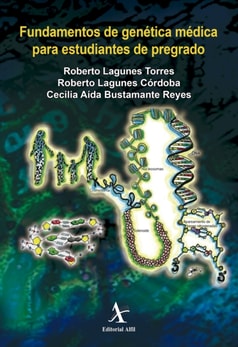
Esta obra no es un tratado de genética médica en el que se describen las enfermedades genéticas, sino que se trata de un libro en el que se describen los mecanismos genéticos desde el punto de vista de su función normal y de las alteraciones que estos mecanismos sufren y que pueden conducir a una enfermedad, un padecimiento, un síndrome o un complejo malformativo.
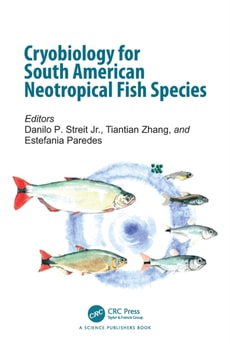
The book presents updated information on the cryopreservation of semen, embryos, germ cells and ovarian follicles of neotropical fish from South America.
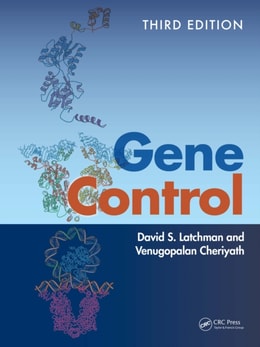
The new edition of Gene Control, for the first time, provides extensive coverage on prokaryotic gene regulation, which makes it the only textbook offering a complete and detailed account of gene control for both prokaryotic and eukaryotic organisms.
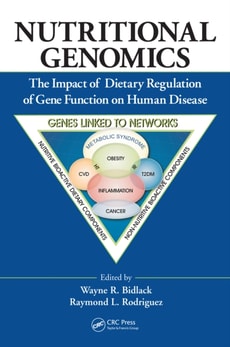
The notion of matching diet with an individual's genetic makeup is transforming the way the public views nutrition as a means of managing health and preventing disease.
Embryology Explained is an essential guide for medical students and residents, enriched with original illustrations by Dr Thomas Newman that navigate the complexities of embryonic development.
Surgery, Assisted Reproductive Technologies and Infertility describes the intersection of assisted reproductive technologies (ART) and surgery in the diagnosis and treatment of a variety of clinical disorders in reproduction.
Today, we are exposed to an increasing number of chemicals in the environment and there is a growing awareness of the effects of these chemicals on the ovaries.