*A new book in the Basic Concepts series*Explains the fundamental principles of neuroscience and helps students organize and condense the material they need to study*Level of the material progressively builds from simple to complex, enabling mastery of concepts*Content is presented in simple, jargon-free language*Critical need-to-know information is highlights in boxes*Numerous tables and charts help compare and contrast key information
Audience: First and Second year medical students; and Allied Health studentsCell Physiology is essential for medical students as it is the basis for understanding the more complex physiology topics they will eventually need to learnEmphasizes understanding key concepts rather than merely memorizing factsPacked with self-study questions, explicit diagrams, and clinical examplesCurrent and up-to-date basic and clinical science concepts all medical students are required to know
There's no easier, faster, or more practical way to learn the really tough subjectsGenetics Demystified offers an up-to-date, highly readable explanation of the basic principles of genetics, covering key topics such as human genetics, DNA, heredity, mutations, traits, chromosomes, and much more.
Using Stories to Build Bridges with Traumatized Children is full of creative ideas for how you can use stories therapeutically with children in counselling, life story work or direct work.
The second edition of Comparative Anatomy and Histology is aimed at the new rodent investigator as well as medical and veterinary pathologists who need to expand their knowledge base into comparative anatomy and histology.
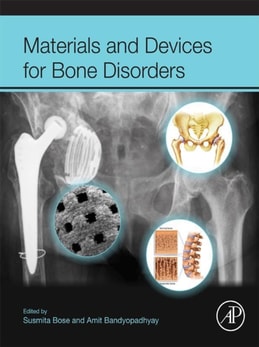
Materials for Bone Disorders is written by a cross-disciplinary team of research scientists, engineers, and clinicians and bridges the gap between materials science and bone disorders, providing integrated coverage of biomaterials and their applications.
Self-assessment Q&A in Clinical Laboratory Science, III, adds a variety of subject matter that addresses new concepts and emerging technology, particularly in the areas of kidney biomarkers, cancer biomarkers, molecular diagnostics, multiple myeloma, pharmacogenomics, novel cardiovascular biomarkers and biomarkers of neurologic diseases.
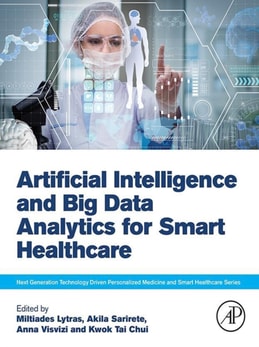
Artificial Intelligence and Big Data Analytics for Smart Healthcare serves as a key reference for practitioners and experts involved in healthcare as they strive to enhance the value added of healthcare and develop more sustainable healthcare systems.
Offering a study of biological, biomedical and biocultural approaches, the second edition of Human Growth and Development is a valued resource for researchers, professors and graduate students across the interdisciplinary area of human development.
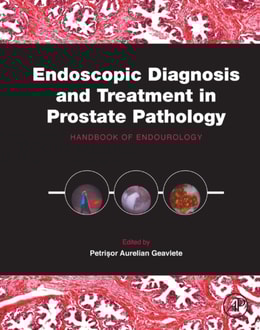
Handbook of Endourology contains five focused, review-oriented volumes that are ideal for students and clinicians looking for a comprehensive review rather than a whole course.
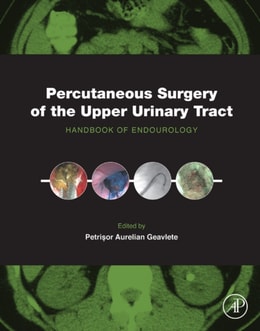
Percutaneous Surgery of the Upper Urinary Tract: Handbook of Endourology contains five focused, review-oriented volumes that are ideal for students and clinicians looking for a comprehensive review rather than a whole course.
Retrograde Ureteroscopy: Handbook of Endourology contains five focused, review-oriented volumes that are ideal for students and clinicians looking for a comprehensive review rather than a whole course.
The Electronic Health Record: Ethical Considerations analyses the ethical issues that surround the construction, maintenance, storage, use, linkage, manipulation and communication of electronic health records.
Closed Loop Neuroscience addresses the technical aspects of closed loop neurophysiology, presenting the implementation of these approaches spanning several domains of neuroscience, from cellular and network neurophysiology, through sensory and motor systems, and then clinical therapeutic devices.
100 years of Human Chorionic Gonadotropin: Reviews and New Perspectives is a collection of articles written by some of the world's leading experts on the pregnancy hormone and cancer marker hCG.
Our increased understanding of health and disease coupled with major technologic advances has resulted in rapid and significant changes in the practice of medicine.
Essential Clinical Anatomy of the Nervous System is designed to combine the salient points of anatomy with typical pathologies affecting each of the major pathways that are directly applicable in the clinical environment.
Stem Cell Manufacturing discusses the required technologies that enable the transfer of the current laboratory-based practice of stem cell tissue culture to the clinic environment as therapeutics, while concurrently achieving control, reproducibility, automation, validation, and safety of the process and the product.
Clinical Neuroendocrinology, a volume in the Handbook of Clinical Neurology Series gives an overview of the current knowledge in the field of clinical neuroendocrinology.
Laser Surface Modification of Biomaterials: Techniques and Applications covers this expanding field, which has many potential applications, including biomaterials.
Clinical Anatomy of the Cranial Nerves combines anatomical knowledge, pathology, clinical examination, and explanation of clinical findings, drawing together material typically scattered throughout anatomical textbooks.
The question of "e;what is thought"e; has intrigued society for ages, yet it is still a puzzle how the human brain can produce a myriad of thoughts and can store seemingly endless memories.
Trauma Plating Systems is the first reference and systematic book in the topic of trauma plating system in view of biomechanical, material, biological, and clinical aspects.
Diagnostic Molecular Pathology: A Guide to Applied Molecular Testing is organized around disease types (genetic disease, infectious disease, neoplastic disease, among others).
Introduction to EEG- and Speech-Based Emotion Recognition Methods examines the background, methods, and utility of using electroencephalograms (EEGs) to detect and recognize different emotions.
Vasopressin and oxytocin are the key hormones of the hypothalamo-neurohypophysial system, and are well-known to be critically involved in antidiuresis, labor, and milk ejection.
Handbook of Hormones: Comparative Endocrinology for Basic and Clinical Research collates fundamental information about the structure and function of hormones from basic biology to clinical use.
Understanding the importance and necessity of the role of autophagy in health and disease is vital for the studies of cancer, aging, neurodegeneration, immunology, and infectious diseases.
Volume 6 provides coverage of the mechanisms of regulation of autophagy; intracellular pathogen use of the autophagy mechanism; the role of autophagy in host immunity; and selective autophagy.
Regulatory Mechanisms in Transcriptional Signaling, volume of Progress in Molecular Biology and Translational Science, includes in-depth discussion on roles of Chromatin remodeling proteins in nuclear receptor signaling, and the ANCCA regulator in cancer.
Progress in Molecular Biology and Translational Science provides a forum for discussion of new discoveries, approaches, and ideas in molecular biology and translational science.
This book focuses on the life and work of Nathan Zuntz (1847-1920), a German physiologist, who made significant contributions to high altitude physiology and aviation medicine.
This easy-to-understand pocketbook in the highly respected Clark's stable of diagnostic imaging texts is an invaluable tool for student and practising radiographers, providing practical guidance to undertaking a wide range of mobile and theatre imaging examinations in multiple locations - different theatre environments, the Emergency Department, Intensive Care Units, including Neonatal Intensive Care Units, and on general wards.