This book addresses wound care in vascular surgery, neurosurgery and lower extremity ulcers, while also providing detailed information on the latest concepts in antimicrobial therapy.
This book presents a comprehensive overview of recent clinical techniques and findings regarding wounds in burns, infections of wounds, and wound management in general.
This book creatively communicates the human and professional sides of the journey to the first ever near total face transplant, the response to this milestone in the medical community, and the effect it has had on the individuals involved.
This book serves as an anatomic atlas of the nerves that innervate the joints of the human body in a format that also provides technical insight into pathways that both interventional pain management and surgical subspecialists can use to denervate those painful joints when traditional approaches to manage the pain are no longer successful.
This book describes the latest autologous fat transfer techniques used in connection with wrinkles, breast augmentation, breast reconstruction after ablation, middle face augmentation, scars, chronic wounds, gluteal augmentation and rejuvenation of the hand.
This book describes essential operative techniques that can be used to anatomically reconstruct the outer female genital in acquired deformities derived from ritual genital mutilation/cutting, and diseases causing similar deforming defects.
This book compiles the best evidence in procedural dermatology, including skin cancer surgery, laser techniques, minimally invasive cosmetic surgery, and emerging techniques.
Liposuction is currently the number one aesthetic surgical procedure performed by plastic surgeons in the United States and Americans spend more money on liposuction than on any other aesthetic surgical procedure.
Presenting step-by-step procedures written by experts in the field, this comprehensive clinical guide discusses the diagnosis (electrodiagnostic and ultrasound) and management of compressive neuropathies of the upper extremity.
The International Society of Plastic and Aesthetic Nurses (ISPAN) and ANA have collaborated to produce this foundational document for contemporary plastic and aesthetic nursing practice.
The International Society of Plastic and Aesthetic Nurses (ISPAN) and ANA have collaborated to produce this foundational document for contemporary plastic and aesthetic nursing practice.
Only in recent years new available technologies, the redefinition and refining of intervention techniques, and clinical research studies have widened the spectrum of fat applications in aesthetic and reconstructive surgery.
This book presents state of the art knowledge on new techniques and materials that can improve functional and aesthetic results in wound healing while reducing invasiveness, based on the author's extensive personal experience.
Acne, rosacea, and sebaceous hyperplasia are very common skin problems, which have a significant medical, cosmetic, and often psychological impact on the daily lives of millions of people.
This book discusses the scope and limitations of complex reconstructive surgery that few plastic surgeons master, and that the public rarely encounters, portraying both the technical challenges of advanced reconstructive microsurgery and the human connection between physician and patient as only a master surgeon can convey.
This book is a tribute to Dr Joan Chapple CNZM FRACS, who qualified as New Zealand's first formally trained female plastic surgeon in the late 1950s and practised as a plastic and hand surgeon in Auckland, New Zealand for over 38 years.
Learn a multitude of technical styles and techniques from the leading rhinoplasty surgeons in the worldThe most demanding and challenging of all aesthetic surgical procedures, rhinoplasty is made easily accessible in this practical, how-to book from the world's leading practitioners.
Facial Reconstruction after Mohs SurgeryThe growing worldwide incidence of melanoma and nonmelanoma skin cancers has driven the development of effective treatment methodologies.
A must-have companion resource to test knowledge of plastic surgery essentialsEssentials of Plastic Surgery: Q&A Companion, Second Edition by renowned plastic surgeons Alex P.
The go-to pocket, computer, tablet and smartphone reference on plastic surgery essentialsEssentials of Plastic Surgery, Third Edition by renowned plastic surgeon Jeffrey E.
A practical guide for women to accelerate and ease recovery from breast cancer surgery and other breast-related surgeries offers exercises to strengthen the body and relieve pain, uses real women's stories as examples, and addresses emotional issues involved.
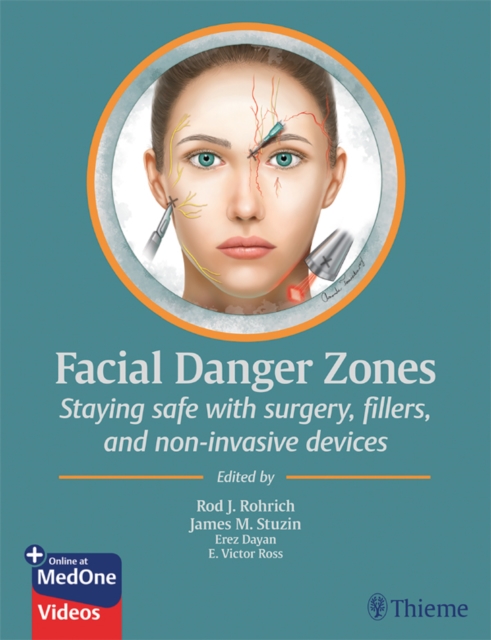
The definitive one-stop reference on safely navigating highly complex facial anatomyThe primary goal of Facial Danger Zones: Staying safe with surgery, fillers and non-invasive devices is to help surgeons achieve optimal results and maximize safe outcomes for a wide array of facial cosmetic procedures.
Essentials of Plastic Surgery: A Companion is the companion to Essentials of Plastic Surgery, Second Edition, which covers a wide variety of topics in aesthetic and reconstructive plastic surgery.
Presenting essential topics in aesthetic and reconstructive surgery, this second edition of the bestselling Essentials of Plastic Surgery has been totally revised and updated to reflect substantial advances in this dynamic specialty.
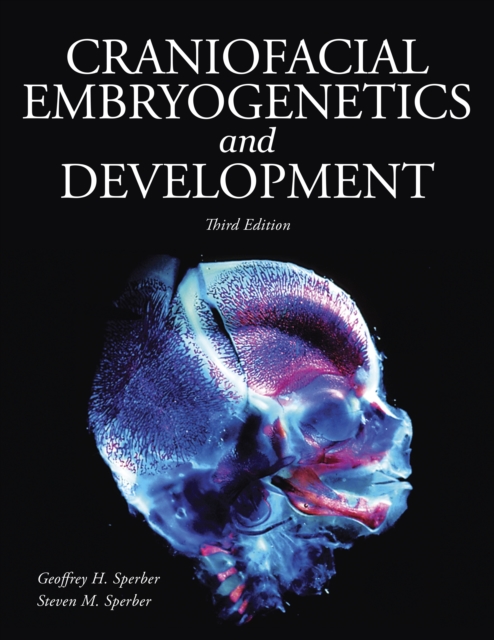
The third edition of Craniofacial Embryogenetics and Development is dedicated to increased understanding of normal and abnormal orofacial development by integrating embryological development with its underlying genetic information.
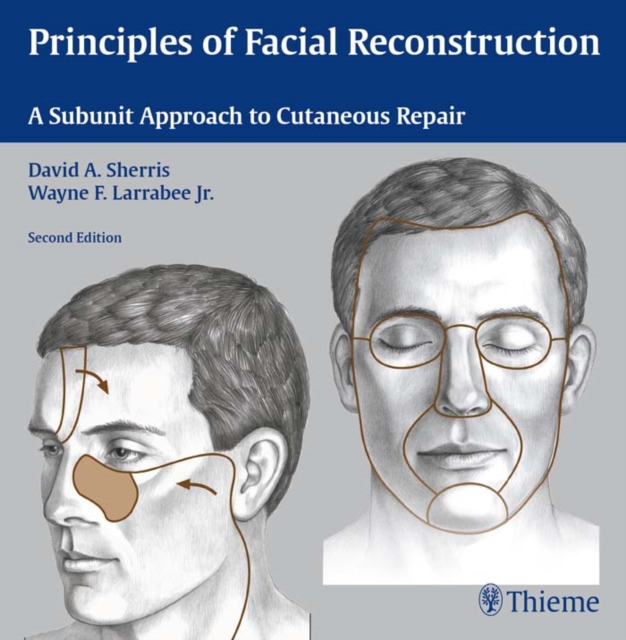
Returning in a second edition, this book is a beautifully illustrated guide to facial soft-tissue reconstruction, written by leading clinicians who share insights into the most effective techniques for managing a range of problems in this area of surgery.
As a result to the recent significant developments, both in the field of cutaneous pathology and clinical dermatology, many cutaneous neural tumors are now being diagnosed by specialists like dermatopathologists, and treated by dermatologists or dermatologic surgeons.
Regenerating damaged organs and tissues, an act that once was considered magic, is currently entrusted to the surgeons who have allowed us to move from replacement and reconstructive plastic surgery to regenerative plastic surgery, through autologous and allogeneic cell-based therapies and growth factors.
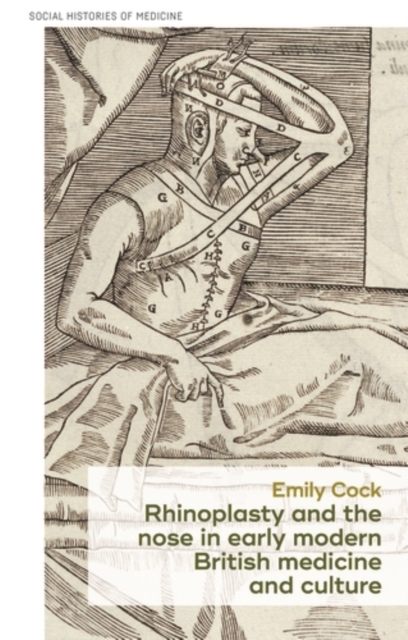
Challenging histories of plastic surgery that posit a complete disappearance of Gaspare Tagliacozzi's rhinoplasty operation after his death in 1599, Rhinoplasty and the nose in early modern British medicine and culture traces knowledge of the procedure within the early modern British medical community, through to its impact on the nineteenth-century revival of skin-flap facial surgeries.