- Over 200 exquisite illustrations, ranging from intraoperative photographs, line drawings, diagnostic images, pathology slides, tables and graphs are available to make each case discussed comprehensible and easy to follow.
This book gives an updated review of the state of the art in regenerative cell therapy in the fields of cardiology, hematology, pediatrics, neurology, orthopedics and infectious diseases.
Der zweite Band des Muskuloskelettalen Systems befasst sich mit der umfassenden Darstellung zur Diagnostik entzündlicher Knochenerkrankungen und beinhaltet neben den klassischen infektiösen auch die seltenen, primär chronischen Osteomyelitiden und den Morbus Paget.
Although decades of laboratory and clinical research have led to incremental improvement in treatment outcome, lung cancer remains one of the most deadly diseases.
The book was envisioned by bedside nurses caring for transplant and cellular therapy patients as a way to teach novice nurses and health care colleagues about the care required for this complex patient population.
This book covers recent pre-clinical and clinical developments in gasotransmitters (nitric oxide, carbon monoxide and hydrogen sulfide) in all transplantable solid organs - kidney, heart, lung, liver, pancreas and intestine.
The ASCRS Executive Council has authorized production of an updated historical text to commemorate the 125th Anniversary of the Society (2024), a sequel of sorts to From Mathews to the Millennium - A Century of Achievement: A History of the American Society of Colon and Rectal Surgeons 1899-1999.
This book offers a clinical and surgical overview on congenital spine malformations, which are abnormalities that occur during fetal development, leading to structural issues in the spine.
Pancreatic Disease: Basic Science and Clinical Management summarises the state of the art in basic science and clinical management of pancreatic disease.
Covering anatomical, clinical, pathological and laboratory aspects of surgical histopathology specimens, this book relates specimen dissection and its clinical context to relevant histopathology reports, and therefore a more comprehensive patient prognosis and management is possible.
This updated and revised third edition of Vascular Surgery: Cases, Questions and Commentaries provides a unique collection of real-life case histories, written by experts, that highlights the diversity of problems encountered in vascular surgery.
Despite the exponential growth in the use of peripheral CTA in the diagnosis and follow-up of vascular disease patients, practical sources from which to gain valuable expertise in this field remain scarce.
Much has been written about reperfusion injury in the past decade but unfortunately the information has been generally presented in the form of original specialist papers and little if any integral publication exists on the topic, summarising and analysing the clinical impact of the condition and its management.
Guide to Pediatric Urology and Surgery in Clinical Practice addresses the surgical and urological problems in children that may be encountered in the primary care clinic.
The second edition of Difficult Decisions in Thoracic Surgery: An Evidence- Based Approach addresses the growing complexity of decision making in thoracic surgery.
The seventh symposium on "e;Nutritional Aspects of Osteoporosis"e; continues to be the primary forum for scientists to focus on the impact of nutrition on bone health in general.
Robotic Urologic Surgery, Second Edition is an updated and revised technical manual focusing on the various robotic approaches to robotic urologic surgical procedures.
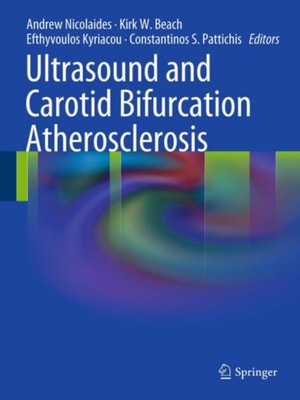
Ultrasound and Carotid Bifurcation Atherosclerosis provides a comprehensive overview of the most recent advancements in instrumentation, imaging techniques including the use of contrast enhancement agents, plaque image analysis and its automation, elastography and plaque motion analysis; also, the use of ultrasonic and other biomarkers in the detection of the high risk cardiovascular individual.
CT is an accurate technique for assessing cardiac structure and function, but advances in computing power and scanning technology have resulted in increased popularity.
Understanding the many complex cellular and molecular mechanisms underlying human vascular diseases is essential in improving the treatment of this important and wide-ranging group of diseases that affect a large proportion of the world po- lation.