Now in its fourth edition, Pathology of Laboratory Rodents and Rabbits has become a standard text for veterinary pathologists, laboratory animal veterinarians, students, and others interested in these species.
Now in its fourth edition, Pathology of Laboratory Rodents and Rabbits has become a standard text for veterinary pathologists, laboratory animal veterinarians, students, and others interested in these species.
With the advent of transgenic and other genetic engineering technologies, the versatility and usefulness of the mouse as a model in biomedical research has soared.
With the advent of transgenic and other genetic engineering technologies, the versatility and usefulness of the mouse as a model in biomedical research has soared.
Written by the international community's leading experts, Trace Elements in Laboratory Rodents describes the best and most current methods to provide deficient or supplemental trace elements to laboratory animals, as well as how to assay them.
Written by the international community's leading experts, Trace Elements in Laboratory Rodents describes the best and most current methods to provide deficient or supplemental trace elements to laboratory animals, as well as how to assay them.
Animal Models in Orthopaedic Research is a reference book of the major animal models used in the study of orthopaedic conditions and in the in vivo study of biomaterials.
Since the popular second edition of The Laboratory Swine was published more than a decade ago, the number of pigs used in toxicity studies has increased as an alternative to commonly used non-rodent species, while, at the same time, large developments have been made in welfare concepts of laboratory animals.
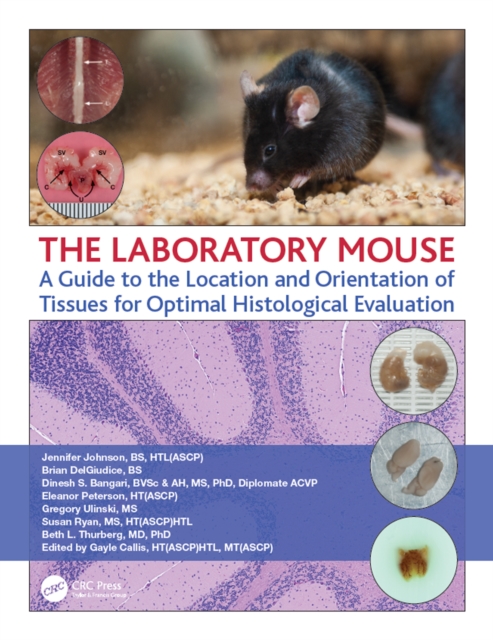
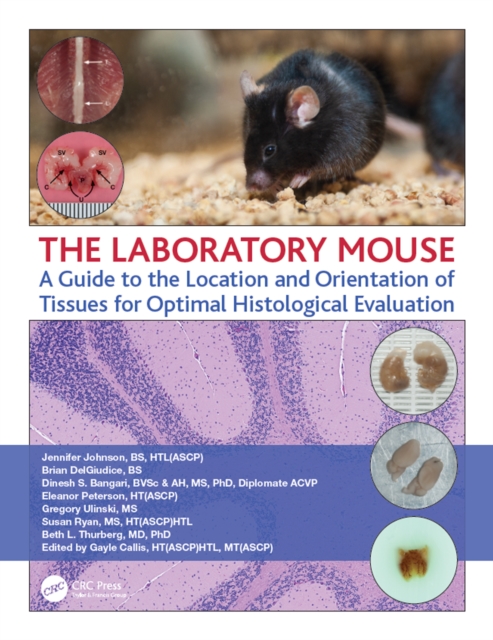
Key features: High quality full color photographs and descriptive texts on the location and removal of the organs from the mouse Instructive methods and clear visuals for trimming and orienting the organs for paraffin histology to obtain the best possible sections for analysis Full color photomicrographs of the resulting section for each organ stained with hematoxylin and eosin demonstrating important features and landmarks for the histologist to ensure the optimal area for analysis is achieved All in one, easy to use guide organized by individual organs of the laboratory mouse Spiralbound for easy reference in the lab This "e;one-stop"e; guide offers an essential resource for any academic, research or development operation where mouse necropsy and/or histology are performed.
Key features: High quality full color photographs and descriptive texts on the location and removal of the organs from the mouse Instructive methods and clear visuals for trimming and orienting the organs for paraffin histology to obtain the best possible sections for analysis Full color photomicrographs of the resulting section for each organ stained with hematoxylin and eosin demonstrating important features and landmarks for the histologist to ensure the optimal area for analysis is achieved All in one, easy to use guide organized by individual organs of the laboratory mouse Spiralbound for easy reference in the lab This "e;one-stop"e; guide offers an essential resource for any academic, research or development operation where mouse necropsy and/or histology are performed.
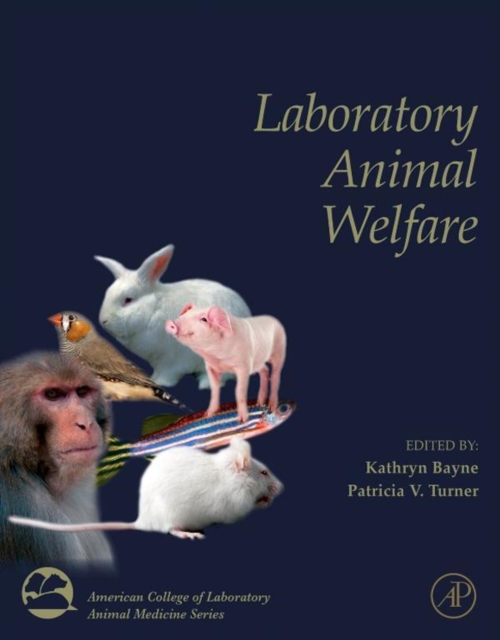
The concept of the 3Rs (Refinement, Reduction and Replacement) has been used as a framework for improving the welfare of laboratory animals for the last half century.
The concept of the 3Rs (Refinement, Reduction and Replacement) has been used as a framework for improving the welfare of laboratory animals for the last half century.
Clear guidelines on the proper care and use of laboratory animals are being sought by researchers and members of the many committees formed to oversee animal care at universities as well as the general public.
This new editiona must for all researchers who use these lab animalsprovides practical suggestions for breeding, keeping, and identifying pathogen-free laboratory rodents.
Expanding on the National Research Council's Guide for the Care and Use of Laboratory Animals, this book deals specifically with mammals in neuroscience and behavioral research laboratories.
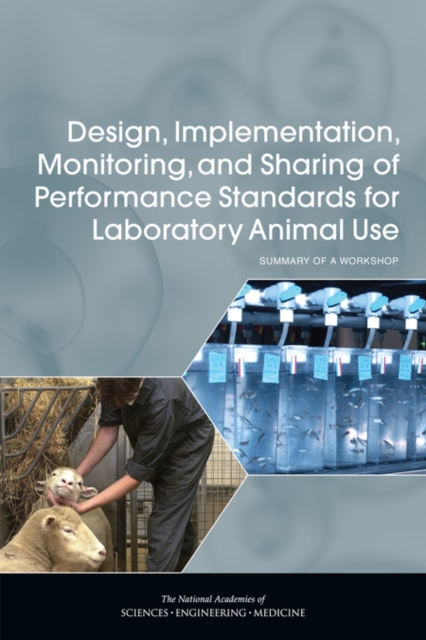
In order to better understand the critical issues pertaining to the concept of performance standards for laboratory animal use, the Institute for Laboratory Animal Research Roundtable on Science and Welfare in Laboratory Animal Use held a public workshop on April 20-21, 2015.
Expanding on the National Research Council's Guide for the Care and Use of Laboratory Animals, this book deals specifically with mammals in neuroscience and behavioral research laboratories.
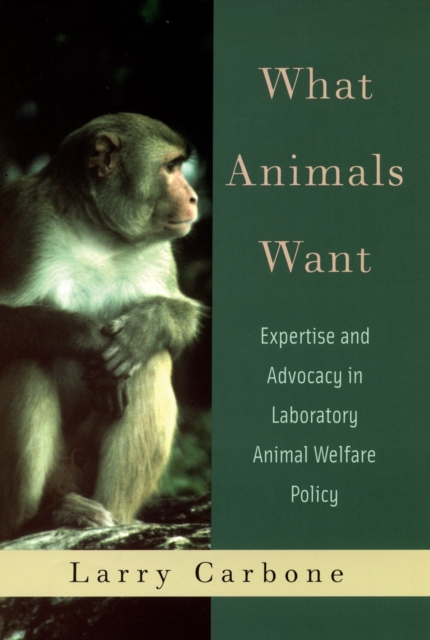
Larry Carbone, a veterinarian who is in charge of the lab animal welfare assurance program at a major research university, presents this scholarly history of animal rights.
Larry Carbone, a veterinarian who is in charge of the lab animal welfare assurance program at a major research university, presents this scholarly history of animal rights.
Laboratory Animals: Regulations and Recommendations for the Care and Use of Animals in Research, Second Edition, is the only publication to offer a global compilation of standards on the care, welfare and use of animals in research.
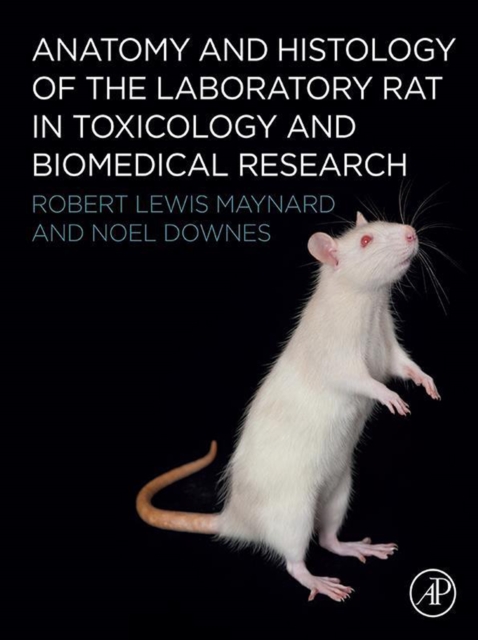
Anatomy and Histology of the Laboratory Rat in Toxicology and Biomedical Research presents the detailed systematic anatomy of the rat, with a focus on toxicological needs.
Notes in the Category C: Reflections on Laboratory Animal Care and Use addresses how to improve laboratory animal care and use, also characterizing the current state of the industry and speculating on its long-term future.
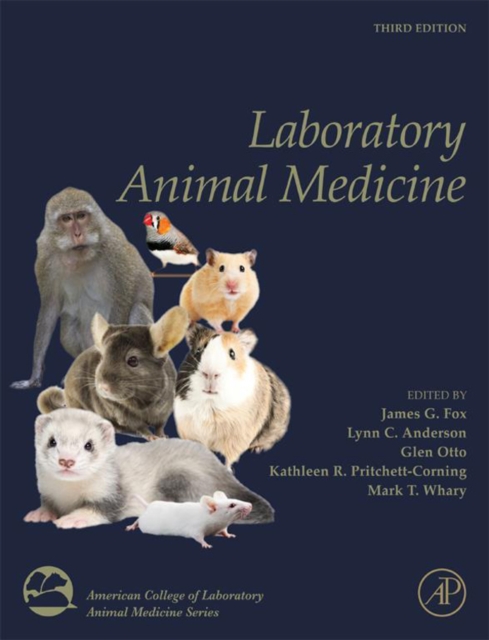
Laboratory Animal Medicine, Third Edition, is a fully revised publication from the American College of Laboratory Medicine's acclaimed blue book series.
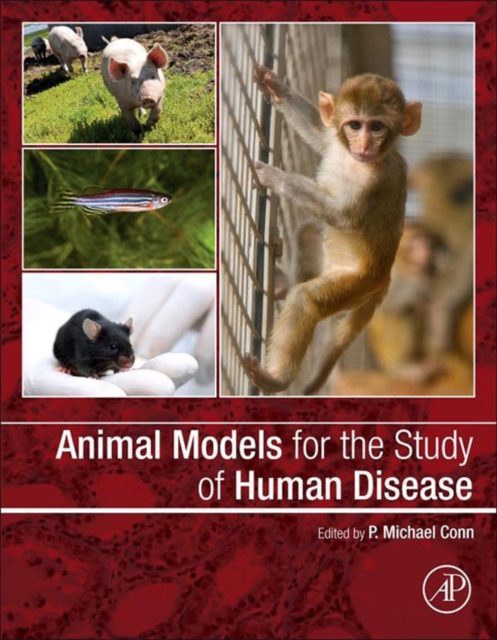
Animal Models for the Study of Human Disease identifies important animal models and assesses the advantages and disadvantages of each model for the study of human disease.
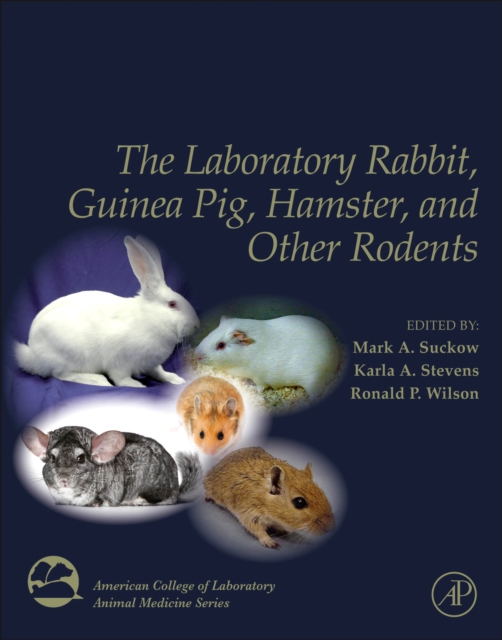
The Laboratory Rabbit, Guinea Pig, Hamster, and Other Rodents is a single volume, comprehensive book sanctioned by the American College of Laboratory Animal Medicine (ACLAM), covering the rabbit, guinea pig, hamster, gerbil and other rodents often used in research.
Anesthesia and Analgesia in Laboratory Animals focuses on the special anesthetic, analgesic, and postoperative care requirements associated with experimental surgery.
A volume in the Handbook of Experimental Animals series, The Laboratory Primate details the past and present use of primates in biomedical research, and the husbandry, nutritional requirements, behaviour, and breeding of each of the commonly used species.