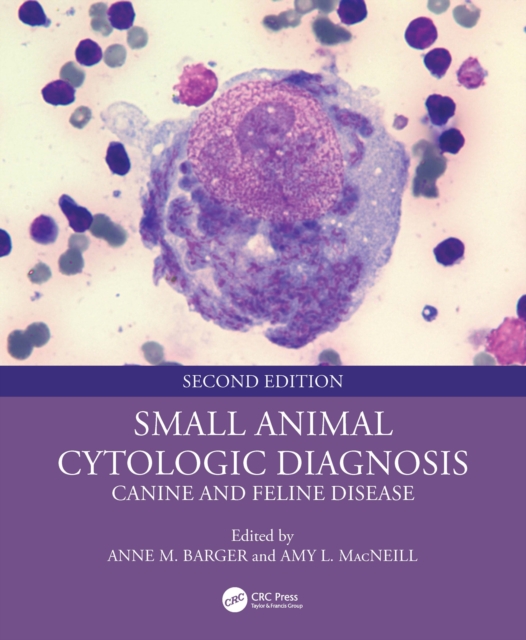
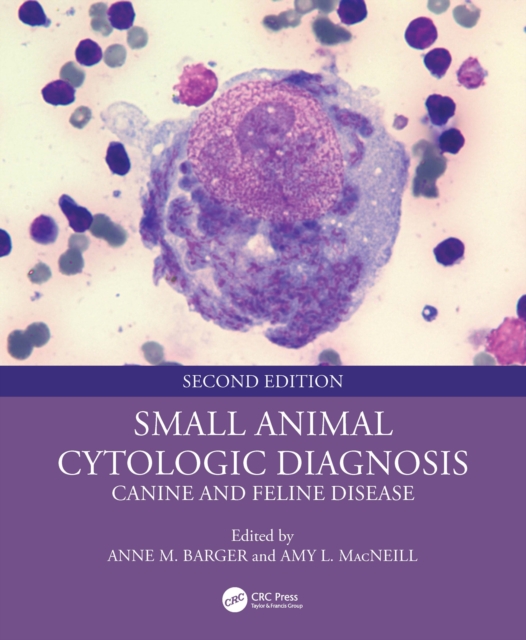
This second edition of Small Animal Cytologic Diagnosis presents clinically applicable information about the use of cytology in small animals and indicates when advanced diagnostic testing can be beneficial to diagnose underlying disease processes.
This second edition of Small Animal Cytologic Diagnosis presents clinically applicable information about the use of cytology in small animals and indicates when advanced diagnostic testing can be beneficial to diagnose underlying disease processes.
El tema central de esta obra es el mantenimiento de la condición ácido-base, los desequilibrios y la compensación de las alteraciones en caninos, bovinos y equinos.
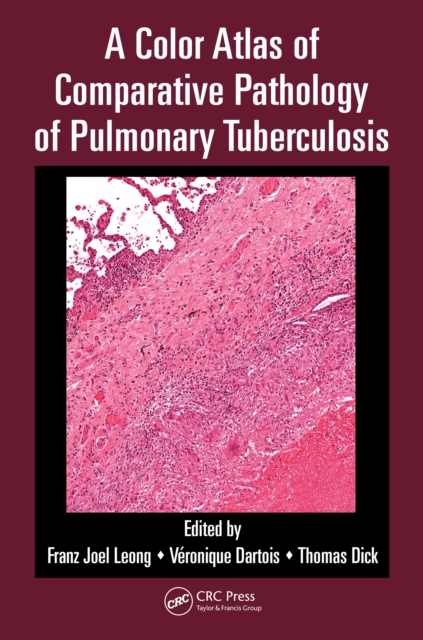
An annual death toll of 2 million, coupled with rising drug resistance, highlights the need for the development of new drugs, better diagnostics, and a tuberculosis (TB) vaccine.
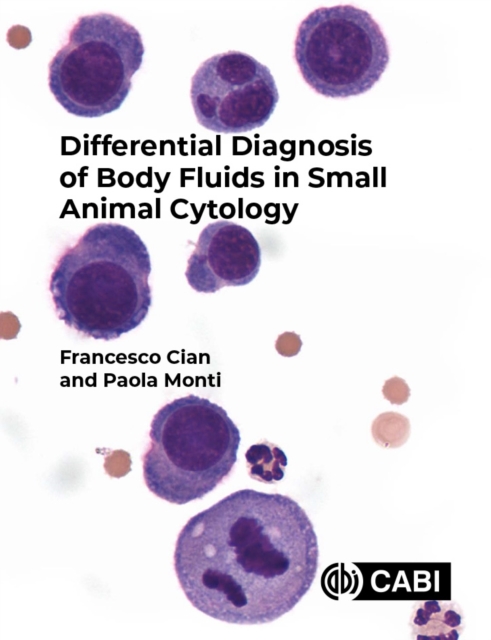
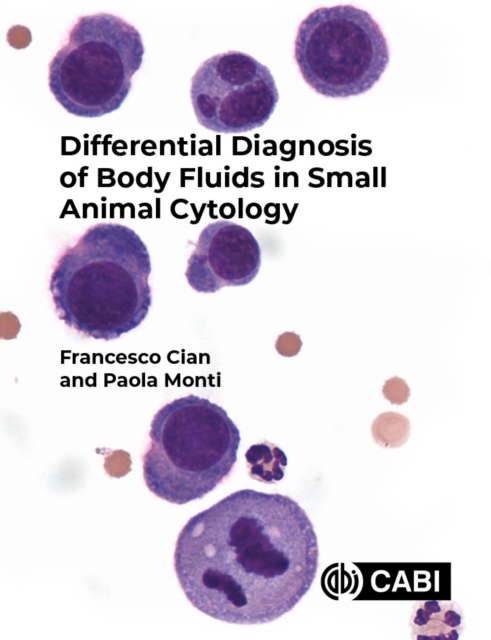
Illustrated with high quality photomicrographs, Differential Diagnosis of Body Fluids in Small Animal Cytology provides a comprehensive review of fluid cytology, with an extensive visual atlas.
Illustrated with high quality photomicrographs, Differential Diagnosis of Body Fluids in Small Animal Cytology provides a comprehensive review of fluid cytology, with an extensive visual atlas.
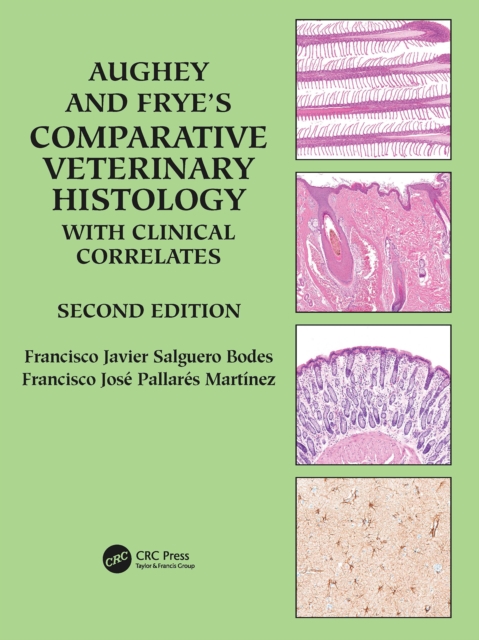
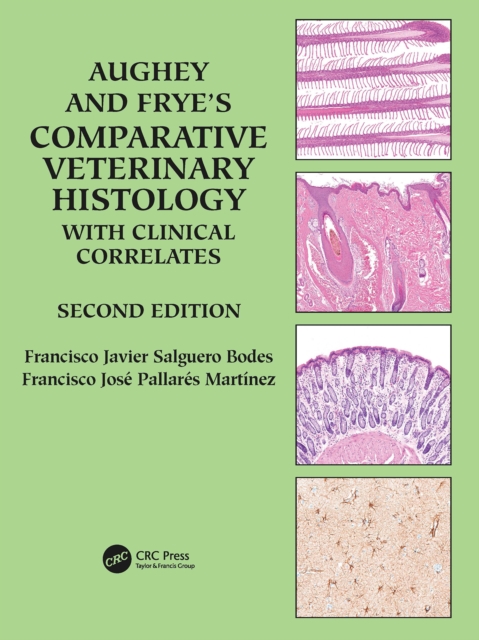
Organised by body system, the new edition of this highly illustrated textbook covers the normal histological appearance of tissues in a wide range of animals, both domestic and exotic species, with relevant clinical correlates emphasising the need to appreciate the normal in order to recognise the abnormal.
Organised by body system, the new edition of this highly illustrated textbook covers the normal histological appearance of tissues in a wide range of animals, both domestic and exotic species, with relevant clinical correlates emphasising the need to appreciate the normal in order to recognise the abnormal.
La publicacion de este libro representa un importante paso en documentar, analizar y comentar los retos pasados, presentes y futuros relacionados con la Salud Publica Veterinaria (SPV).
Este texto esta dirigido a medicos veterinarios y otros profesionales del sector que esten relacionados con la problematica del diagnostico y el control de parasitos internos que afectan a los animales domesticos y silvestres, asi como al hombre.
This book is a comprehensive resource for veterinary oncologists and trainees, covering therapeutic strategies used in the treatment of veterinary patients.
This book accompanies Infectious Diseases and Pathology of Reptiles, Second Edition to cover noninfectious diseases of reptiles, meeting the need for a similar, authoritative single-source reference.
Veterinary Forensics: Investigation, Evidence Collection, and Expert Testimony will provide anyone involved in an investigation of an animal involved crime or civil action with the knowledge and tools that can give guidance for their actions in completing a forensic investigation.
An annual death toll of 2 million, coupled with rising drug resistance, highlights the need for the development of new drugs, better diagnostics, and a tuberculosis (TB) vaccine.
Key features:Serves as the detailed, authoritative source of the clinical chemistry of the most commonly used laboratory animalsIncludes detailed chapters dedicated to descriptions of clinical chemistry-related topics specific to each laboratory species as well as organ/class-specific chaptersPresents information regarding evaluation and interpretation of a variety of individual clinical chemistry end pointsConcludes with detailed chapters dedicated to descriptions of statistical analyses and biomarker development of clinical chemistry-related topicsProvides extensive reference lists at the end of each chapter to facilitate further studyExtensively updated and expanded since the publication of Walter F.
Key features: Full-colour with over 240 photomicrographs Covers the dog, the cat, the horse, and the cow The new edition adds 89 brand new cases and updates all the existing content to ensure its continued relevance in practice Adds 'Frequently Asked Questions' at the end the book to further test the reader's knowledge This highly visual book provides a comprehensive survey of cytological features and patterns as an aid to study, revision and continuing education for veterinarians in practice and training.
Key features: Full-colour with over 240 photomicrographs Covers the dog, the cat, the horse, and the cow The new edition adds 89 brand new cases and updates all the existing content to ensure its continued relevance in practice Adds 'Frequently Asked Questions' at the end the book to further test the reader's knowledge This highly visual book provides a comprehensive survey of cytological features and patterns as an aid to study, revision and continuing education for veterinarians in practice and training.
Veterinary Forensics: Investigation, Evidence Collection, and Expert Testimony will provide anyone involved in an investigation of an animal involved crime or civil action with the knowledge and tools that can give guidance for their actions in completing a forensic investigation.
Key features:Serves as the detailed, authoritative source of the clinical chemistry of the most commonly used laboratory animalsIncludes detailed chapters dedicated to descriptions of clinical chemistry-related topics specific to each laboratory species as well as organ/class-specific chaptersPresents information regarding evaluation and interpretation of a variety of individual clinical chemistry end pointsConcludes with detailed chapters dedicated to descriptions of statistical analyses and biomarker development of clinical chemistry-related topicsProvides extensive reference lists at the end of each chapter to facilitate further studyExtensively updated and expanded since the publication of Walter F.
While there are several recent books on this emerging field, Veterinary Forensic Medicine and Forensic Sciences sets the bar, covering all relevant aspects in a succinct, easy-to-read, comprehensive format designed to be taught in a single-semester course.
While there are several recent books on this emerging field, Veterinary Forensic Medicine and Forensic Sciences sets the bar, covering all relevant aspects in a succinct, easy-to-read, comprehensive format designed to be taught in a single-semester course.
Veterinarian's Guide to Maximizing Biopsy Results helps veterinary practitioners in obtaining high-quality biopsy samples, maximizing the results and minimizing the cost.