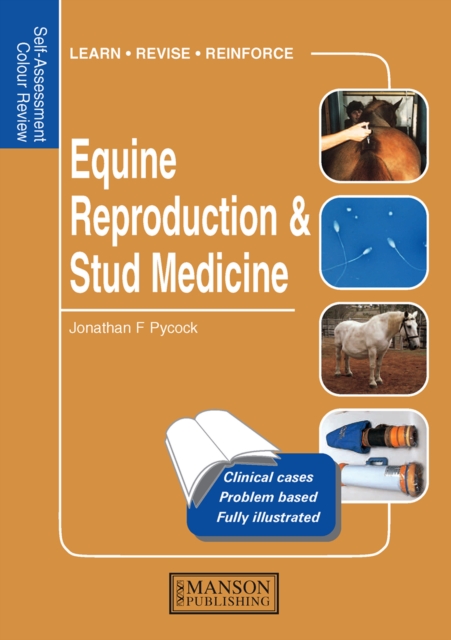
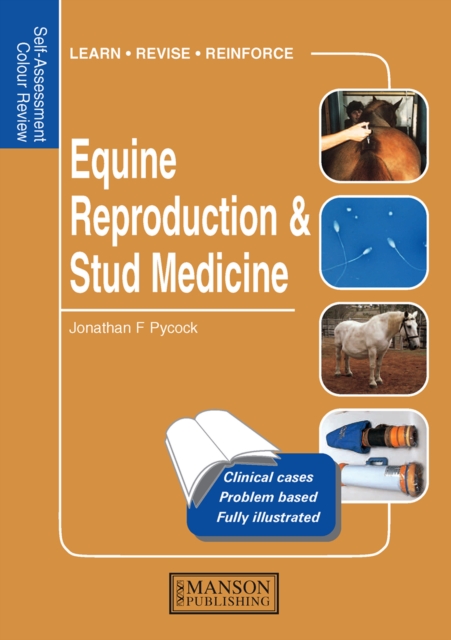
Involvement with equine reproduction is very common for the veterinarian in practice, and there is enormous demand for continuing education, particularly in the light of recent changes in science and practice, such as the routine use of ultrasound, improved standards of foal care, and the importance of artificial insemination.
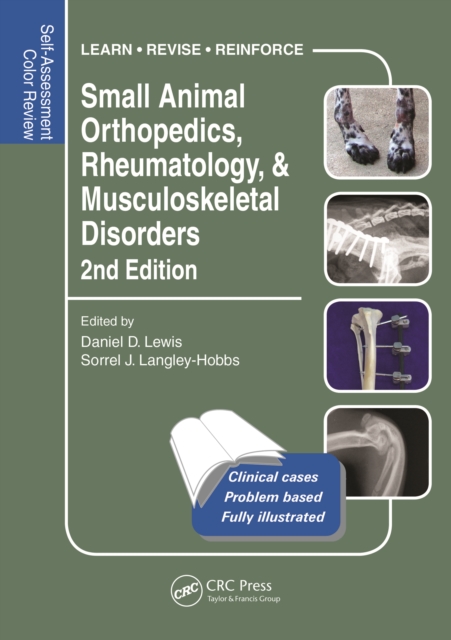
Designed for veterinary students, small animal practitioners, veterinarians undertaking further surgical training, and those with specific interests in orthopedics, canine sports medicine, and rehabilitative medicine, this book is an illustrative, self-directed educational tool.
Concise, problem-oriented, and accessibly designed, the second edition of the Pocket Handbook of Small Animal Medicine focuses on the essentials of medicine and surgery of the dog and cat.
Concise, problem-oriented, and accessibly designed, the second edition of the Pocket Handbook of Small Animal Medicine focuses on the essentials of medicine and surgery of the dog and cat.
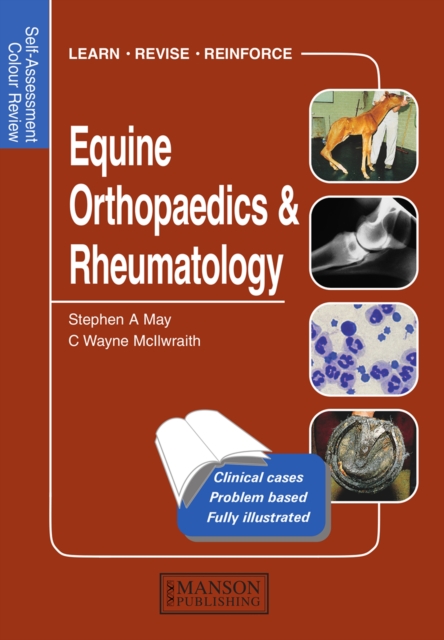
This book covers a wide range of orthopedic and rheumatological problems encountered in equine veterinary practice and is invaluable to professionals in practice as well as veterinary and equine students.
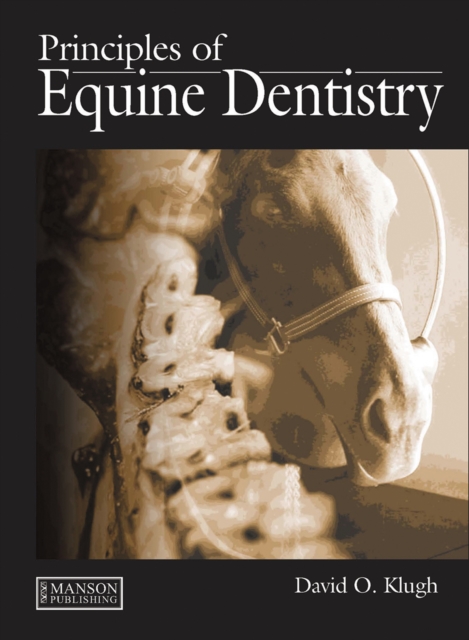
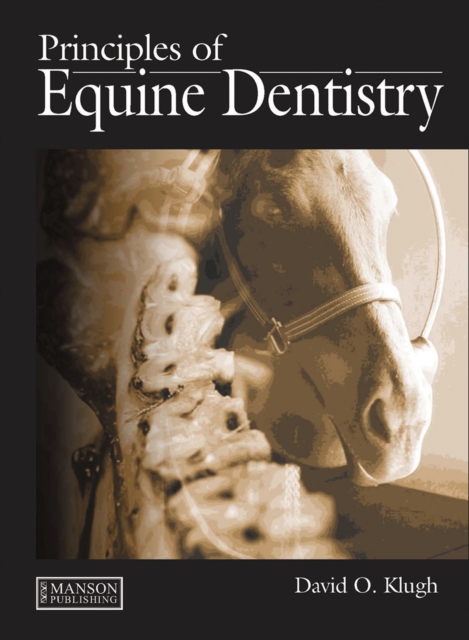
The equine dentition (hypsodont) develops differently from that of humans and small animals (brachydont) yet many of the principles of general dentistry are applicable to the equine species.
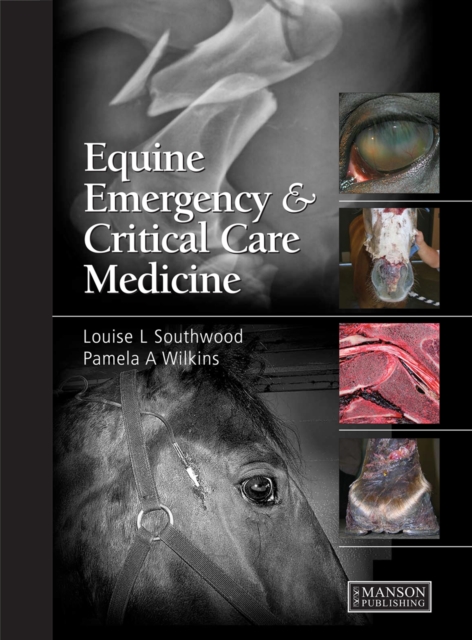
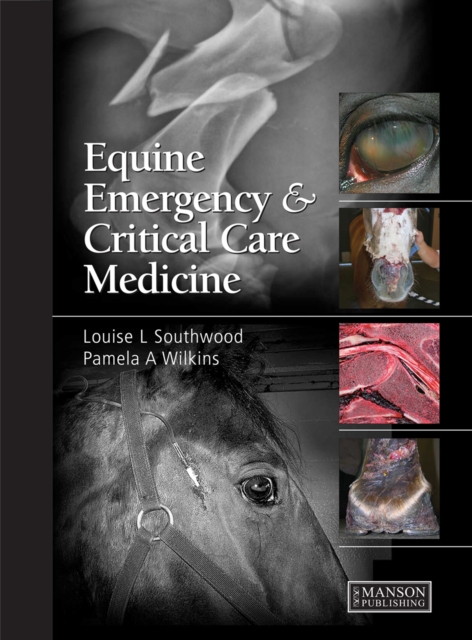
Early recognition of problems by owners, appropriate first aid, and timely referral by field veterinarians improves the survival chance of horses requiring emergency management and critical care.
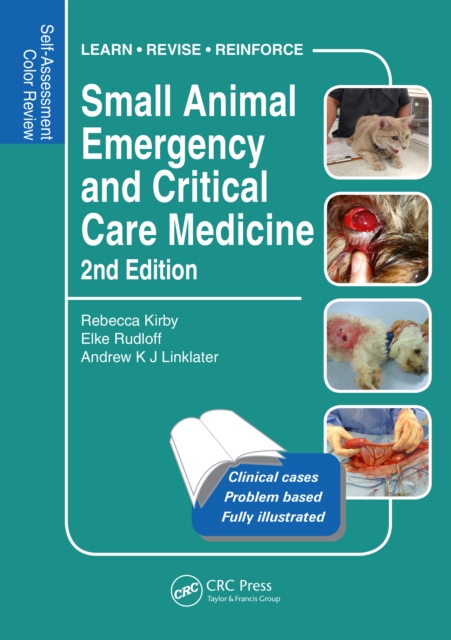
Written by a team of highly skilled authors, this book contains new cases covering all aspects of emergency and critical care medicine where a co-ordinated team approach to patient care is needed.
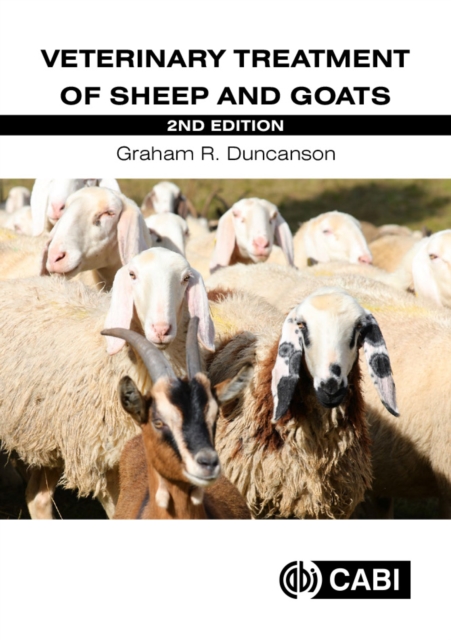
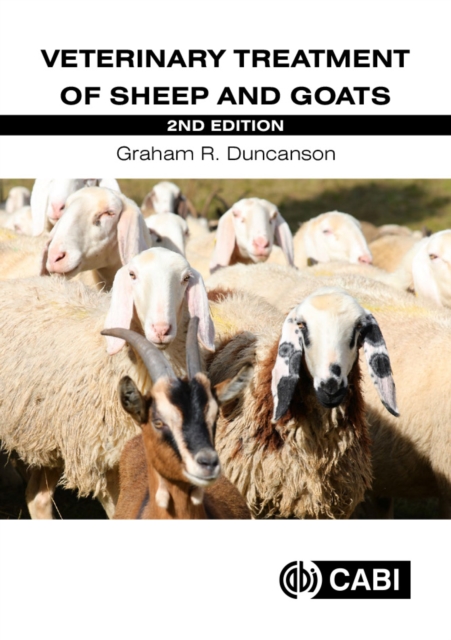
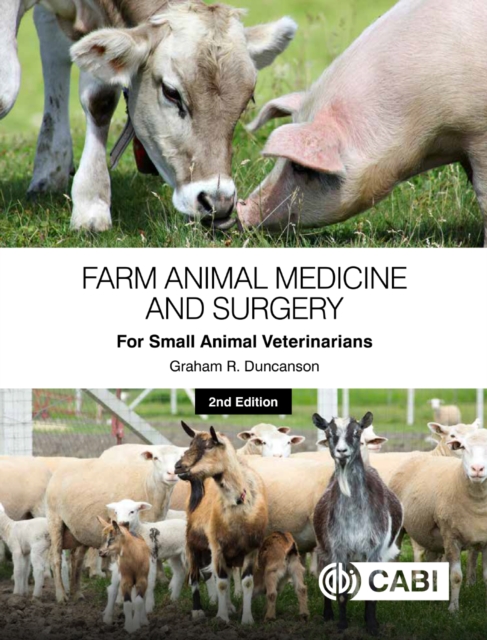
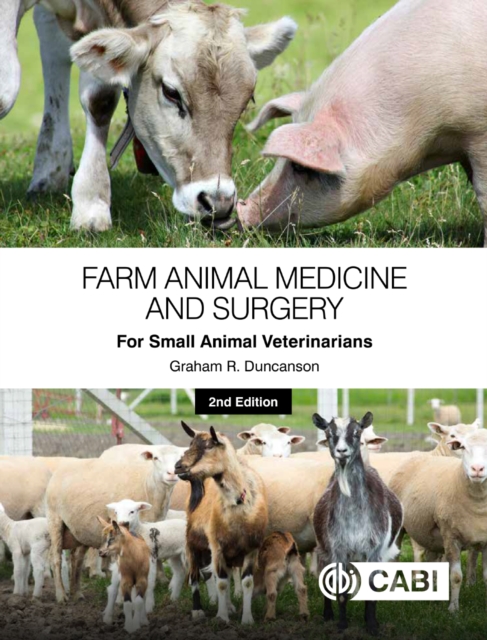
Small animal veterinarians are increasingly taking on caseloads that include farm animals, with cases being presented by local hobby farmers, smallholders, and 'novelty pet' owners.
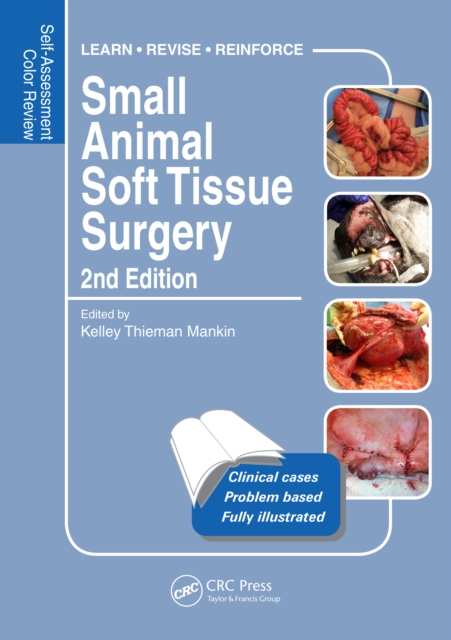
Presented in a question-and-answer format with all new cases, this new edition of a bestselling book provides a broad overview of small animal soft tissue surgery.
Small animal veterinarians are increasingly taking on caseloads that include farm animals, with cases being presented by local hobby farmers, smallholders, and 'novelty pet' owners.
This concise, practical text covers the essential information veterinary students need to succeed in equine medicine and surgery, focussing on skin, urinary, liver and endocrine diseases.
This concise, practical text covers the essential information veterinary students need to succeed in equine medicine and surgery, focussing on skin, urinary, liver and endocrine diseases.
In an area of growing interest to veterinarians, the authors have produced a rapid reference to the practical clinical aspects of small animal dentistry.
In this thoroughly updated and much expanded third edition, this book provides comprehensive coverage of the world of veterinary anesthesia and pain management.
Early recognition of problems by owners, appropriate first aid, and timely referral by field veterinarians improves the survival chance of horses requiring emergency management and critical care.
In an area of growing interest to veterinarians, the authors have produced a rapid reference to the practical clinical aspects of small animal dentistry.
Involvement with equine reproduction is very common for the veterinarian in practice, and there is enormous demand for continuing education, particularly in the light of recent changes in science and practice, such as the routine use of ultrasound, improved standards of foal care, and the importance of artificial insemination.
The equine dentition (hypsodont) develops differently from that of humans and small animals (brachydont) yet many of the principles of general dentistry are applicable to the equine species.