Ein praktischer Begleiter für Ihre TherapieDieses Manual richtet sich an Menschen mit einer dissoziativen Identitätsstörung (DIS) oder einer nicht näher bezeichneten dissoziativen Störung (NNBDS) sowie an ihre Therapeutinnen und Therapeuten.
Heidi Höppner war 2002 die erste Physiotherapie-Professorin in Deutschland und hat die Entwicklung des Berufs einschließlich seiner wissenschaftlichen Grundlegungen in den letzten Jahrzehnten immens vorangetrieben.
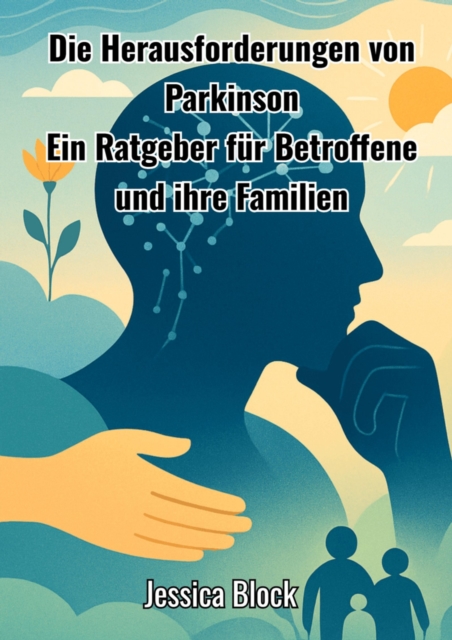
Die Herausforderungen von Parkinson sind in der heutigen Zeit ein zentrales Thema, da immer mehr Menschen mit chronischen Erkrankungen konfrontiert sind.
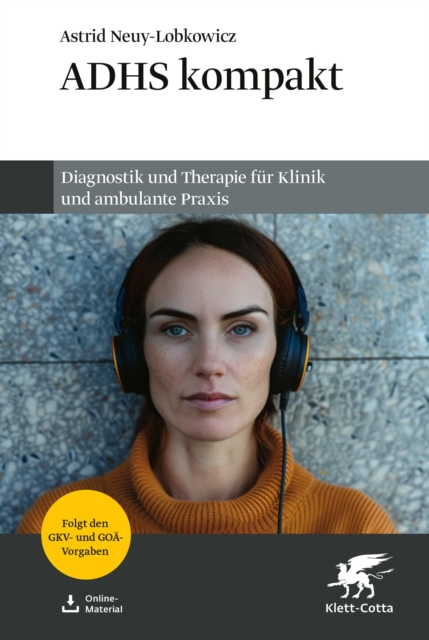
Für eine flächendeckende Behandlung von ADHSAktuelles Thema: ADHS Patient:innen finden keine Behandlungsplätzeauch für kassenärztliche Bedingungen geeignetGegen den Mangel an behandelnden Ärzt:innen und Therapeut:innenFür flächendeckende Behandlung von ADHSÜber 3 Millionen Menschen in Deutschland leiden an ADHS.
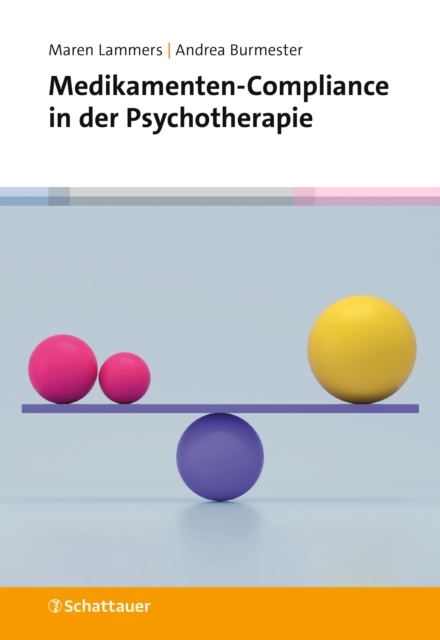
Der Leitfaden zur KombinationstherapiePraxisorientiert: Hilfestellung im psychotherapeutischen Alltag im Umgang mit MedikationÜbersicht: Wichtige psychopharmakologische und somatische Medikamente und LeitlinientherapieChecklisten: Anschreiben fürs ärztliche Konsil u.
In einer Welt, in der Natur immer mehr zum Hintergrundgeräusch wird, eröffnet Die Sprache der Pflanzen einen seltenen Zugang zu einem uralten Wissensschatz.
Traumafolgestörungen sicher behandelnUmfassend und konzis: Wichtigste traumafokussierte Methoden, Neuerungen der ICD-11, interkulturelle Aspekte und DoppeldiagnosenFür Fortbildung und Praxis: Begleitbuch zur Zusatzqualifikation »Spezielle Psychotraumatologie für Erwachsene« (DeGPT)Sie suchen nach einem Leitfaden zur sicheren Traumatherapie?
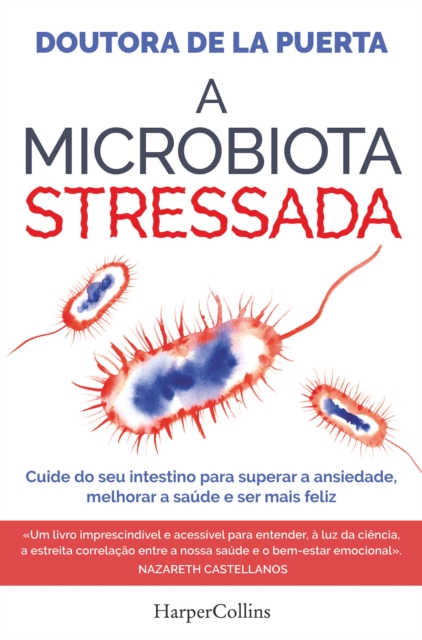
Da autora de Um intestino feliz, o best seller que mudou a vida de milhares de leitoresUma má relação de casal, a morte de um ser querido, situações laborais complicadas, momentos stressantes… Sabia que as preocupações têm um impacto direto na sua microbiota?
Obwohl Besonderheiten der Sprache und Sprachpragmatik bereits bei den Erstbeschreibungen von Autismus als hochcharakteristisch aufgefasst wurden, fanden sie als Bestandteil autistischer Symptomatik erst kürzlich Eingang in die Klassifikationssysteme.
"La redacción de este manual nace de la necesidad expresada por numerosos colegas que recurren a nuestro servicio de diagnóstico veterinario en el campo, así como de los estudiantes a los que he tenido el privilegio de enseñar a lo largo de mi trayectoria como docente e investigador en la Práctica Hospitalaria de Grandes Animales.
Menschen mit pflegerischem Unterstützungsbedarf haben oftmals aufgrund ihrer körperlichen und kognitiven Einschränkungen Schwierigkeiten, die Mundhygiene selbstständig und adäquat durchzuführen.
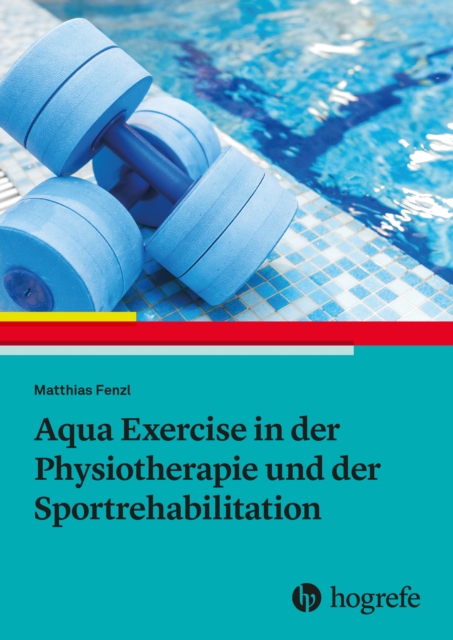
Aqua Exercise – Wissenschaftlich fundiert und praxisnah erklärtDieses Fachbuch begründet den evidenzbasierten gesundheitlichen Mehrwert von Aqua Exercise (AE).
Kopfschmerzen zahlen zu den fuhrenden Leitsymptomen in der Medizin und spielen folglich nicht nur in der Neurologie, sondern auch in zahlreichen anderen klinischen Fachern wie etwa der Allgemeinmedizin, der HNO- und Augenheilkunde sowie der Zahnmedizin eine wichtige Rolle.
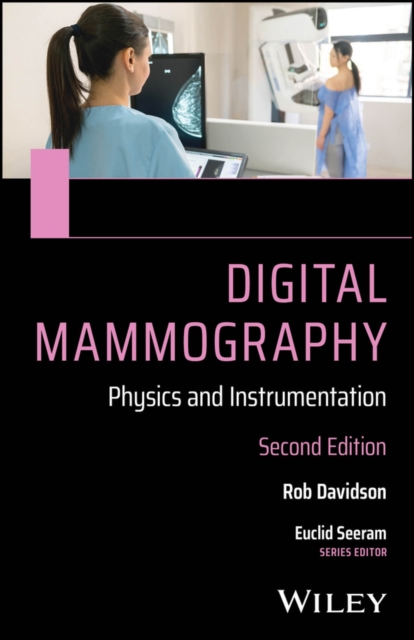
An authoritative and up-to-date discussion of digital mammography fundamentals The newly revised second edition of Digital Mammography: Physics and Instrumentation delivers an expert discussion of all things digital mammography.
Concise guide offering a thorough exploration of the transformative technology of photon counting Rad Tech s Guide to Photon Counting Computed Tomography is a comprehensive resource that enables readers to stay at the forefront of medical imaging with the first FDA-cleared Photon Counting Computed Tomography (PCCT) scanner.
Concise guide offering a thorough exploration of the transformative technology of photon counting Rad Tech s Guide to Photon Counting Computed Tomography is a comprehensive resource that enables readers to stay at the forefront of medical imaging with the first FDA-cleared Photon Counting Computed Tomography (PCCT) scanner.