The Book of Forgiving, written together by the Nobel Peace Laureate Archbishop Desmond Tutu and his daughter Revd Mpho Tutu offers a deeply personal testament and guide to the process of forgiveness.
ENGThe African Novel of Ideas focuses on the role of the philosophical novel and the place of philosophy more broadly in the intellectual life of the African continent, from the early twentieth century to today.
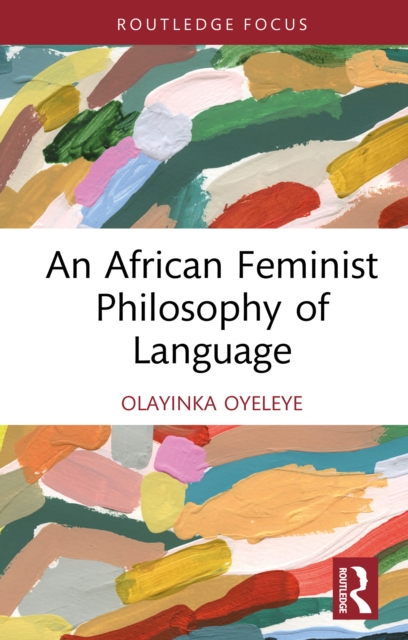
This book calls for the institution of an African feminist philosophy of language, challenging existing debates and encouraging a move away from the Western gaze.
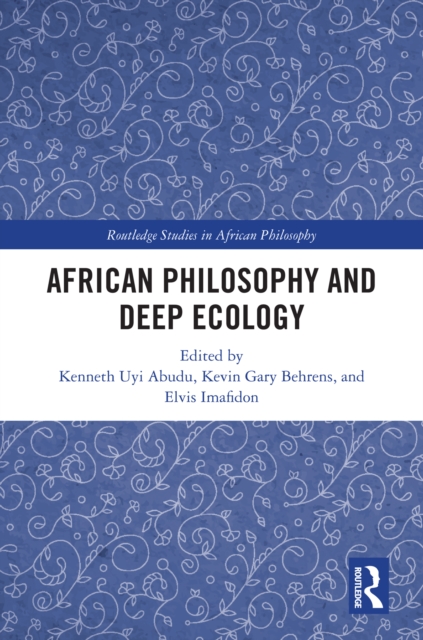
This book investigates African philosophical contributions to the concept of deep ecology, which advocates for rethinking human and non-human relationships within our ecosystems, by promoting the inherent and earned worth of all beings.
This book investigates African philosophical contributions to the concept of deep ecology, which advocates for rethinking human and non-human relationships within our ecosystems, by promoting the inherent and earned worth of all beings.
This book sets up a rich intercultural dialogue between the philosophy of Immanuel Kant and Michel Foucault, and that of key African thinkers such as Kwame Anthony Appiah, Achille Mbembe, Kwasi Wiredu, Kwame Gyekye, Tsenay Serequeberhahn, and Henry Odera Oruka.
This book sets up a rich intercultural dialogue between the philosophy of Immanuel Kant and Michel Foucault, and that of key African thinkers such as Kwame Anthony Appiah, Achille Mbembe, Kwasi Wiredu, Kwame Gyekye, Tsenay Serequeberhahn, and Henry Odera Oruka.
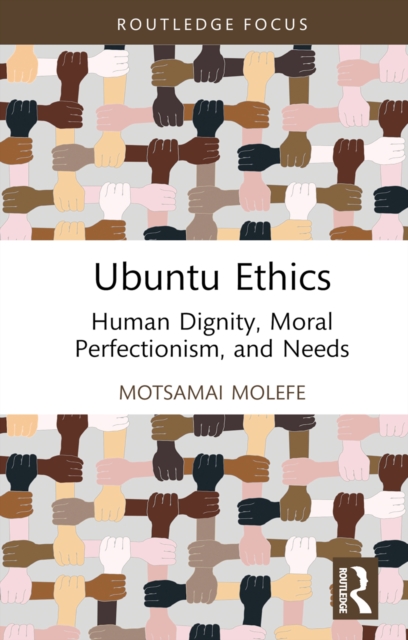
This book investigates the ubuntu theory-based conception of virtue and moral character formation in the northern, western, and eastern regions of Africa, suggesting a critical reconstruction of ubuntu by conceptualising the four different forms of practices in moral character formation.
This book investigates the ubuntu theory-based conception of virtue and moral character formation in the northern, western, and eastern regions of Africa, suggesting a critical reconstruction of ubuntu by conceptualising the four different forms of practices in moral character formation.
This book addresses a recurrent gap in social work literature by examining Ubuntu as an Indigenous African philosophy that informs social work beyond the largely residual and individualistic conceptualisation of social work that currently prevails in many contexts.
This book addresses a recurrent gap in social work literature by examining Ubuntu as an Indigenous African philosophy that informs social work beyond the largely residual and individualistic conceptualisation of social work that currently prevails in many contexts.
Much of the literature on the African philosophy of education juxtaposes two philosophical strands as mutually exclusive entities; traditional ethnophilosophy on the one hand, and 'scientific African philosophy on the other.
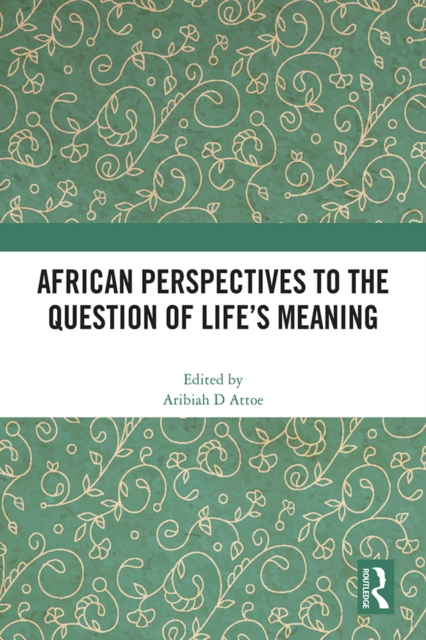
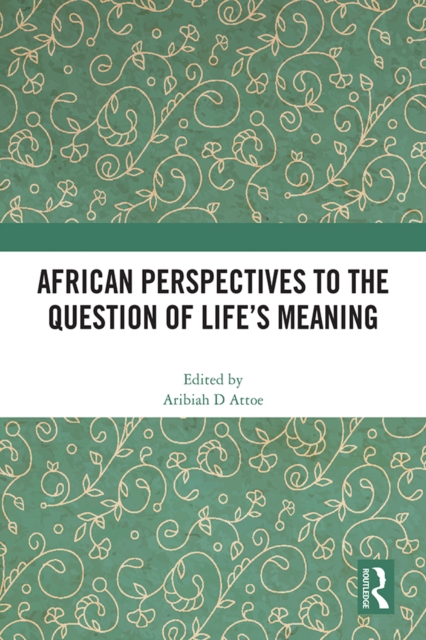
This insightful book is the first edited book volume in the literature to concern itself, primarily, with the question of life's meaning from the, largely under-explored, African perspective.
This insightful book is the first edited book volume in the literature to concern itself, primarily, with the question of life's meaning from the, largely under-explored, African perspective.
This book brings together a discussion of educational philosophy, nihilism and humanity to rethink education in times of crisis, with a particular focus on teaching and learning in universities.
This book brings together a discussion of educational philosophy, nihilism and humanity to rethink education in times of crisis, with a particular focus on teaching and learning in universities.
Le Projet Colibri : Créer à partir de "rien" vient de la légende Amérindienne du colibri qui a inspiré Wangari Maathai, première femme africaine à recevoir le prix Nobel de la paix.
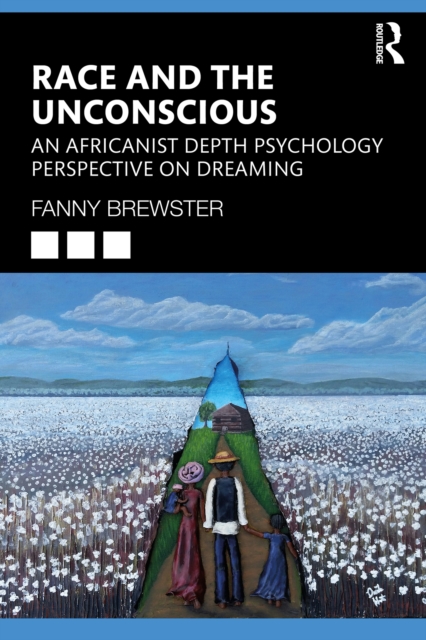
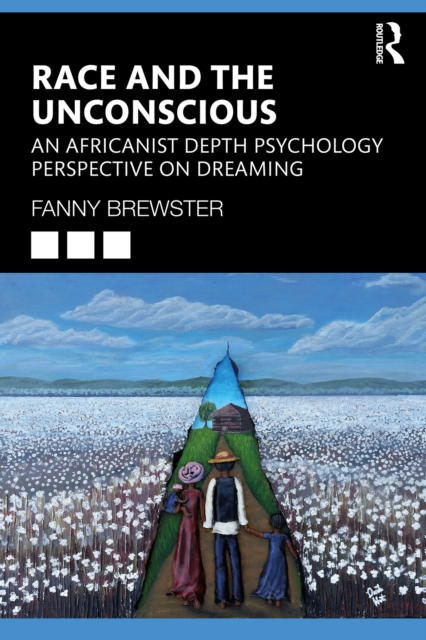
Race and the Unconscious engages the archetypal African consciousness that enriches our knowledge regarding the foundational mythopoetic of Africanist dreaming.
Race and the Unconscious engages the archetypal African consciousness that enriches our knowledge regarding the foundational mythopoetic of Africanist dreaming.