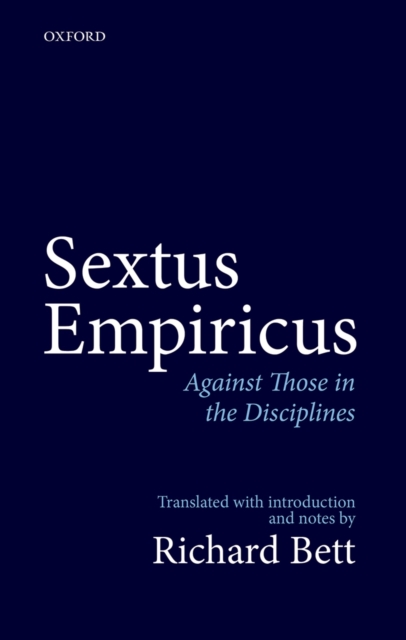
Against Those in the Disciplines (Pros Mathematikous, also known by the abbreviated title M 1-6) deals with six specialized fields of study: grammar, rhetoric, geometry, arithmetic, astrology, and music.
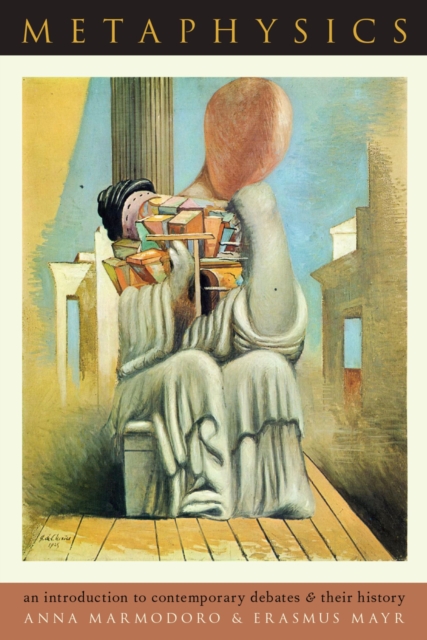
This volume introduces readers to a selected number of core issues in metaphysics that have been central in the history of philosophy and remain foundational to contemporary debates, that is: substances; properties; modality and essence; causality; determinism and free will.
This volume introduces readers to a selected number of core issues in metaphysics that have been central in the history of philosophy and remain foundational to contemporary debates, that is: substances; properties; modality and essence; causality; determinism and free will.
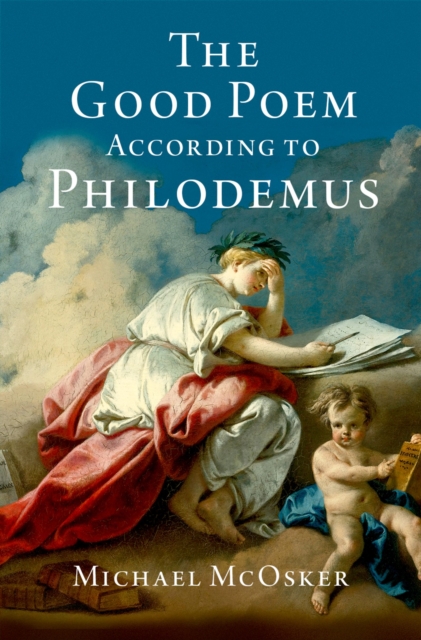
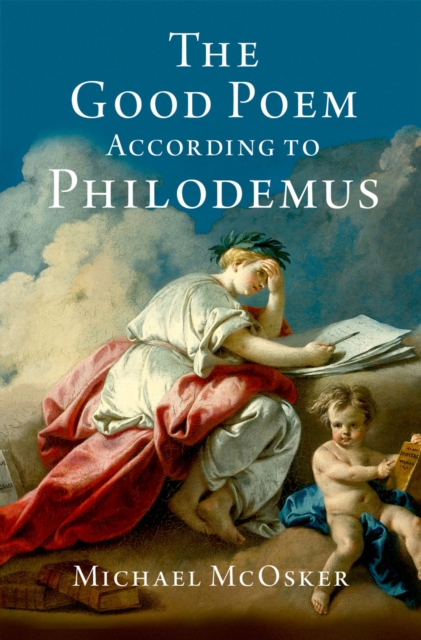
This book elucidates the poetics of Philodemus of Gadara, a first century BCE Epicurean philosopher and poet, whose On Poems survives in extensive fragments among the Herculaneum papyri.
This book elucidates the poetics of Philodemus of Gadara, a first century BCE Epicurean philosopher and poet, whose On Poems survives in extensive fragments among the Herculaneum papyri.
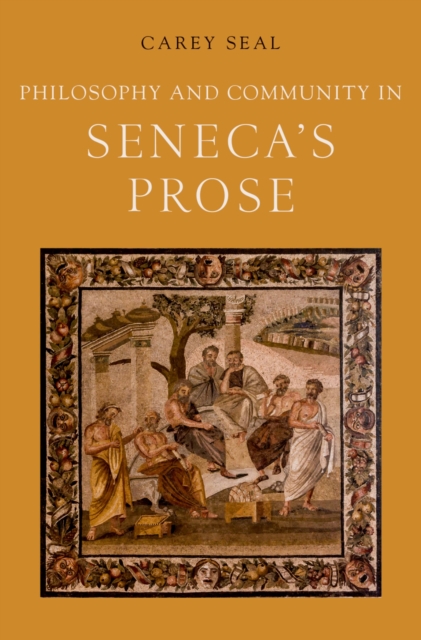
The Roman philosopher Seneca addressed himself to the question of how we ought to live in letters and treatises that have engaged the attention of readers from his own day to the present.
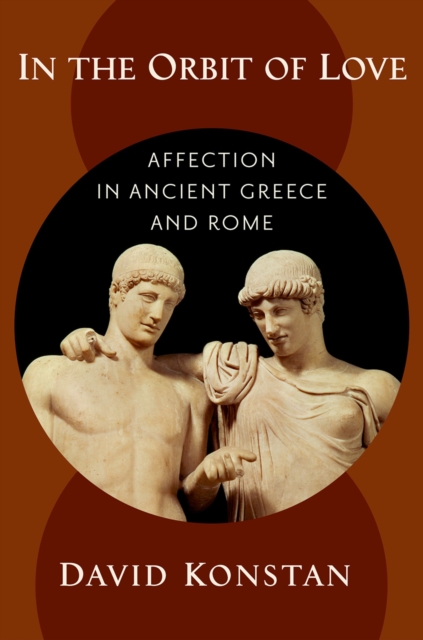
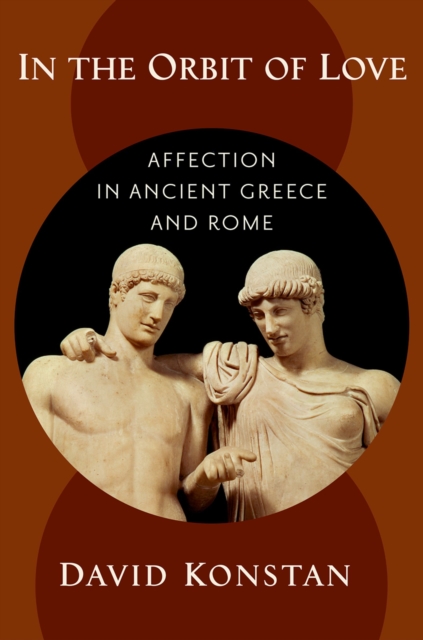
This book is about love in the classical world - not erotic passion but the kind of love that binds together intimate members of a family and very close friends, but which may also be extended to include a wider range of individuals for whom we care deeply.
This book is about love in the classical world - not erotic passion but the kind of love that binds together intimate members of a family and very close friends, but which may also be extended to include a wider range of individuals for whom we care deeply.
Focusing on the period known as the Second Sophistic (an era roughly co-extensive with the second century AD), this Handbook serves the need for a broad and accessible overview.
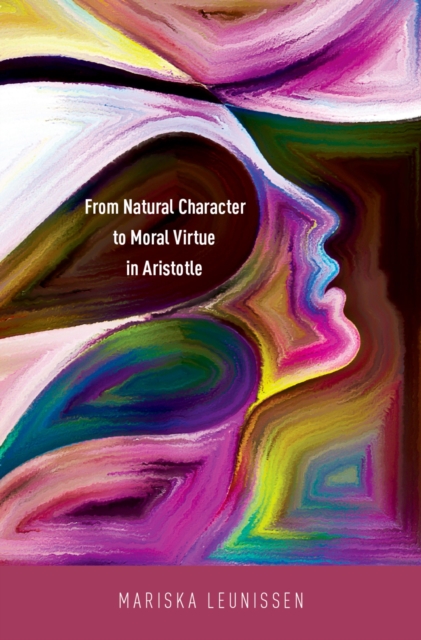
From Natural Character to Moral Virtue in Aristotle discusses Aristotle's biological views about character and the importance of what he calls 'natural character traits' for the development of moral virtue as presented in his ethical treatises.
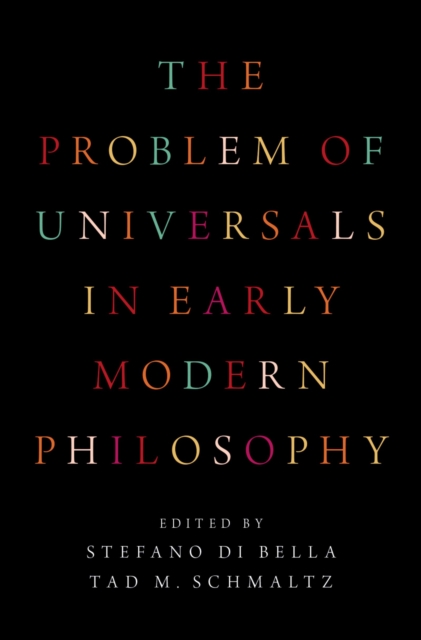
The ancient topic of universals was central to scholastic philosophy, which raised the question of whether universals exist as Platonic forms, as instantiated Aristotelian forms, as concepts abstracted from singular things, or as words that have universal signification.
Anaxagoras of Clazomenae (Vth century BCE) is best known in the history of philosophy for his stance that there is a share of everything in everything.
In her essay collection First, Second, and Other Selves: Essays on Friendship and Personal Identity, well-known scholar of ancient philosophy Jennifer Whiting gathers her previously published essays taking Aristotle's theories on friendship as a springboard to engage with contemporary philosophical work on personal identity and moral psychology.
Anaxagoras of Clazomenae (Vth century BCE) is best known in the history of philosophy for his stance that there is a share of everything in everything.
The ancient topic of universals was central to scholastic philosophy, which raised the question of whether universals exist as Platonic forms, as instantiated Aristotelian forms, as concepts abstracted from singular things, or as words that have universal signification.
From Natural Character to Moral Virtue in Aristotle discusses Aristotle's biological views about character and the importance of what he calls 'natural character traits' for the development of moral virtue as presented in his ethical treatises.