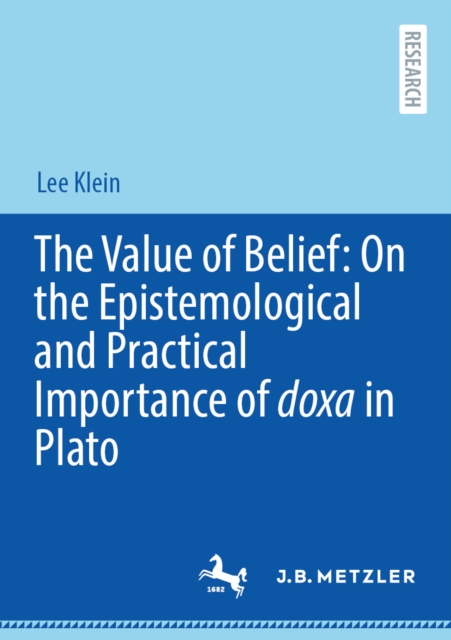
As the first monograph to specifically focus on the positive evaluation of belief (doxa) as a crucial concept in Plato’s epistemology, this work contributes significantly to scholarly research by offering a fresh perspective that deepens our understanding of Plato’s theory of knowledge.
As the first monograph to specifically focus on the positive evaluation of belief (doxa) as a crucial concept in Plato’s epistemology, this work contributes significantly to scholarly research by offering a fresh perspective that deepens our understanding of Plato’s theory of knowledge.
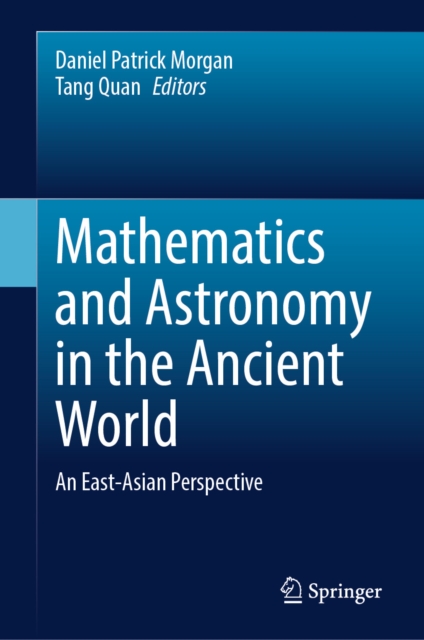
This book contains an edited selection of the papers presented at the Second International Conference on the History of Ancient Mathematics and Astronomy (ICHAMA), organized by Tang Quan and Qu Anjing and held in Xi'an, 2-8 December 2018, commemorating the foundation.
This book contains an edited selection of the papers presented at the Second International Conference on the History of Ancient Mathematics and Astronomy (ICHAMA), organized by Tang Quan and Qu Anjing and held in Xi'an, 2-8 December 2018, commemorating the foundation.
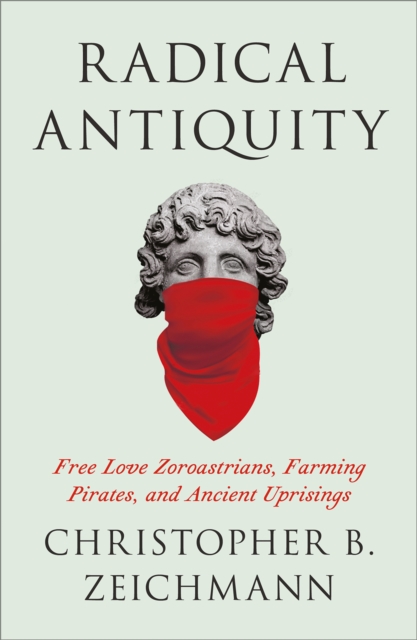
Unearthing the ancient worlds anarchist cultures, Zeichmann presents a compelling argument that authority may itself have always been the real aberration.
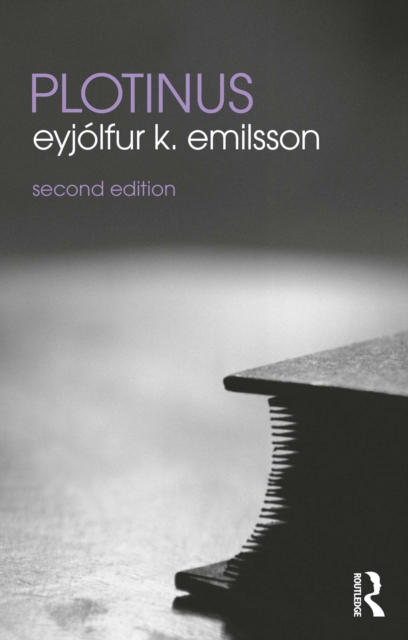
Plotinus (AD 205-270) was the founder of Neoplatonism, whose thought has had a profound influence on medieval philosophy and on Western philosophy more broadly.
Plotinus (AD 205-270) was the founder of Neoplatonism, whose thought has had a profound influence on medieval philosophy and on Western philosophy more broadly.
The Roman philosopher Seneca addressed himself to the question of how we ought to live in letters and treatises that have engaged the attention of readers from his own day to the present.
This book presents a collection of essays by prominent young researchers and established scholars on the medieval reception of Aristotle’s Topics in the Latin, Arabic and Hebraic traditions, as well as on its late-ancient sources in Alexander of Aphrodisias and Boethius.
This book presents a collection of essays by prominent young researchers and established scholars on the medieval reception of Aristotle’s Topics in the Latin, Arabic and Hebraic traditions, as well as on its late-ancient sources in Alexander of Aphrodisias and Boethius.