The decline of the Roman Empire gave rise to two problems, which combined to form one of the most perplexing philosophical questions of late antiquity.
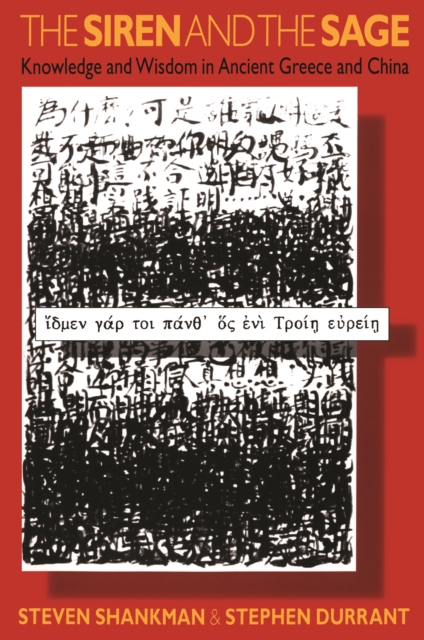
A comparative study of what the most influential writers of Ancient Greece and China thought it meant to have knowledge and whether they distinguished knowledge from other forms of wisdom.
One difficulty with interpreting Plato is that his philosophical views are hidden within his dialogues and articulated through his dramatic characters.
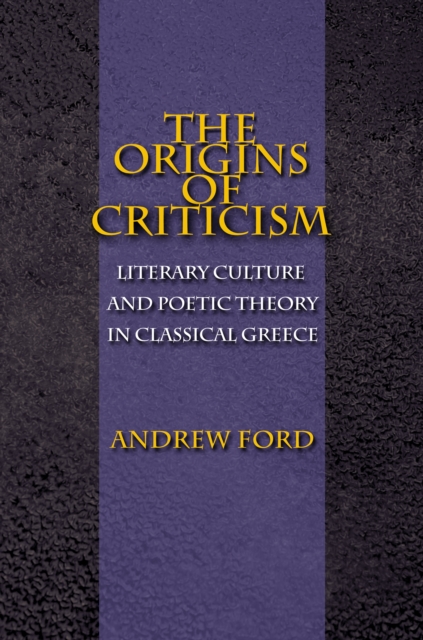
By "e;literary criticism"e; we usually mean a self-conscious act involving the technical and aesthetic appraisal, by individuals, of autonomous works of art.
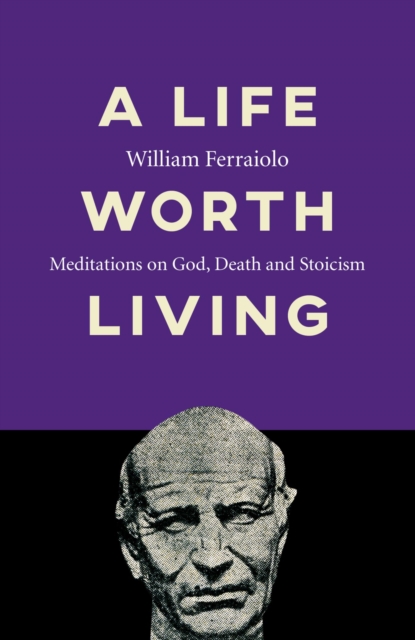
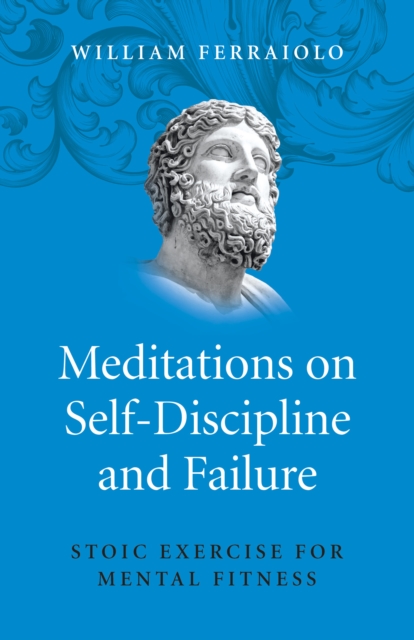
Stoicism offers rationally grounded, proven psychological techniques for the gradual development of consistent self-mastery, and emotional detachment from those elements of the human condition that tend to cause the most pervasive and unsettling forms of fear, anxiety, and avoidable disquiet.
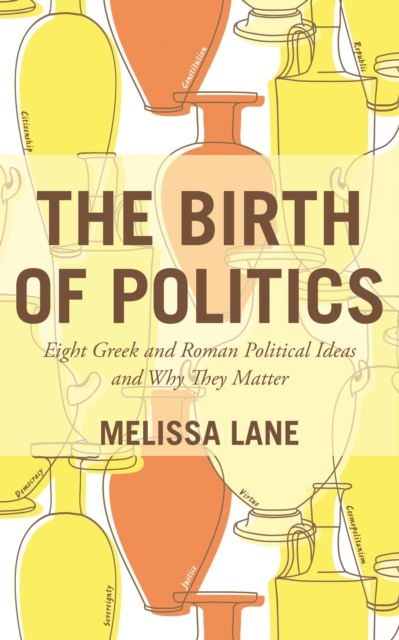
A lively and accessible introduction to the Greek and Roman origins of our political ideasIn The Birth of Politics, Melissa Lane introduces the reader to the foundations of Western political thought, from the Greeks, who invented democracy, to the Romans, who created a republic and then transformed it into an empire.
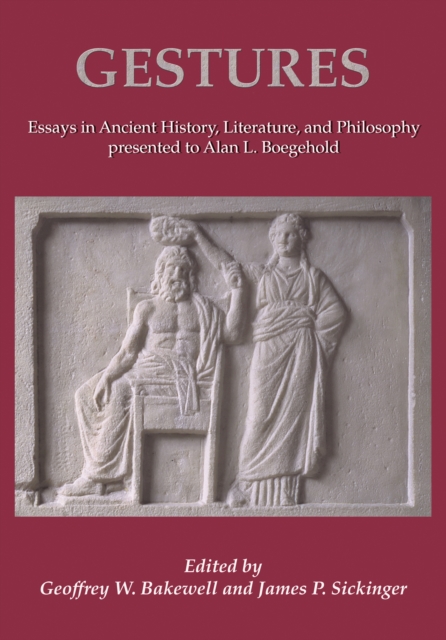
These thirty essays were presented to Alan L Boegehold, a distinguished philologist and an inspirational teacher, on the occasion of his retirement and his seventy-fifth birthday.
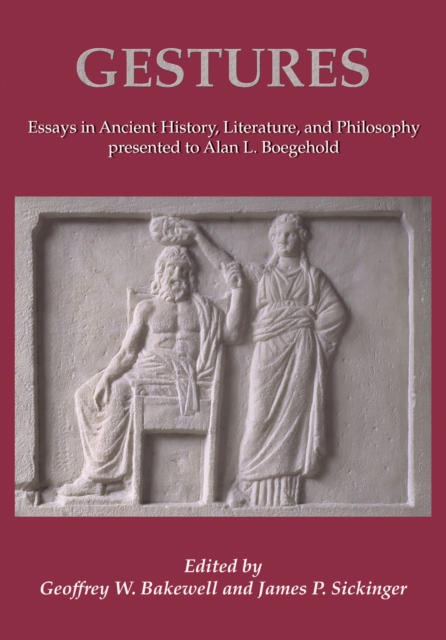
These thirty essays were presented to Alan L Boegehold, a distinguished philologist and an inspirational teacher, on the occasion of his retirement and his seventy-fifth birthday.
Nicole Oresme's translation of Aristotle's Nicomachean Ethics, Politics, and Economics into French from Latin in the 1370s is the subject of Claire Sherman's stunningly illustrated book.
Cultivate willpower, self-respect and focus in an age of distraction: book 2 in the New York Times-bestselling Stoic Virtues series 'Ryan Holiday is among the most psychologically wise writers I know' ANGELA DUCKWORTH, bestselling author of GritTo master anything, we must first master ourselves: our emotions, thoughts and actions.
Discover the power, confidence and purposethat come with courage: book 1 in the New York Times-bestselling Stoic Virtues series 'An urgent call to arms for each and all of us' Matthew McConaughey Courage is a powerful force that enables us to overcome obstacles, fight for what's right, serve others, drive change - and, ultimately, become who we were truly meant to be.
Seit ihren Anfängen in der Vorsokratik wurden in der griechischen Philosophie Reflexionen über das Träumen sowie zu den spirituellen und natürlichen – den physikalischen, physiologischen und psychologischen – Entstehungsursachen angestellt, die sich etwa auch in der Verwendung des Traumes als Metapher niederschlugen.
Book 2 of the Physics is arguably the best introduction to Aristotle's ideas, as well as being the most interesting and representative book in the whole of his corpus.
This volume completes the translation in this series of Quaestiones attributed to Alexander of Aphrodisias, the leading ancient commentator on Aristotle.
The Quaestiones attributed to Alexander of Aphrodisias, the leading ancient commentator on Aristotle, are concerned with physics and metaphysics, psychology and divine providence.
In Metaphysics 4 Aristotle discusses the nature of metaphysics, the basic laws of logic, the falsity of subjectivism and the different types of ambiguity.
In his commentary on a portion of Aristotle's de Anima (On the Soul) known as de Intellectu (On the Intellect), Philoponus drew on both Christian and Neoplatonic traditions as he reinterpreted Aristotle's views on such key questions as the immortality of the soul, the role of images in thought, the character of sense perception and the presence within the soul of universals.
There has recently been considerable renewed interest in Book 7 of the Physics of Aristotle, once regarded as merely an undeveloped forerunner to Book 8.
In the Corollaries on Place and Void, Philoponus attacks Aristotle's conception of place as two-dimensional, adopting instead the view more familiar to us that it is three-dimensional, inert and conceivable as void.