Dealing with themes of urban planning, constitutionalism, utopianism and social construction theory, this book analyzes the city of Magnesia, Plato's second-best city-state in the Laws, as if it were an actual ancient city-state.
Early Greek Thought calls into question a longstanding mythology - operative in both the Analytic and Continental traditions - that the 'Pre-Socratics had the grandiose audacity to break with all traditional forms of knowledge' (Badiou).
It is widely agreed that Plato laid the foundations for the whole history of western thought and, well over 2000 years later, his work is still studied by every student of philosophy.
Augustine and Roman Virtue seeks to correct what the author sees as a fundamental misapprehension in medieval thought, a misapprehension that fuels further problems and misunderstandings in the historiography of philosophy.
Although the Greeks were responsible for the first systematic philosophy of which we have any record, they were not alone in the Mediterranean world and were happy to draw inspiration from other traditions; traditions that are now largely neglected by philosophers and scholars.
Aristotle is one of the most crucial figures in the history of Western thought, and his name and ideas continue to be invoked in a wide range of contemporary philosophical discussions.
Although the Greeks were responsible for the first systematic philosophy of which we have any record, they were not alone in the Mediterranean world and were happy to draw inspiration from other traditions; traditions that are now largely neglected by philosophers and scholars.
Dealing with themes of urban planning, constitutionalism, utopianism and social construction theory, this book analyzes the city of Magnesia, Plato's second-best city-state in the Laws, as if it were an actual ancient city-state.
Aristotle maintains that biological organisms are compounds of matter and form and that compounds that have the same form are individuated by their matter.
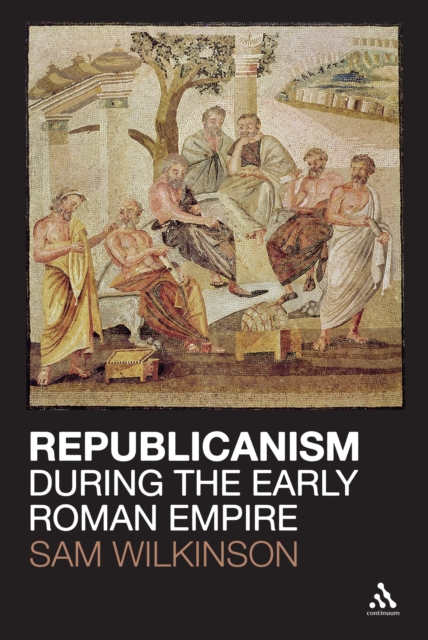
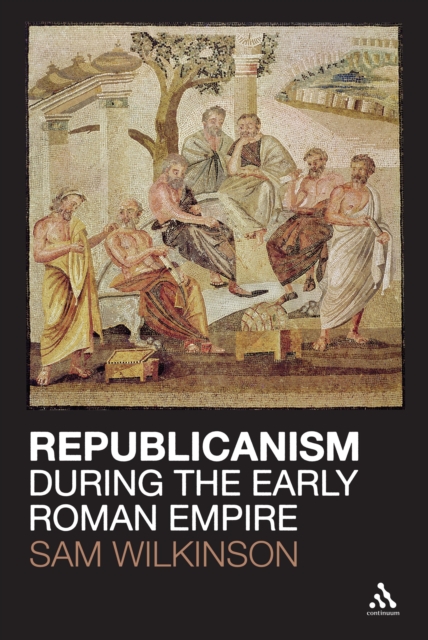
Exploring the political ideology of Republicanism under the Roman emperors of the first century AD, Sam Wilkinson puts forward the hypothesis that there was indeed opposition to the political structure and ideology of the rulers on the grounds of Republicanism.
Much has been written about Heidegger's reappropriation of Aristotle, but little has been said about the philosophical import and theoretical context of this element of Heidegger's work.
In a new interpretation of Parmenides' philosophical poem On Nature, Vishwa Adluri considers Parmenides as a thinker of mortal singularity, a thinker who is concerned with the fate of irreducibly unique individuals.
Plato was the first and most formidable thinker to recognise that education is a fiercely contested concept, and to point out what great social and personal issues are at stake in education.
The mythical narrative of transmigration tells the story of myriad wandering souls, each migrating from body to body along a path of recurrence amid the becoming of the All.
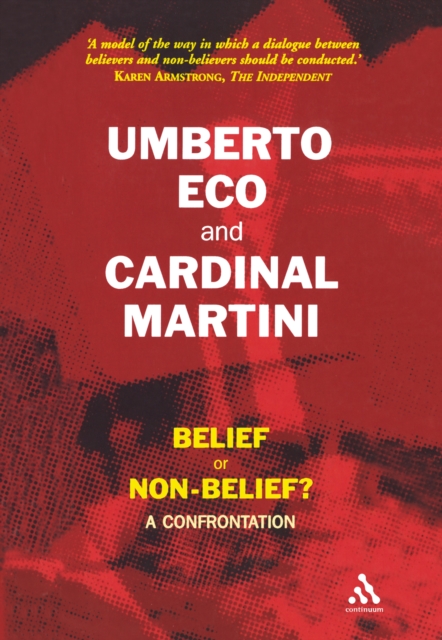
In this stimulating dialogue these two great men, who stand on opposite sides of the church door, discuss some of the most controversial issues of the day.
Like its ancient rivals, Stoic ethics was a form of virtue ethics, yet while the concept of virtue was clearly central to Stoic ethics, the concept of Stoic virtue has not yet been fully explored.
Parmenides and To Eon offers a new historical and philosophical reading of Parmenides of Elea by exploring the significance and dynamics of the oral tradition of ancient Greece.
Like its ancient rivals, Stoic ethics was a form of virtue ethics, yet while the concept of virtue was clearly central to Stoic ethics, the concept of Stoic virtue has not yet been fully explored.
Hans-Georg Gadamer is considered to have made the most important contribution to hermeneutics of this century through his major work, Truth and Method.
Plato was the first and most formidable thinker to recognise that education is a fiercely contested concept, and to point out what great social and personal issues are at stake in education.
One of the most celebrated of Plato's ideas was that if human society was ever to function successfully then philosophers would need to become kings, or kings philosophers.
Heidegger's Platonism challenges Heidegger's 1940 interpretation of Plato as the philosopher who initiated the West's ontological decline into contemporary nihilism.
Aristotle's Nicomachean Ethics, based on lectures that he gave in Athens in the fourth century BCE, is one of the most significant works of moral philosophy ever written.
Exploring the political ideology of Republicanism under the Roman emperors of the first century AD, Sam Wilkinson puts forward the hypothesis that there was indeed opposition to the political structure and ideology of the rulers on the grounds of Republicanism.
Aristotle and Natural Law lays out a new theoretical approach which distinguishes between the notions of 'interpretation,' 'appropriation,' 'negotiation' and 'reconstruction' of the meaning of texts and their component concepts.
It is widely agreed that Plato laid the foundations for the whole history of western thought and, well over 2000 years later, his work is still studied by every student of philosophy.
The mythical narrative of transmigration tells the story of myriad wandering souls, each migrating from body to body along a path of recurrence amid the becoming of the All.
Aristotle maintains that biological organisms are compounds of matter and form and that compounds that have the same form are individuated by their matter.